Personalization and CAD updates drive buying at JCK, Luxury shows
Personalization moved from a nicety to a buying filter at JCK and Luxury, where CAD updates, flexible production, and lower minimums pointed to faster custom jewelry.

Personalization becomes the retail standard
At JCK and Luxury in Las Vegas, the sharpest buying conversations centered on a simple idea: shoppers no longer want jewelry that only looks special, they want pieces that feel built for them. Retailers were drawn to customization, personalization, and the technology that makes both possible, with CAD updates and flexible production taking on as much importance as stone size or design language.
That shift matters because it changes what lands in cases next. Instead of custom work sitting at the edge of the assortment, the shows made it clear that shorter turnaround times, more modular designs, and easier entry points are becoming core selling tools. The result is a market where personalization is no longer a request that slows a sale, but a format that can move it forward.
The show floor rewarded speed, flexibility, and better bridal tools
The 2026 JCK show returned to The Venetian Expo from May 29 to June 1, while Luxury opened first with invitation-only days on May 27 and 28 before opening to JCK attendees on May 29. Together, the shows drew 17,500 attendees, a turnout that reflects how seriously retailers are taking the category shifts now reshaping jewelry buying.
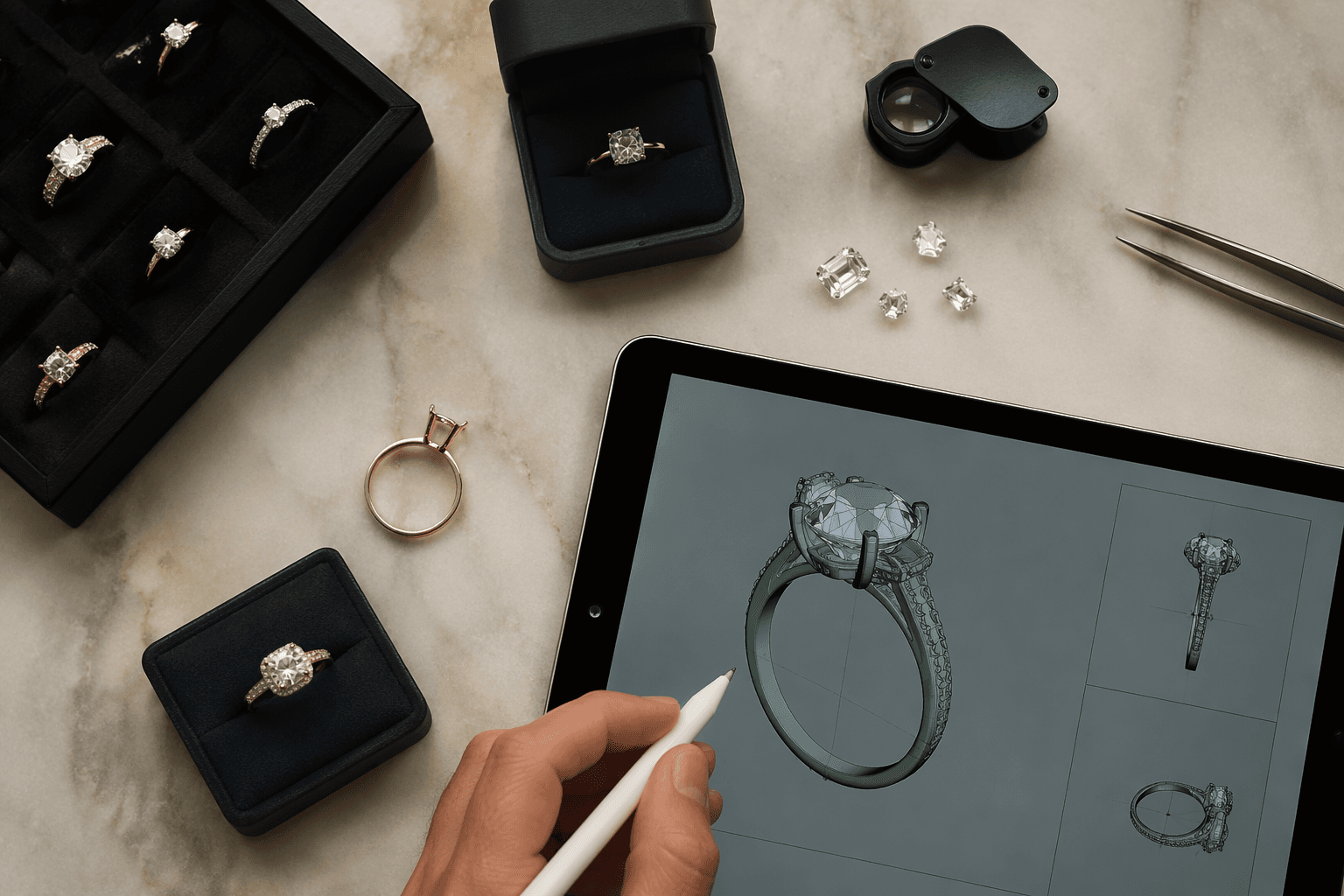
Jana Bowden of Beard Fine Jewelers in Lufkin, Texas, came to the show looking for the latest CAD and technology updates, including what exhibitors such as Gabriel & Co. were offering to strengthen bridal sales. Her goal was practical and immediate: improve the store’s bridal experience and make engagement rings and wedding sets easier to customize. That kind of buying intention signals where the market is headed. Retailers are not just looking for prettier mountings; they are looking for tools that let them adapt a ring quickly, revise a design cleanly, and offer a shopper something that feels one-of-one without making the process feel cumbersome.
For consumers, that should translate into a more nimble custom pipeline. Expect more stores to talk about design revisions in the language of service, not delay, and to use digital mockups and CAD changes as part of the selling experience rather than a back-end technical step.
What shoppers are asking for: bigger stones, easier wear, more self-expression
The demand patterns emerging from the show floor were unmistakable. Retailers said they were seeing interest in lab-grown diamond studs, engagement-ring centers of 2 carats and up, and bracelets that flex or stretch for easier everyday wear. That mix says a lot about how younger buyers shop: they are seeing larger stones on social media, but they also want jewelry that fits real life, not just an occasion.
Gen Z and millennial shoppers are pushing the category toward pieces that can be worn often and adjusted to personal taste. A stretch bracelet or a flexible bracelet can feel less precious in the old-fashioned sense, but more relevant in the modern one, especially when comfort and layering matter as much as formality. The same is true of lab-grown studs and bigger center stones. The appeal is not only price, though accessibility matters; it is also visual impact, the ability to make a statement, and the sense that the piece reflects a personal style rather than a rigid tradition.
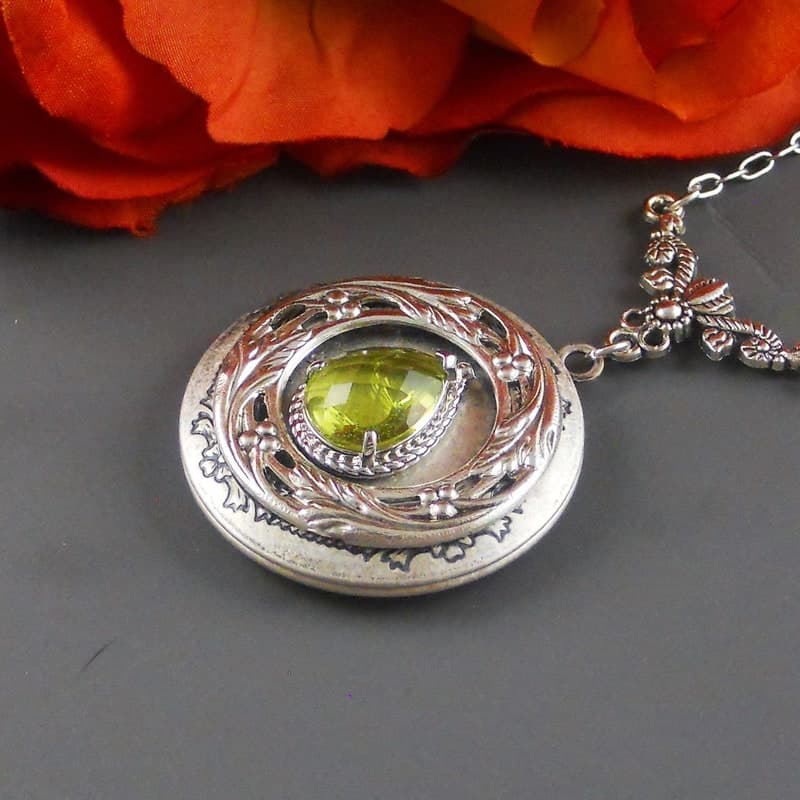
That helps explain why personalization is showing up across so many formats: nameplates, monograms, birthstones, amulets, charm bars, and customized bridal sets all speak the same language. Each one gives a shopper a way to edit the jewelry into something recognizable as their own.
Luxury’s personal model now looks more relevant than ever
Luxury framed its business around a principle that suddenly feels especially current: the real business of luxury jewelry is built on a personal experience and a personal connection. That outlook has always been part of the category’s appeal, but at this show it felt less like branding and more like a market mandate.
As gold prices stay high and consumer preferences continue to shift around diamonds, color, and versatility, personalization becomes a way to justify a purchase and make it feel distinct. A customer who might hesitate at a plain, conventional design can be pulled toward a piece that carries a birthstone, a meaningful engraving, or a custom proportion that changes the whole silhouette. In that sense, personalization is not just aesthetic. It is a response to the economics and emotions shaping the jewelry counter right now.
JCK Talks echoed the same message in its 2026 programming, emphasizing that Gen Z consumers are changing expectations around shopping, service, and brand connection. That matters because the next generation is not simply buying different styles. It is also asking for a different kind of relationship with the retailer, one that feels informed, responsive, and collaborative.
What will show up in stores next
The strongest takeaway from JCK and Luxury is not that personalization is trending. It is that personalization is becoming the framework through which many jewelry sales will be made. Retailers are chasing better CAD systems because they want faster revisions. They are watching flexible production because they want lower barriers to custom work. They are leaning into larger stones, lab-grown options, and adaptable formats because shoppers want visible individuality without sacrificing wearability.
For consumers, that means the cases ahead should feel more open-ended. Bridal rings may come with more ways to alter a setting, stud earrings may be offered with more stone-size choices, and bracelets may be designed with movement and comfort built in from the start. The category is moving toward jewelry that can be tuned, not merely chosen, and the buyers in Las Vegas made clear they intend to meet that demand head-on.
This article was produced by Prism’s automated news system from verified source data, official records, and press releases, then run through automated quality and moderation checks before publishing. The system is built and supervised by the people who set the standards it runs under. Read our full AI policy.
Did this article answer your question?