Personalized Jewelry Demand Reshapes Retail Strategies for Modern Consumers
Personalized jewelry has moved from niche request to retail cornerstone, as Millennials and Gen Z redefine value through meaning over price.
Something fundamental has shifted in the jewelry case. Where a customer once pointed to a tray and said "that one," they now arrive with a story they want translated into metal and stone. The surge in demand for personalized and customized jewelry is not a seasonal trend or a marketing gimmick; it is a recalibration of what jewelry is for, and it is forcing every level of the industry to respond.
From Status Symbol to Wearable Narrative
The clearest way to understand this shift is through what it moved away from. For generations, fine jewelry signaled arrival: the right name on the clasp, the right number of carats in the setting. Ownership was the point. That logic is losing ground. As Endearhq frames it, the industry is witnessing "a move away from passive ownership of status symbols and a move toward active storytelling through wearable art." The piece you wear is no longer a signal sent to others; it is a record of your own life, worn against the skin.
This reframing has particular resonance for younger buyers. Sarine.com puts it precisely: "For Millennials and Gen Z, the value of a purchase lies in its meaning and authenticity to self, not in the dollar value." That is not anti-luxury sentiment. It is a different hierarchy of value, one where a birthstone chosen to represent a child, or a charm combination assembled over years, carries more weight than a piece selected for its price point alone. Retailers who have grasped this distinction are building their businesses around it. Those who have not are watching their floor traffic thin.
What Personalization Actually Looks Like
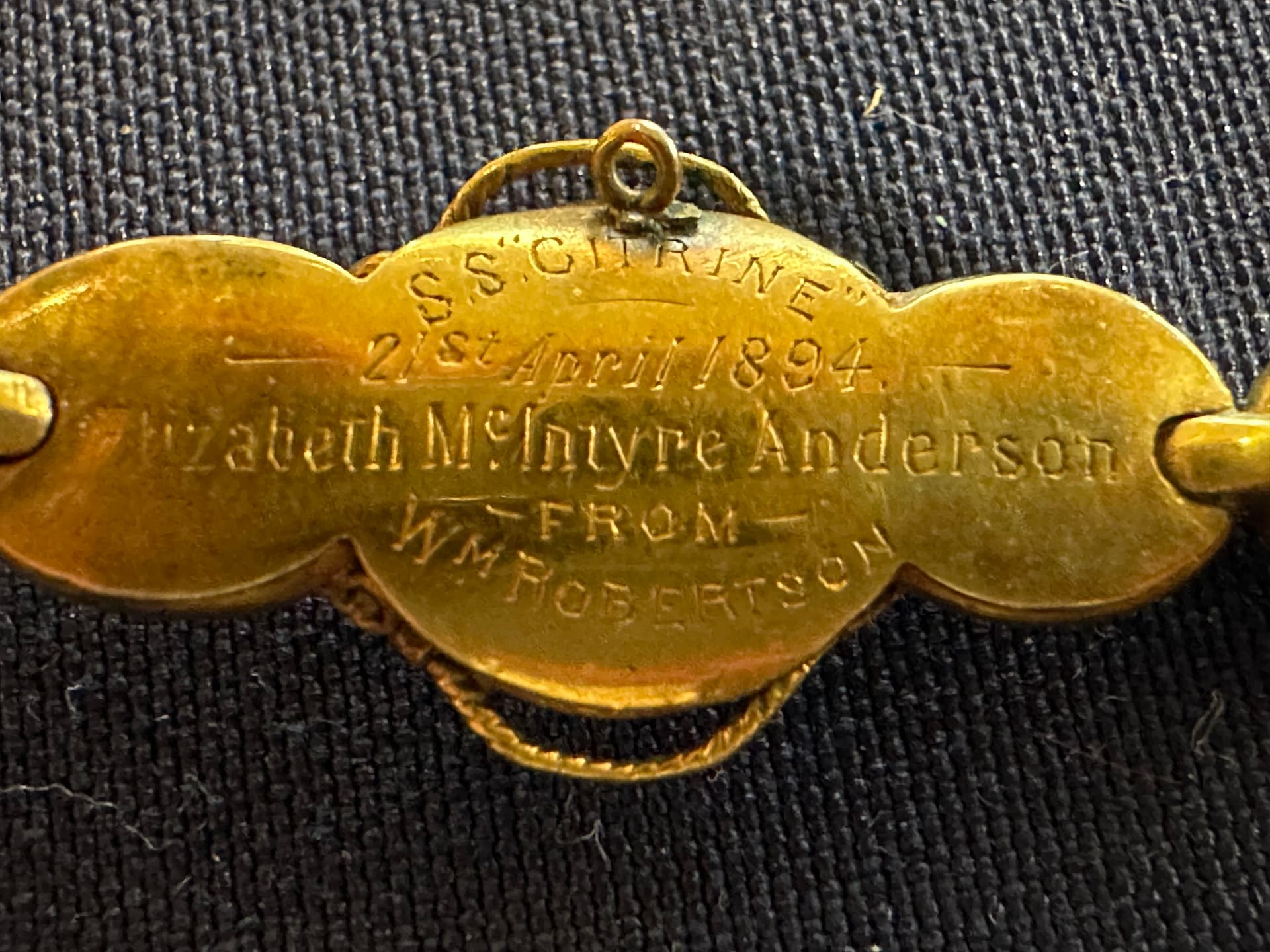
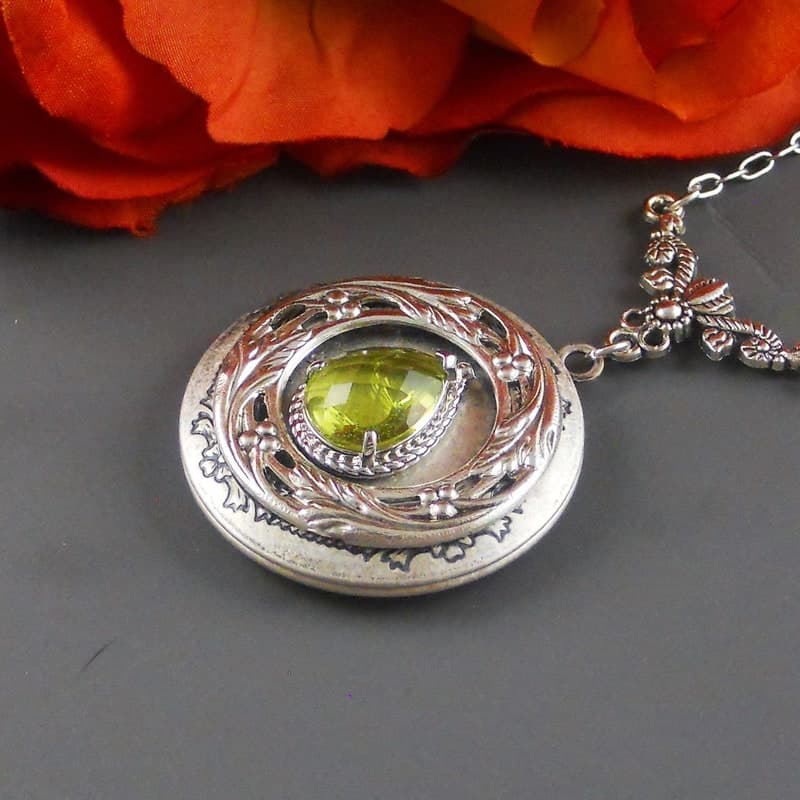
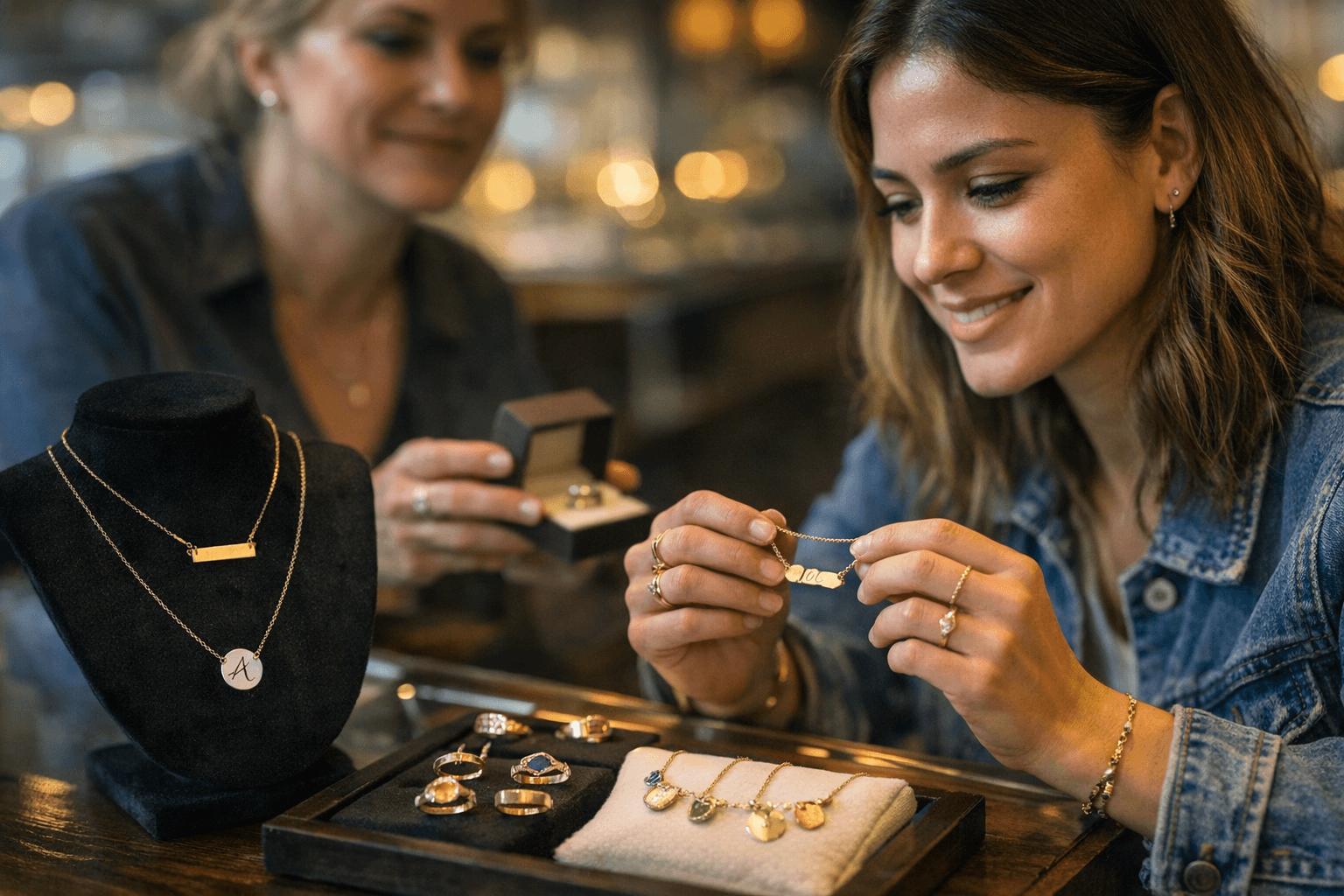
It is worth being specific, because the word "personalization" has been stretched thin by marketing departments. In jewelry, the meaningful version of this trend extends well beyond a stamped initial on a pendant, though that remains a starting point for many buyers. Today's requests are more layered: unique charm combinations that build into a visual autobiography; birthstones selected not for the wearer but for the children, parents, or partners they represent; and fully custom designs that ask a craftsperson to translate a memory or a relationship into a wearable object.
Each of these represents a different level of creative and technical engagement from the jeweler. A charm bracelet curated over time requires a retailer to think about modularity, about pieces that speak to one another across purchases and across years. A custom design requires a conversation, a design process, and genuine gemological knowledge: which stone holds up to daily wear, which setting best protects a softer gem, how a rose gold mounting will age against a pale sapphire. The jeweler becomes something closer to a collaborator than a salesperson.
The Technology Enabling Hyper-Personalization
What is changing the practical ceiling of personalization is technology, specifically AI and 3D printing, which together are unlocking possibilities that handcraft alone could not scale. AI can analyze emerging design trends and consumer preference patterns to help designers develop more relevant pieces, reducing the gap between what customers imagine and what appears in the showcase. This is not a replacement for creative instinct; it is a sharper set of inputs for the designer's eye.
3D printing goes further, allowing for the creation of intricate, hyper-personalized jewelry that is completely unique to an individual shopper. A customer's sketch, a motif drawn from family history, an organic shape that no casting mold could reproduce economically: all of these become achievable. The technology also compresses the timeline between concept and wearable object, which matters for a buyer who is emotionally invested in the outcome and impatient with abstraction. The combination of AI-assisted design and 3D-printed prototyping is not merely an operational upgrade; it is a new creative language between jeweler and client.
How Retail Strategy Is Responding
The product is only one part of the equation. Forward-thinking brands are also transforming their marketing and their customer experiences to match the shift in consumer intent. When a buyer comes to the counter with a story, the sales environment needs to support a conversation, not a transaction. This means longer dwell times, trained staff who can ask the right questions, and digital tools that make the customization process visible and legible to someone who cannot yet imagine what they want.
Personalization, as Endearhq observes, answers the core question of what makes a jewelry brand inclusive and approachable. A purely curated showcase can feel exclusionary; a customize-it-with-us model extends an invitation. This is particularly significant for brands attempting to broaden their reach across demographics without diluting their positioning. The bespoke impulse has always existed at the highest tier of fine jewelry; what personalization culture has done is bring that impulse into the mid-market and make it an expectation rather than a luxury.
What This Means for the Industry's Future
The momentum behind personalized jewelry is not a passing cycle. It is rooted in a generational reorientation toward authenticity, meaning, and individual expression that predates jewelry and extends across every category of consumer goods. In jewelry, the stakes are higher because the category already carries emotional weight: engagements, inheritances, commemorations. Personalization amplifies that weight deliberately.
The brands positioned to lead the next decade are those that understand they are not moving inventory. They are, as the analysis from Endearhq puts it, "helping customers celebrate their lives and tell their unique stories." That is a very different brief, and it requires a very different operation: craftspeople who can listen as well as execute, designers who think narratively, and retail environments that feel less like showrooms and more like studios.
The jeweler's art has always been, at its best, the art of making the abstract permanent. Personalization does not change that. It simply insists that the story being made permanent is yours.
This article was produced by Prism’s automated news system from verified source data, official records, and press releases, then run through automated quality and moderation checks before publishing. The system is built and supervised by the people who set the standards it runs under. Read our full AI policy.
Did this article answer your question?