Personalized jewelry gains as fine-jewelry spending splits at both ends
Personalization is splitting fine jewelry into two lanes: heirloom-grade pieces at the top, and low-cost self-expression at the bottom. The middle is softer, and brands are adjusting fast.

Personalization has become fine jewelry’s most revealing language. In a market now pulled toward both the luxury summit and the value floor, buyers are still spending, but they want the piece to carry weight, whether that weight is carat, craftsmanship, or a story they can wear every day.
A market pulled to opposite ends
The clearest shift in the category is the widening gap between what affluent clients want and what value-focused shoppers will still buy. At Couture in Las Vegas, retailers described a K-shaped consumer: demand remained strong at the highest and lowest ends of the market, while the middle softened. Alysa Teichman, co-owner of Ylang 23, said she “definitely felt the effects of the K-shaped consumer this year,” and the store saw the $5,000 to $10,000 retail sweet spot feel less prominent across the show floor.
That middle-market squeeze matters because it forces a more exacting conversation about value. Randi Udell-Alper, vice president of London Jewelers, said customers are still willing to spend, but they are shopping more thoughtfully than they did a year ago. At the top, that means important diamonds, substantial gold jewelry, and exceptional colored gemstones. At the bottom, it means innovative designs in alternative materials, mixed-media construction, and more accessible entry points that still feel intentional rather than disposable.
Why personalization keeps winning
Personalized jewelry fits both ends of that split because it solves two different problems. For affluent buyers, it can turn a jewel into a future heirloom, something with enough substance to survive shifting taste. For value-conscious shoppers, it offers a lower-cost way to make a purchase feel singular, even if the materials are modest.
JCK’s spring coverage captured the current vocabulary of that demand: birthstones, names, dates, symbols, letters, and layered styling all remain in heavy rotation. Demand for those kinds of pieces spiked during the pandemic and has stayed strong, which helps explain why personalization no longer reads as a niche service. It has become a mainstream expectation, especially when buyers want the piece to mean something before they even put it on.
That is where Stuller’s spring trend, called “Storyteller,” lands so neatly. Andrea LeDay, Stuller’s fine jewelry product manager, described it as jewelry that feels personal and full of meaning, and that helps customers build pieces unique enough to wear every day. The best personalization today is not a novelty charm dropped onto a chain. It is a considered design decision, one that makes the wearer feel seen without sacrificing proportion, finish, or comfort.
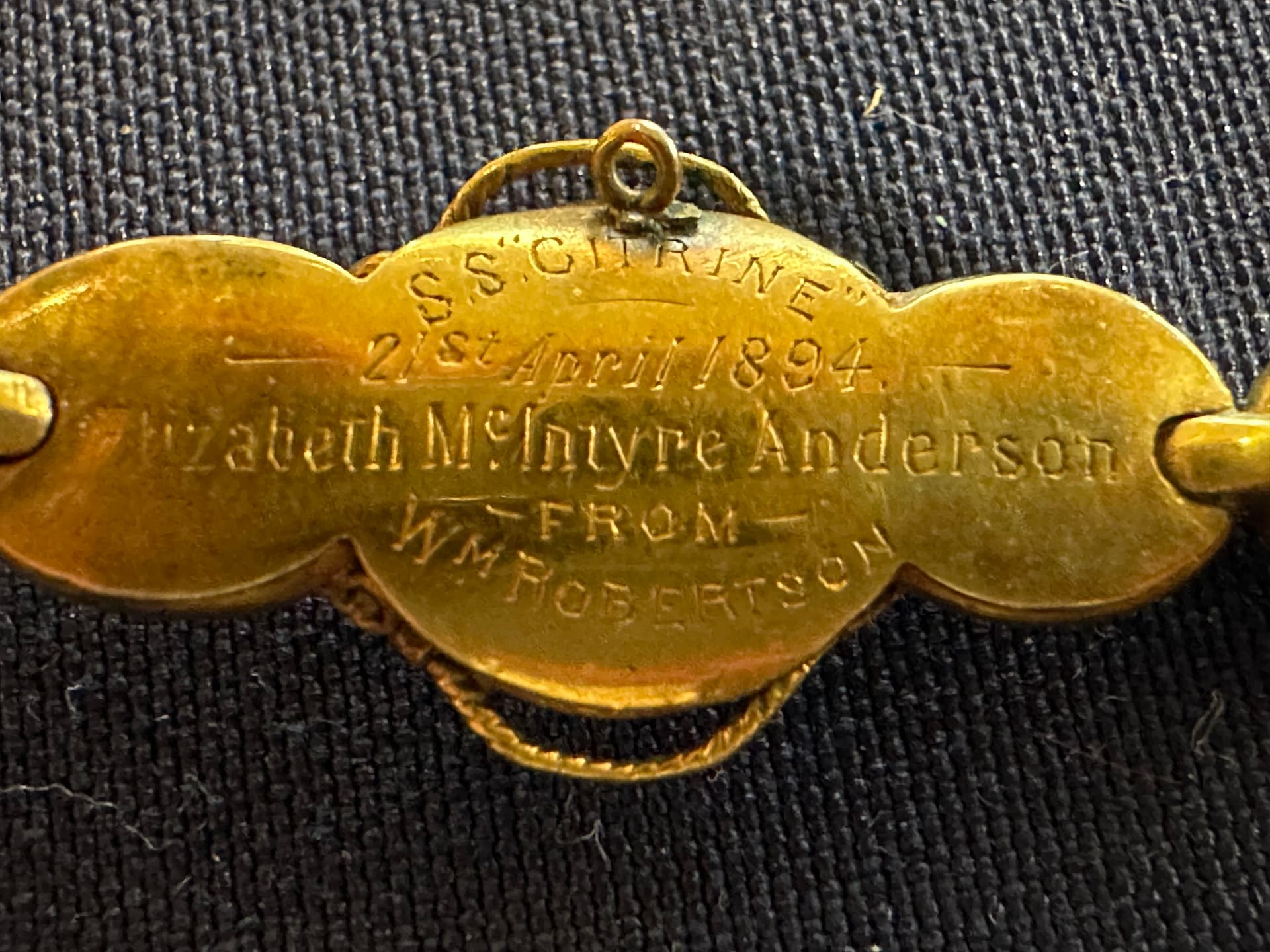
The strongest examples are often the simplest. Kinn Studio’s Heirloom Handwritten collection translates a loved one’s handwriting into jewelry, which gives the piece intimacy without clutter. ITÄ’s personalized charms and letter pendants work from the same instinct: a small-scale object that can still carry emotional force. The appeal lies in the restraint. The detail is personal, but the execution has to be polished enough to read as fine jewelry, not memorabilia.
Customization is now part of the business model
What has changed in 2026 is not simply that customers like personalized jewelry. It is that suppliers and retailers are treating it as infrastructure. In January, Rio Grande curated its top personalization tools because demand had made customization impossible to ignore. Amy Jaramillo, the company’s director of merchandising, said personalization is “no longer optional” and called it a core strategy for jewelers who want to stay competitive.
That shift matters because customization only scales if the workshop can keep up. Engraving and metal-working tools are not glamorous, but they determine whether a retailer can turn around a custom order quickly, keep production in-house, and preserve margin. In practical terms, the brands that can offer personalization cleanly and efficiently will be able to serve both kinds of client: the customer who wants a bespoke engraving on a fine chain and the one who wants a more substantial custom jewel with more engineering behind it.
The K-shape market is forcing a two-part pitch. At the luxury end, personalization has to sound like legacy and rarity. At the accessible end, it has to feel like self-expression at a reachable price. The smartest brands are no longer confusing the two. They are building separate stories for each.
What buyers are really paying for
Even with the rise of names, initials, and birthstones, the emotional core of the category is still craftsmanship. JCK’s May preview of the Las Vegas shows noted that layering, personalization, and pieces that feel immediately meaningful were becoming central themes, while gold-price pressure pushed exhibitors toward both more substantial pieces and more accessible alternatives. That pressure has sharpened the question every buyer now asks, consciously or not: does this piece justify its price through material, workmanship, and resonance?
Brecken Farnsworth of Parlé put it plainly, saying customers still value the substance and presence of gold. That matters because gold jewelry is not just a visual shorthand for luxury, it is a tactile one. Weight on the wrist, fullness in a chain, the way a clasp closes, all of it contributes to the sense that a piece will outlast a trend. Narrative can bridge price and value, but only when the object itself feels worthy of the story.
Le Vian’s trend forecast takes that idea further, describing a buyer drawn to intentional, heirloom-worthy pieces that reflect craftsmanship and personal significance. Jewelry, in that framing, becomes more than adornment. It is a declaration of values, identity, and emotion. That is why the most compelling personalized pieces today tend to look edited rather than crowded, specific rather than loud.
Couture made the split visible
Couture 2026, held at Wynn Las Vegas from May 27 to 31, made the market’s split impossible to ignore. CoutureTalks ran from May 29 to 31, and the opening-night event was renamed Couture After Dark, signaling a week in which conversation and commerce were tightly linked. The show’s education lineup included a May 31 session, “The Art of Custom: Bringing Exceptional Jewelry Visions to Life,” a title that neatly captured where the category is headed.
That programming echoed what was happening on the floor: more appetite for personal meaning, more pressure to justify price, and a sharper divide between jewelry that announces itself through scale and jewelry that announces itself through sentiment. Personalized fine jewelry now lives in both worlds. The brands that will matter most are the ones that understand the difference between a keepsake and an heirloom, and know how to make each with conviction.
This article was produced by Prism’s automated news system from verified source data, official records, and press releases, then run through automated quality and moderation checks before publishing. The system is built and supervised by the people who set the standards it runs under. Read our full AI policy.
Did this article answer your question?