Personalized Jewelry Picks Across Price Tiers: Name Necklaces, Birthstones, Lockets
A curated approach to personalization helps you choose a name necklace, birthstone piece, locket, or signet that suits your lifestyle and budget, guided by an editorial round-up updated Jan 22, 2026.

Personalized jewelry translates biography into metal and stone; the editorial guide updated Jan 22, 2026 from The Strategist catalogs dozens of options across price tiers to help you match technique, material, and meaning. Whether you prize daily wearability or heirloom ambitions, the choices—name necklaces, engraved signet rings, birthstone pieces, photo lockets, and handwriting reproductions—each demand different craft standards and finishing details.
Choosing by price tier, and what it buys
The Strategist’s curated buying guide separates picks by price tier so you can see what craftsmanship looks like at each level. In the entry tier, expect sterling silver, gold vermeil, and machine engraving, often paired with lab stones or CZ accents; these pieces offer immediate gratification and trends that can be renewed seasonally. Mid-tier selections trade plated finishes for solid 14k gold or heavier vermeil, hand-polished surfaces, and better diamond or sapphire quality; in this range you get more substantial chains, secure soldered jump rings, and finer engraving depth. High-end picks, as noted in the editorial round-up, emphasize 18k gold, bespoke hand engraving, custom-cut gemstones, and the option for atelier production—they command premium pricing because of labor, gold weight, and gem grading.
Name necklaces: script, chain, and construction
Name necklaces are deceptively complex: letterform, thickness, attachment points, and chain choice determine both legibility and longevity. The Strategist lists numerous styles, from delicate initial pendants to cursive nameplates; choose a double-attachment plate if you want the name to sit flat and resist flipping. For daily wear, prefer solid gold or heavy vermeil and closed-link chains with a lobster clasp or spring ring reinforced by a soldered jump ring at the pendant; fine curb or figaro links distribute tension differently than cable chains and change how the pendant hangs. If you gravitate toward a script nameplate, ask whether the brand laser-cuts the outline or stamps and polishes it—the former gives crisper negative space, the latter can create softer edges.
Engraved signet rings: form, fit, and technique
Engraved signet rings bridge monumentality and intimacy, and the guide’s selections show a wide range from machine-etched initials to hand-chased crests. Face size matters: a 12- to 16-millimeter oval gives room for a monogram without crowding, while smaller faces suit stacked-ring styling. Consider metal weight and band width for comfort—solid 14k or 18k gold signets will feel grounded on the hand, whereas hollow or thinly cast options wear faster. Hand engraving, which appears among the higher-tier picks in the editorial round-up, creates depth that will patina beautifully over time; machine engraving is exact and economical but can look flat. If you expect to resize, discuss construction: a wide, continuous shank resizes more safely than one with internal hollows.
Birthstone pieces: color, durability, and provenance
The Strategist’s birthstone category includes both gemstone-centric pendants and birthstone-accented signets and rings, offering choices that span natural and lab-grown gems. Match the stone to the intended use: garnet, amethyst, and topaz are durable for pendants and rings, while opal and pearl require more protective settings and occasional removal. For stones set in rings, prefer bezel settings when durability matters: bezels cradle the girdle and help prevent chips, cited across the guide as practical for everyday pieces; prong settings maximize light return for brilliance, which is preferable for diamonds and sapphires but requires routine inspection of prong integrity. If provenance matters, the editorial selections highlight lab-grown alternatives that offer color consistency and lower cost at comparable visual quality.
Photo lockets and the rules of scale
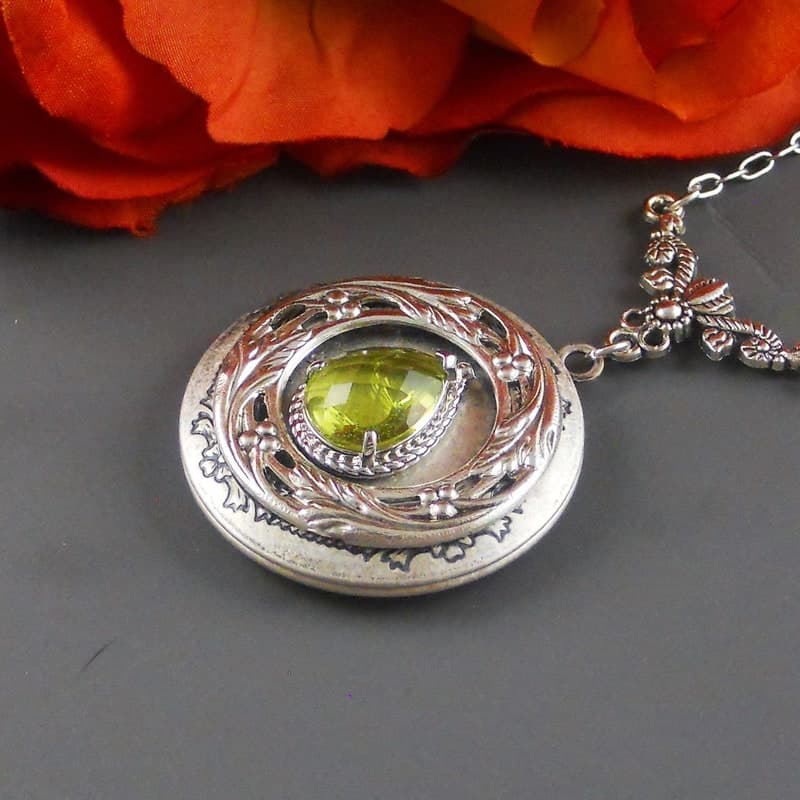
Photo lockets are the most literal form of personalization, and the guide’s round-up includes classic pendants and contemporary miniatures. When evaluating a locket, note the internal dimensions rather than the exterior silhouette; a popular small locket might only hold a 9 by 7-millimeter image, which requires precise cropping and a professional print. Metal choice matters for hinges and closures: solid gold pins and dovetail closures last far longer than plated hinges. If you plan to wear a locket daily, choose a recessed bezel or a locket with a snap that locks rather than a simple hinge to reduce the risk of accidental opening.
Handwriting and signature pieces: fidelity and finish
Reproducing handwriting into metal is a tiny act of translation, and the guide highlights several approaches, from engraved scripts to enamel-filled signatures. The best renditions start with a high-resolution scan and a skilled engraver who translates line weight into tooling depth; shallow laser engraving captures detail but can lack the shadow and tactility of hand tooling. Consider scale: a delicate signature works on a slim bar or ring face, whereas a bold block of handwriting needs a larger canvas to remain legible. The editorial picks show that higher-tier makers will proof engravings digitally before production, a small but crucial step when the original stroke must be honored exactly.
Care, longevity, and assessing value
Across The Strategist’s editorial guide, long-term value is tied less to trendiness and more to material honesty and repairability. A solid 14k gold name necklace will retain its finish and can be repaired by any competent jeweler; vermeil and plated pieces require re-plating over time and should be valued accordingly. Look for secure settings, thick soldered links, and the ability to replace stones—those are signs the piece was made with service in mind. If a piece comes from the guide’s higher-tier selections, expect clearer disclosure about metal fineness, gem carat weights, and whether stones are natural or lab-grown; those facts justify premium price points.
How to commission or customize: a short process
When ordering a personalized piece the guide recommends these sequential steps to ensure clarity:
1. Provide a clear image or text for the engraving, specifying size and placement.
2. Request a digital proof or wax model when available, and approve proportion and font.
3. Confirm metal, karat, and any stone specifications, and get an estimated timeline for production.
4. Ask about resizing, repair policies, and if the brand offers re-plating or re-polishing services.
A final note on meaning and market
The Strategist’s evergreen round-up updated Jan 22, 2026 shows that personalized jewelry remains a market where craftsmanship and storytelling intersect: the technical choices you make—bezel versus prong, hand engraving versus laser, solid gold versus vermeil—determine not just price but how the object will age with you. Choose with attention to construction and care; a well-made name necklace, signet, birthstone piece, or locket becomes more than an accessory, it becomes an authenticated piece of personal history that can be serviced and passed on.
This article was produced by Prism’s automated news system from verified source data, official records, and press releases, then run through automated quality and moderation checks before publishing. The system is built and supervised by the people who set the standards it runs under. Read our full AI policy.
Did this article answer your question?