Small, Mid‑Sized Boutiques Shift to Bespoke Commissions and Personalization to Boost Margins
Small and mid‑sized jewelry boutiques are pivoting to bespoke commissions and personalization to capture higher margins and insulate themselves from commodity price shocks.

Bespoke commissions and personalization are no longer a boutique indulgence; they have become a deliberate business strategy. For small and mid‑sized jewelers, tailoring pieces to an individual’s story raises price per sale, reduces exposure to volatile metal and gemstone markets, and deepens customer lifetime value. Below is a practical, hands‑on guide to the reasons for the shift and the operational moves that will make it profitable.
1. Margin and differentiation
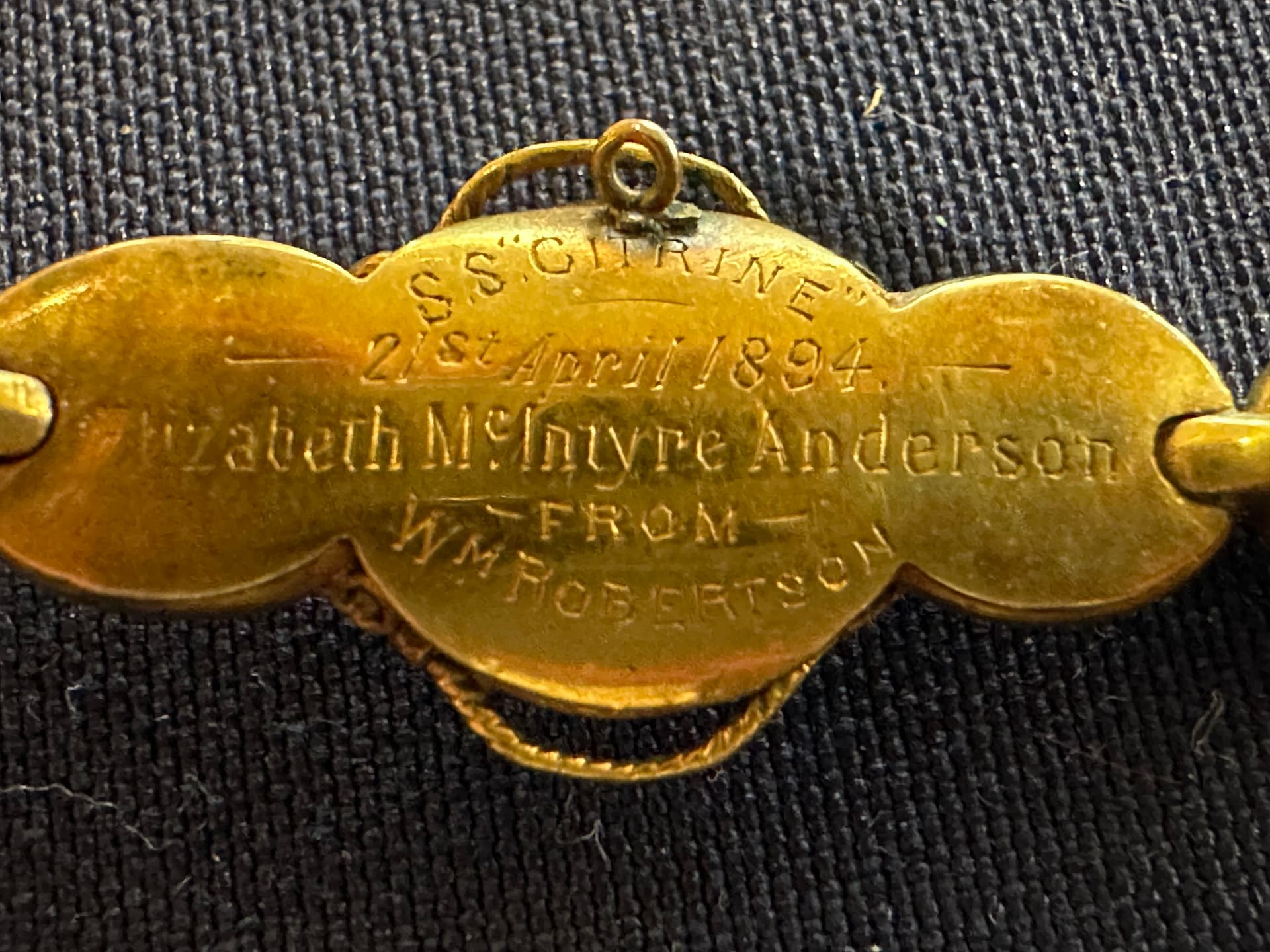
Bespoke work commands higher margins because customers pay for craft, scarcity, and story rather than commodity metal weight or wholesale SKU pricing. By designing to a client’s exact taste, whether a bezel‑set signet engraved with initials or a pavé halo built around an heirloom stone, boutiques sell expertise and time, which are less fungible than raw gold or diamonds. Higher margins also let independent stores absorb cost increases without passing every fluctuation in gold or rough diamond prices directly to customers.
2. Protection from commodity price shocks
When revenue depends less on inventory of standard items and more on custom labor and design fees, boutiques reduce their exposure to swings in bullion and rough‑gem markets. A commission model front‑loads revenue through design deposits and staged payments, which means the business is not continuously carrying the full market risk of finished gold pieces or loose stones. That buffering, moving price vulnerability from inventory to service, is the explicit financial logic driving many independents to prioritize personalization.
3. Customer lifetime value and repeat business
Personalized commissions extend the commercial relationship beyond a single transaction: a bespoke engagement ring often leads to anniversary pieces, bespoke resets, or family‑piece services over decades. Each custom commission embeds design notes, finger measurements, stone histories, and client preferences into a boutique’s CRM, increasing the likelihood of future sales and referrals. The incremental value of a retained client who returns for multiple commissions is frequently several times what a one‑time retail sale yields.
4. Design language: balancing signature and client voice
Successful boutiques develop a design idiom they can adapt rather than a rigid catalog. That could be a recognizable bezel profile, a favored milgrain finish, or an approach to halo proportions that flatters different stone shapes. Customers pay for both the boutique’s signature and the feeling of ownership over the finished object; the most profitable commissions are those that blend recognizable craft with personal markers, initials, birthstones, or a motif drawn from a client’s life, so the piece reads as both house and self.
5. Bench skills, tools, and technology investment
To deliver high‑margin bespoke work, shops must invest in skills and equipment: experienced bench jewellers comfortable with bezel and prong setting, hand engraving, and stone re‑cuts; CAD/CAM capability for rapid prototyping and realistic renders; and reliable casting and finishing workflows. These investments increase capacity to take commissions that command premium pricing, and they shorten lead times, turning expertise into a competitive advantage that justifies higher margins.
6. Pricing structure and deposits
A clear, staged pricing model protects margins. Typical practice is to require a nonrefundable design deposit, then staged payments tied to sourcing, setting, and final delivery. Deposits cover initial CAD time and bench hours and reduce cancellations that would otherwise leave unsold custom inventory or unrecoverable labor costs. This structure transforms bespoke work into predictable cash flow rather than speculative inventory.
7. Sourcing strategies and gemstone options
Boutiques pivoting to personalization widen their sourcing playbook: responsibly sourced melee and signature accent stones, pre‑owned stones clients bring in for resetting, and strategic partnerships with ethical miners or dealers for single stones. Offering options, lab‑grown versus natural diamonds, colored gemstones with documented origin, or recycled precious metals, enables price segmentation and protects margins by matching client budgets to appropriate material choices without commoditizing the design.
8. Inventory management and reduced SKU risk
Moving away from large inventories of trend pieces lowers the risk of markdowns when fashions shift. Commissions use minimal finished stock: a small library of sample settings, a selection of popular stones, and material kept by weight rather than SKU. That lean inventory model preserves capital and keeps the boutique nimble when precious metal or gemstone prices spike, aligning directly with the research‑driven rationale that bespoke work shields margins from commodity volatility.
9. Client experience: storytelling, consultation, and documentation
Personalization is an experience as much as a product. A consultation should extract lineage, symbols, and wear habits so the finished piece wears well and accrues meaning. Detailed documentation, design renderings, stone certificates, care instructions, cements the narrative and supports the premium price. When the sale is a commission, the client is buying a carefully curated memory as much as gold and gemstones.
10. Marketing bespoke services without losing accessibility
Shops should market bespoke services through curated portfolios and client stories that demonstrate process and provenance, not just final prices. Showcasing a CAD render beside the finished ring or a before‑and‑after of a reset clarifies value. Promotional emphasis on craftsmanship and personalized service helps justify the higher margins and attracts a clientele willing to pay for a tailored result rather than a mass‑produced alternative.
11. Aftercare, warranties, and lifetime relationships
Higher margins come with an expectation of sustained service. Offering lifetime cleaning, periodic prong checks, and a fair reset policy not only secures client goodwill but becomes an additional revenue stream when upgrades or modifications are requested. Aftercare keeps the relationship active, reinforcing the customer lifetime value that underpins the move toward personalization.
12. Scaling the model responsibly
Not every independent can become a full design house overnight. Scaling bespoke services responsibly means piloting with a limited number of monthly commissions, documenting costs and lead times, and hiring or contracting specialized bench work as demand grows. Measure margins per commission and adjust deposit policies and turnaround expectations to ensure the model improves overall profitability rather than simply redistributing cost.
Conclusion For small and mid‑sized boutiques, bespoke commissions and personalization are a strategic recalibration: they translate craft into higher margins, create a buffer against commodity price shocks, and turn single purchases into durable client relationships. When skillful design, disciplined pricing, and attentive aftercare are combined, personalization becomes both an artistic practice and a practical business model, one that sustains independent jewelers in an era of market volatility and amplifies the emotional value that only a truly personal piece can hold.
This article was produced by Prism’s automated news system from verified source data, official records, and press releases, then run through automated quality and moderation checks before publishing. The system is built and supervised by the people who set the standards it runs under. Read our full AI policy.
Did this article answer your question?