Spring 2026 jewelry blooms with flower and petal motifs across luxury collections
Petals are replacing initials as the season’s most personal flourish, from hand-painted porcelain to sculpted diamond blooms that read like keepsakes.
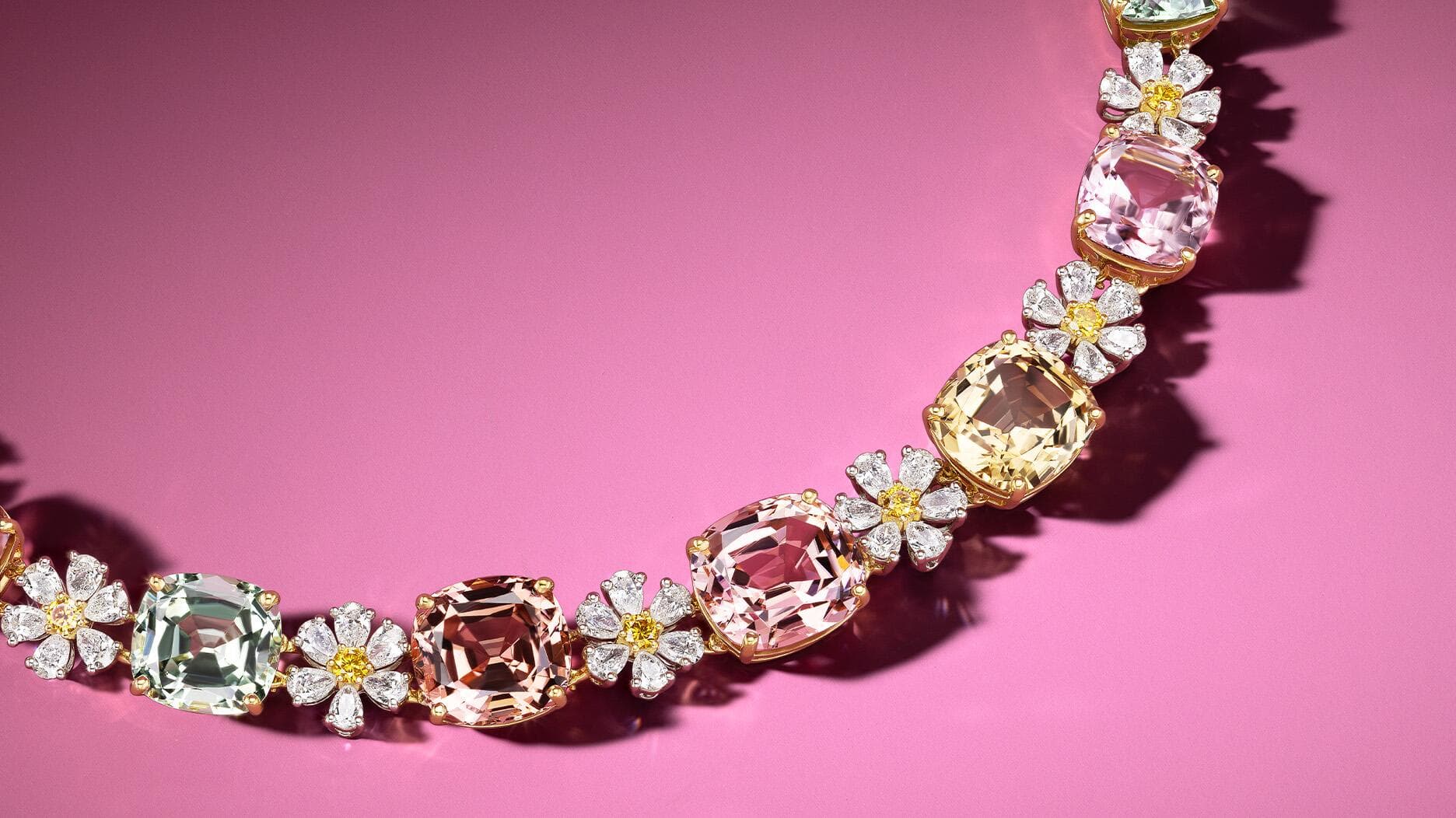
Petals are replacing initials as the season’s most immediate form of jewelry self-expression. The spring 2026 floral wave is not content to be merely pretty: it turns up in gold and diamonds, but also in titanium, suede, horn, and hand-painted porcelain, which gives the motif a fresh, almost tactile life. What feels new is not the flower itself, but the way designers are using it to carry meaning, memory, and style in one glance.
The floral motif, made more personal
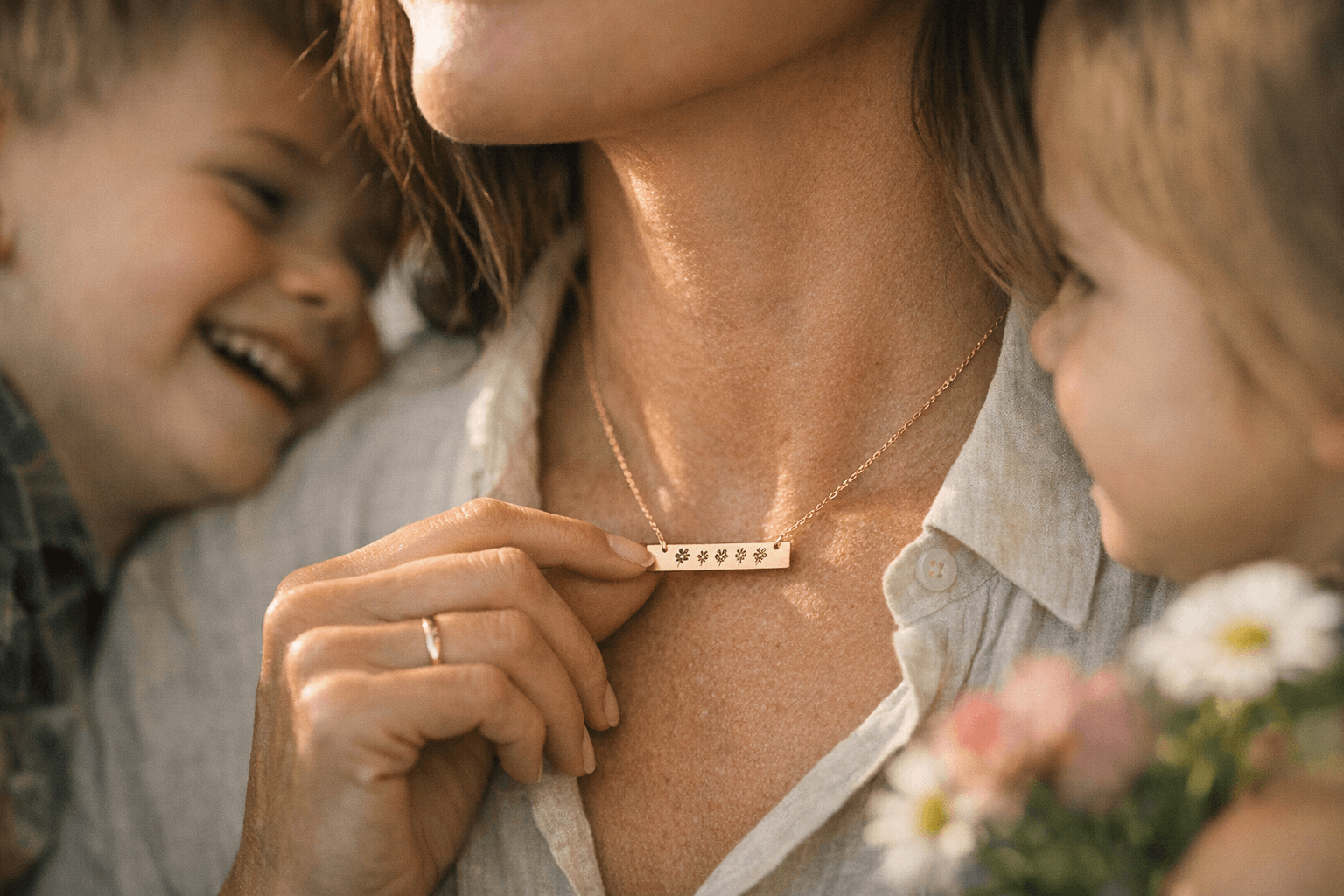
Florals have always belonged to spring, but this season’s collections treat them less as a decorative cliché and more as a language. A birth flower, an anniversary bloom, or a bloom tied to a place or family story can make a floral jewel feel specific rather than seasonal. That shift matters because the best pieces do more than reference nature: they make nature feel personal, wearable, and emotionally legible.
National Jeweler’s spring roundup makes that evolution clear. Rather than limiting flowers to dainty diamond clusters, designers are pushing petals into sculptural rings, bold necklaces, and one-of-a-kind statement pieces. The result is a floral category that stretches from approachable gold styles to high-jewelry objects that feel as much like miniature sculpture as adornment.
Materials are doing the storytelling
The most striking part of this season’s floral jewelry is the material mix. Gold and diamonds remain the foundation, but titanium, suede, horn, and hand-painted porcelain are widening the vocabulary. That combination gives flower jewelry more texture and more personality: titanium sharpens the silhouette, suede softens it, horn adds organic warmth, and porcelain allows for painted detail that can feel almost illustrative.
Hand-finished surfaces matter here. A flower in polished gold reads as classic, but a bloom rendered in enamel or porcelain feels more intimate, like something made to be looked at closely rather than simply noticed from across a room. That is where the personalization trend becomes visible: not only in engraving or initials, but in craft choices that make a piece feel singular.
The high-jewelry end of the spectrum
At the uppermost end, Oscar Heyman’s platinum and 18-karat yellow gold “Flower” necklace, priced at $400,000, shows how serious the motif can become. This is not a throwaway seasonal flourish; it is a major jewel, built in precious metals and priced accordingly. The scale and materials place it firmly in collectible territory, the kind of piece that signals investment as much as taste.
Tacori’s “Dahlia” sculpted double-petal engagement ring takes the floral idea into bridal territory with a more accessible luxury point of entry. Priced at $16,990 without the center stone, it invites the buyer to shape the final look through stone choice, which is a subtle but important kind of personalization. The double-petal setting gives the ring a sense of movement, softening the geometry of an engagement ring without losing structure.
Adam Neeley’s one-of-one “Callara” earrings and “Rosa Petula” necklace sit in the rarified space where design becomes singular by definition. With prices available upon request, they signal custom-level exclusivity, the kind of floral jewelry that reads less like inventory and more like a private commission. That matters in a season when individuality is the real luxury.

From statement pieces to everyday signatures
Not every floral jewel needs to live at the top of the market to feel considered. Boochier’s rainbow and pink “Flower Puff” designs range from $4,350 to $37,870, spanning a spectrum that is playful in color but still serious in craft. The range suggests a brand translating floral exuberance into pieces that can move from fashion statement to precious object without losing their charm.
Emily P. Wheeler pushes the motif into more unexpected territory with a flower bolo tie at $20,000 and the “Tiare” ring at $46,000. The bolo tie, in particular, gives floral jewelry an edge that feels less conventional and more editorial, proof that petals can work just as well in a gender-fluid, style-conscious wardrobe as they do in a classic ring stack.
At a more accessible luxury level, Monica Rich Kosann’s daisy and flower styles, priced from $795 to $1,275, show how the motif can become an entry point rather than an extravagance. These pieces are important because they make the trend legible beyond the high-jewelry case. A smaller budget does not mean a smaller story; it often means a more wearable one.
Nada Ghazal’s hand-painted enamel floral ring, priced at $13,790, sits between those worlds. Enamel brings color and dimension in a way that reads almost painterly, and the hand-painted finish gives the ring a sense of craft that feels especially aligned with the season’s personalization mood. It is the kind of jewel that rewards close looking, which is often where the best personal pieces live.
Why the flower feels fresh now
Sorellina’s “Bloom” collection, launched on March 10, 2026, makes the cultural subtext explicit with 11 pieces inspired by the flower power movement of the 1960s and 1970s. Nicole Carosella drew from the era’s ideas of peace, individuality, cultural change, optimism, and freedom, which gives the collection more than a seasonal rationale. It ties floral jewelry to a lineage of self-definition, not just decoration.
That framing aligns closely with what buyers are seeking now. Stuller said in January that jewelry trends in 2026 reflect a growing desire for personal expression, with meaningful customization, bold silhouettes, and rich colors among the key drivers. Floral jewelry answers all three at once: it can be bold, colorful, and deeply symbolic without feeling overworked.
Paris Fashion Week’s spring 2026 jewelry presentations reinforced the same direction, with self-expression, nature-inspired jewelry, and colorful optimism emerging as the season’s governing ideas. Put together, the message is clear: flowers are not back because they ever truly left. They are back because designers have found a way to make them feel like personal signatures again, and that is what gives this spring’s blooms their lasting appeal.
Know something we missed? Have a correction or additional information?
Submit a Tip