SSEF reports possible new Paraíba tourmaline source in Ethiopia
SSEF has flagged a possible Ethiopian source for Paraíba-type tourmaline after difficult origin tests and trace-element overlap with Brazilian stones.
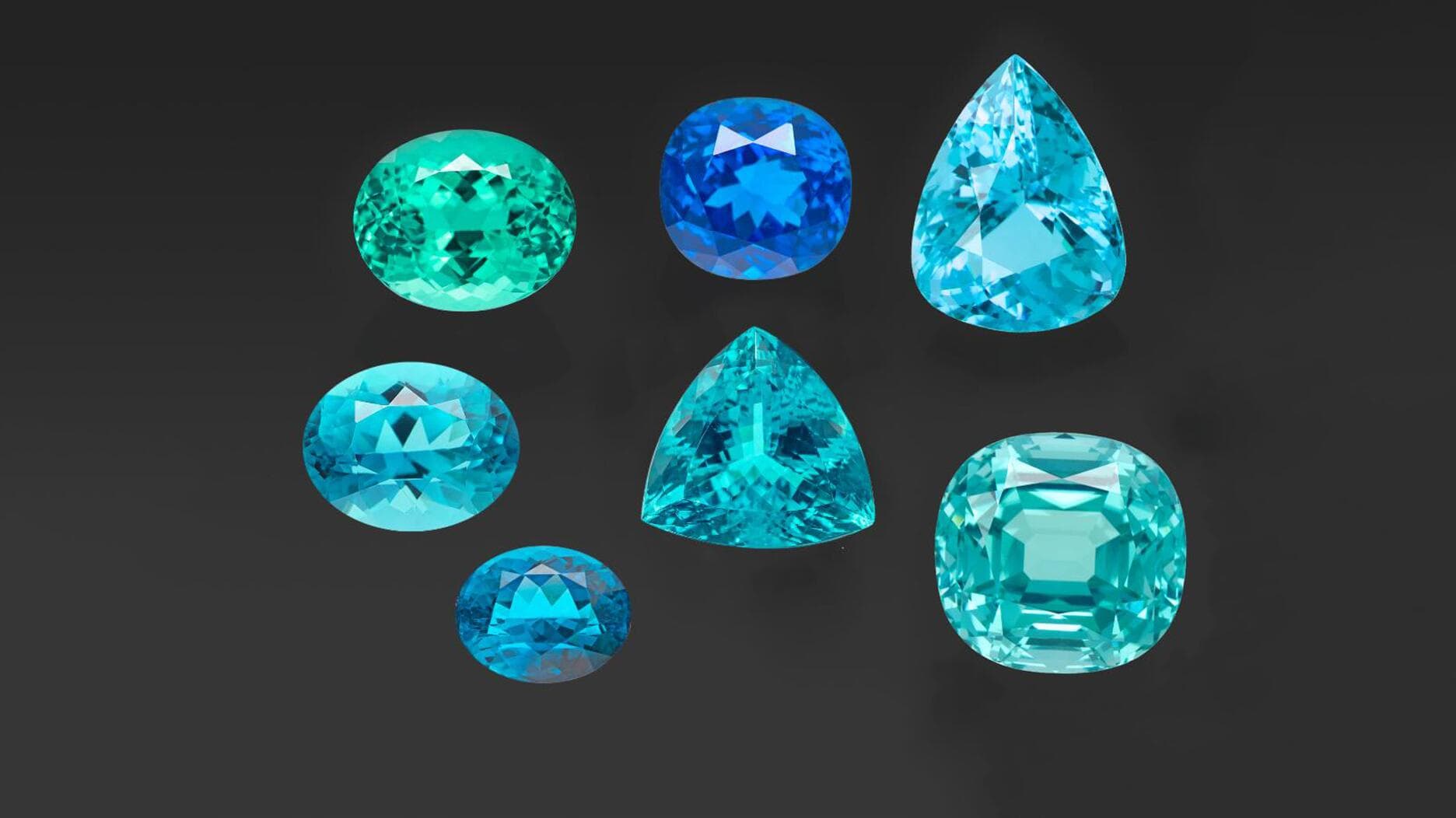
On June 18, the Swiss Gemmological Institute SSEF received credible trade reports of a new copper-bearing tourmaline deposit in Ethiopia, while several stones submitted to the Basel lab for examination produced origin determinations that were difficult and, in some cases, inconclusive.
SSEF’s preliminary trace-element analyses showed considerable overlap with material from previously known localities, especially Brazil. The lab is continuing research to characterize the new material and refine methods for separating it from copper-bearing tourmalines from other origins, a job that can require chemical analysis and UV-Vis-NIR spectroscopy when stones resemble non-copper indicolite.
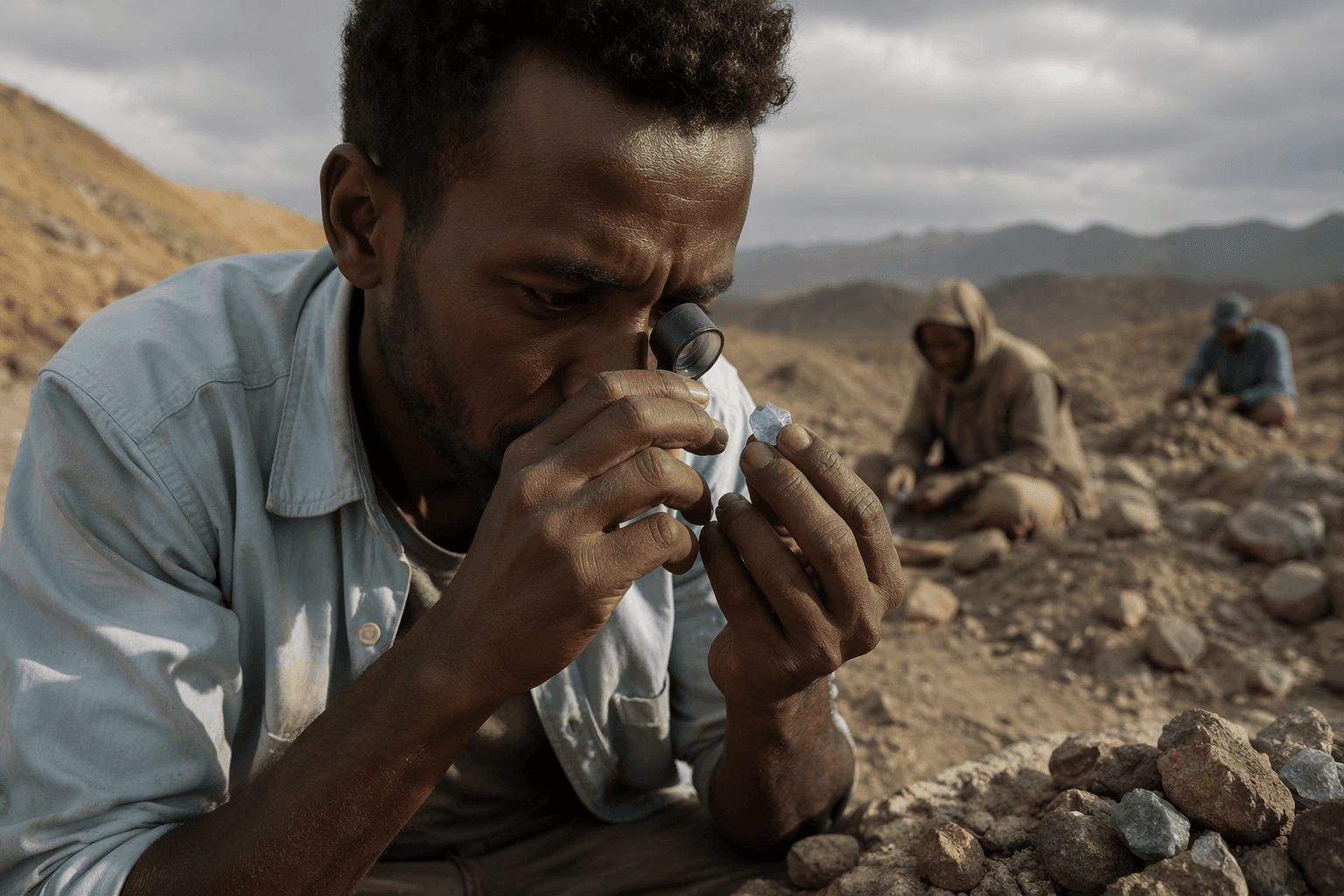
Paraíba tourmaline entered the trade after Heitor Barbosa discovered it in the late 1980s near São José da Batalha in Brazil’s Paraíba state. The name comes from that Brazilian locality, even as Nigeria and Mozambique emerged as additional sources in the early 2000s. Mozambique became especially important, producing gem-quality copper-bearing tourmalines in much larger quantities, including stones weighing several hundred carats.
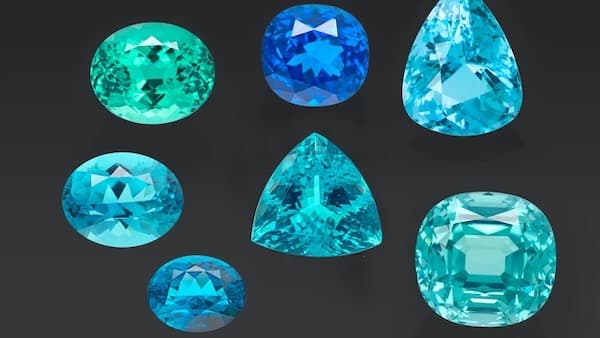
Paraíba tourmaline is a blue to green tourmaline whose vivid color is driven mainly by copper and manganese in the crystal structure, the chemistry that gives the gems their neon flash. That brightness has made the category one of the most sought-after colored stones in the trade, but it has also made origin claims more valuable, and more fragile, when stones move into the high-end market.
Haimanot Sisay posted that Paraíba-type tourmalines had been discovered in the central Ethiopian highlands and said samples were being collected for proper checkup and sent to Germany and Thailand. A Paraíba tourmaline sold for $1.4 million at Sotheby’s on June 23.
This article was produced by Prism’s automated news system from verified source data, official records, and press releases, then run through automated quality and moderation checks before publishing. The system is built and supervised by the people who set the standards it runs under. Read our full AI policy.
Did this article answer your question?