Surging gold prices push couples to repurpose heirlooms into bespoke engagement rings
Canadian couples are transforming family heirlooms into custom engagement rings as gold hits record highs, prompting designers to repurpose vintage pieces and use lighter, mixed-metal strategies.
With gold prices at record highs, Canadian couples are turning family heirlooms into personalized custom engagement rings to cut costs. The Globe and Mail line has become shorthand among designers and bench jewelers as a tangible change in commissioning habits.
The scale of the squeeze is sharp. Antevacrafts records that in 2025 gold surpassed $3,500 per ounce, and Gembreakfast reported on January 22, 2026 that gold was nearing $5,000 per ounce. Market drivers named by Bamina Co include economic uncertainty, currency fluctuations, investor demand and geopolitical tensions, while Gembreakfast and DiCuore’s own materials point to tariffs and supply chain slowdowns as added upward pressure.
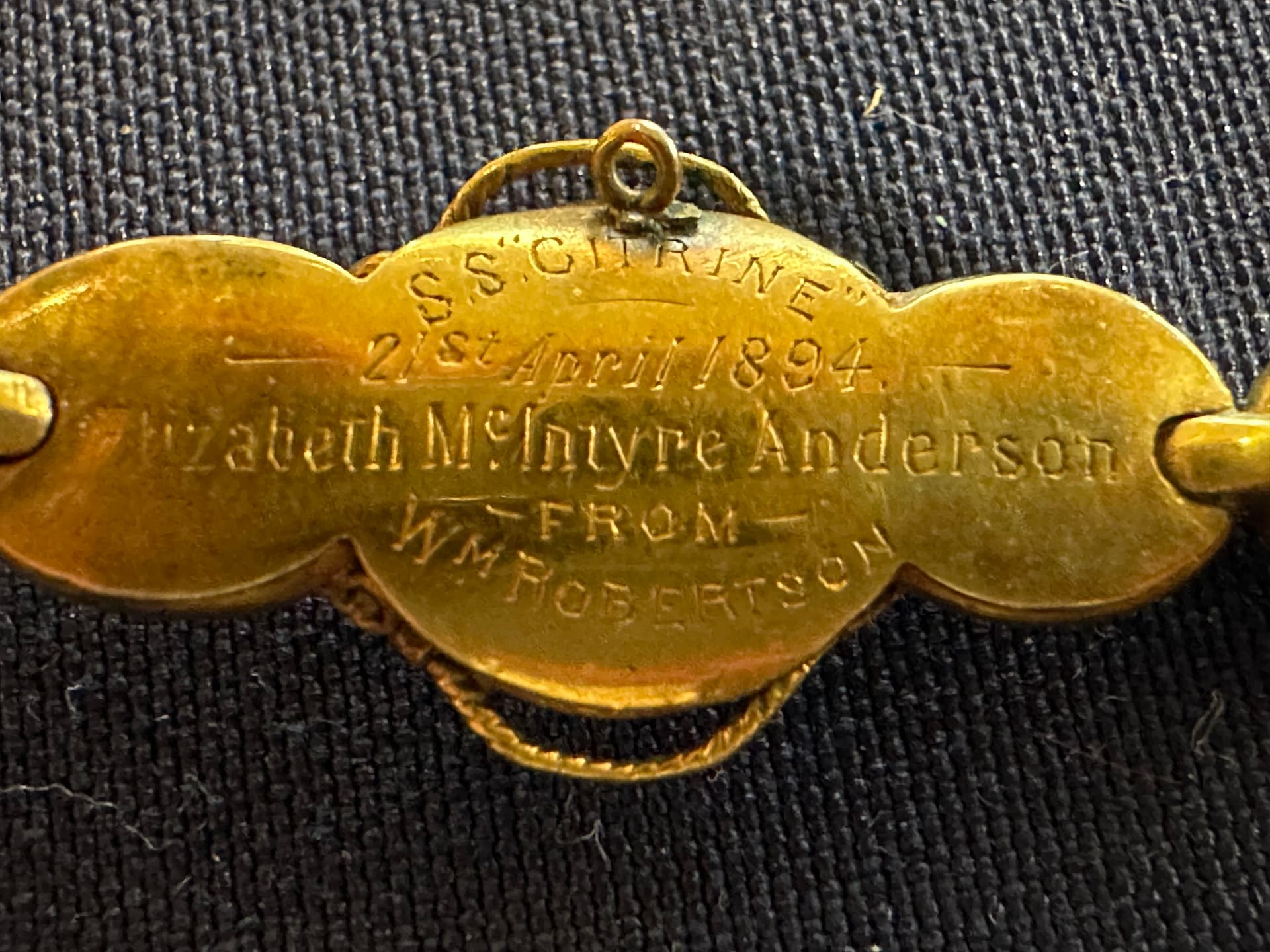
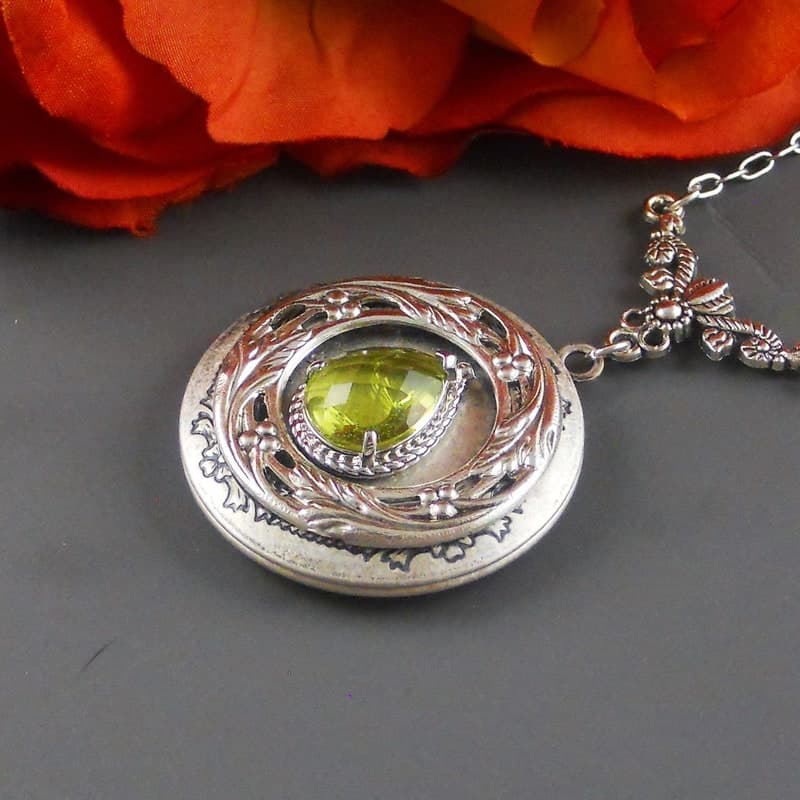
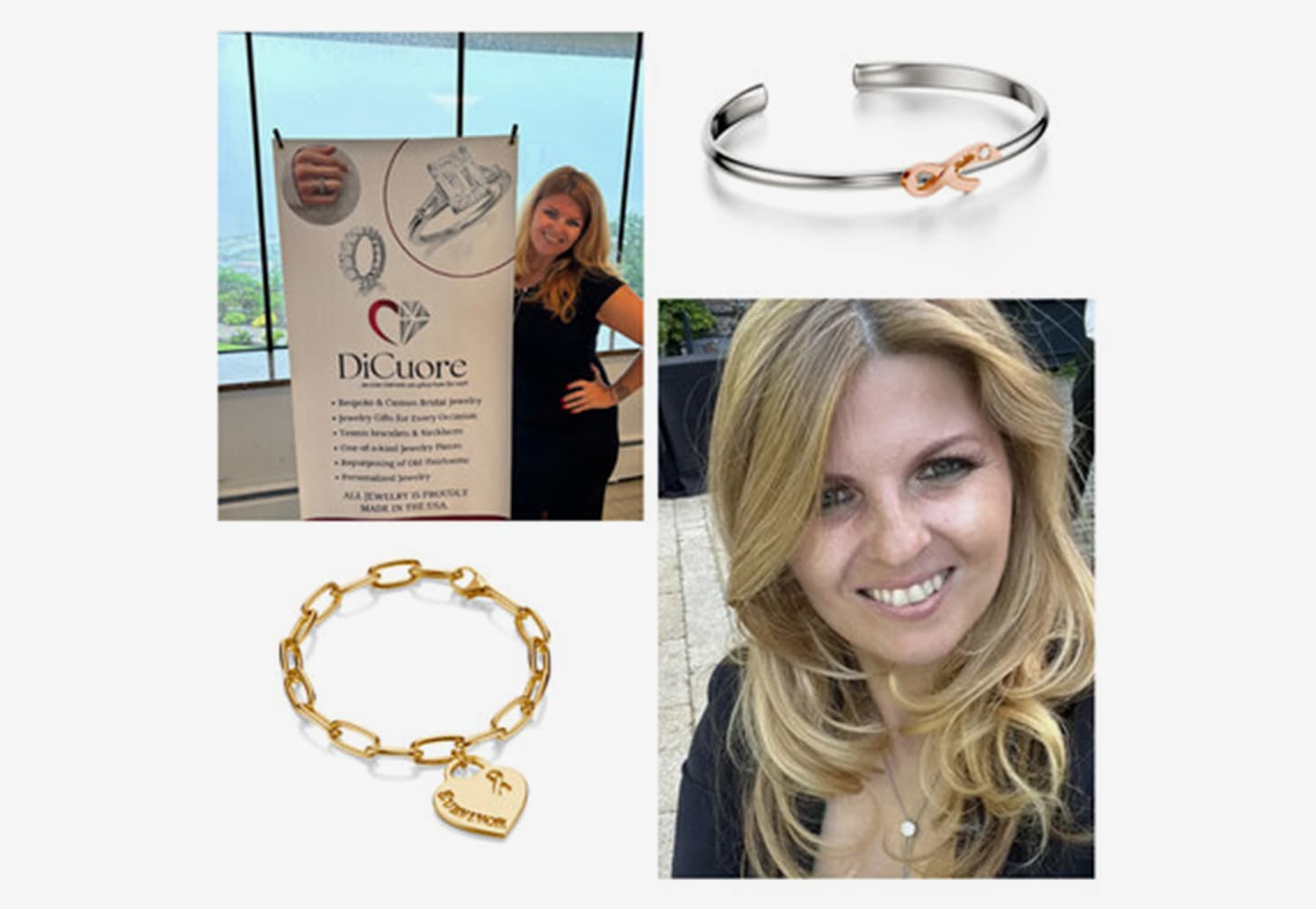
That confluence of forces is reshaping how jewels are designed and bought. Bamina Co and Antevacrafts both note a renewed appreciation for heirloom and vintage jewelry as assets rather than mere adornment; manufacturers are responding by emphasizing recycled gold, precision casting and lightweight designs to conserve grams of gold. DiCuore Diamonds, based in New Jersey, has leaned into that movement: in a February 17, 2026 press release the founder, Daniela Sokołowski, said, "No matter how hard life gets, we should never forget to smile and sparkle, and jewelry helps us do that." DiCuore’s public statement stresses transforming inherited pieces into modern, meaningful fine jewelry as a direct response to rising costs.
Retailers are altering assortments and price points. Eli J, run by Yuan and Joanne Sim, has long relied on 18-karat gold for heirloom-quality work; Business Insider reports 18k is 75 percent pure gold. As spot prices surged, Eli J raised prices "by a few hundred dollars" on average and warned profit margins could tighten by up to 10 percent this year. To keep ready-to-wear within reach, the shop has started offering 14-karat options and thinner bands where design permits; Sim says about 20 to 30 percent of customers now choose 14k, up from roughly 10 percent before the rally. "At the end of the day, I think that those who want to buy fine jewelry or create a bespoke jewelry piece understand that gold is lasting, and that gold is forever," Sim said, adding, "We try to absorb some of the cost if it's reasonable. We don't want to shock our customers, especially regulars."

Large houses are making different calculations. Titan, one of India’s largest jewelry retailers, reported in an early October filing that fewer customers shopped July through September, yet sales revenue rose 19 percent year-over-year as higher average ticket sizes offset lower foot traffic. The company introduced 9-karat gold earlier this year as a lower-cost alternative and increased marketing and promotions to sustain demand.
Material substitutions and transactional mechanics have practical consequences for buyers. Business Insider notes some stores offer price-conscious clients the option to switch from white gold to platinum, whose spot rate is around $1,595 per ounce. Gembreakfast highlights that for custom rings the gold price typically locks when a client places a 75 percent deposit, with the remaining 25 percent due on completion, usually six to ten weeks later.
The immediate winners and losers are clear. Gembreakfast identifies "gold-forward" pieces - solid wedding bands, chunky stackers and gold rings without large stones - as most exposed to inflation in the raw metal. The upshot for designers and clients is less a retreat from fine jewelry than a redesign: thinner profiles, mixed metals, repurposed stones and heirloom frames are becoming the vocabulary of engagement rings in a market where every gram of gold now matters.
This article was produced by Prism’s automated news system from verified source data, official records, and press releases, then run through automated quality and moderation checks before publishing. The system is built and supervised by the people who set the standards it runs under. Read our full AI policy.
Did this article answer your question?