Thrift shopper's $5.99 earrings engraving uncovers former owner's story
A thrift-store shopper paid $5.99 for a pair of earrings and found a tiny engraved inscription that opened a trail to the piece’s previous owner and sentimental history.
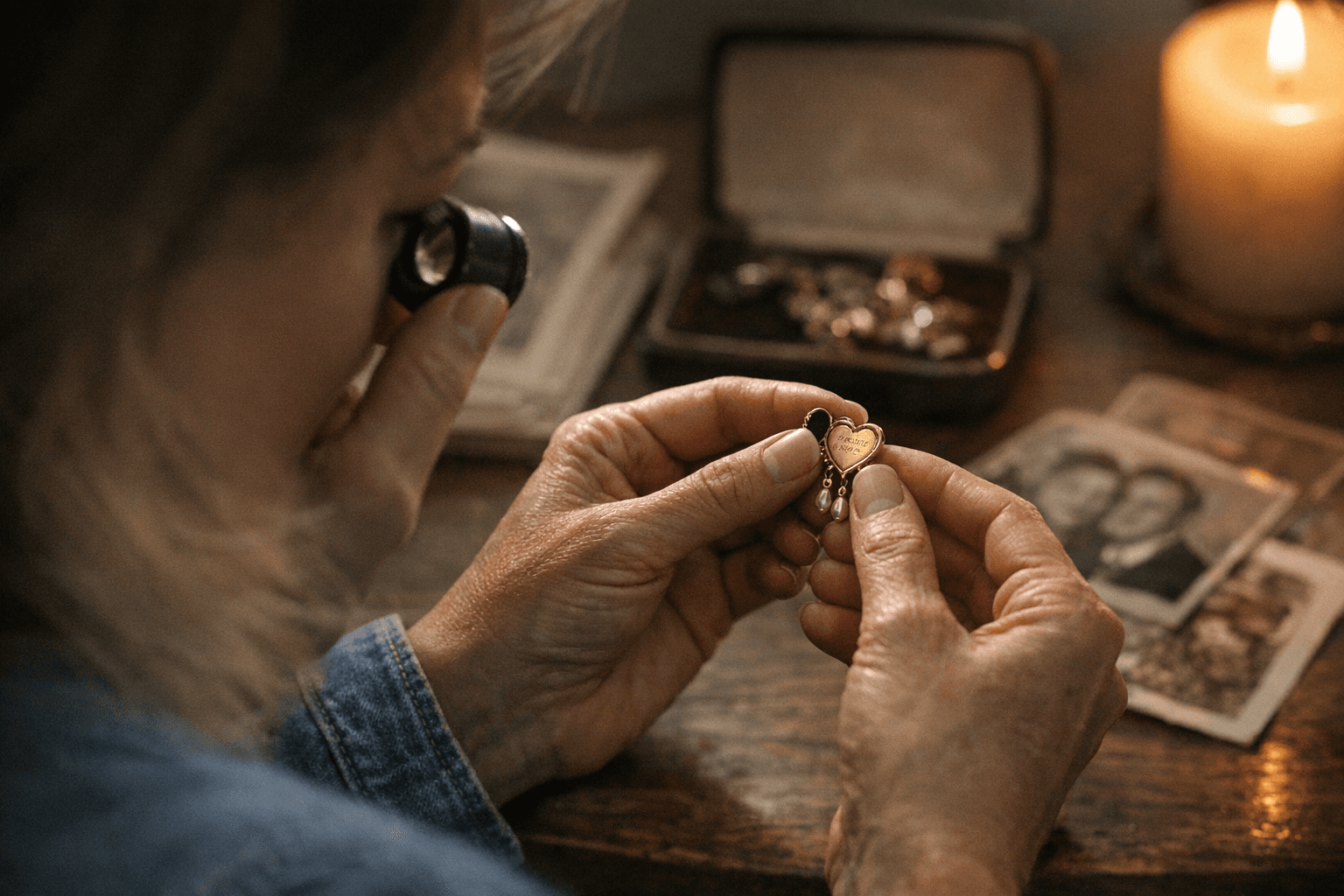
A simple $5.99 purchase at a thrift store turned into a lesson in provenance when the buyer noticed a faint engraving on the inner rim of the earrings. The small, personal mark prompted a closer look at the metal and the setting, and the discovery of that engraving was traced on February 11, 2026 as the moment the piece’s prior ownership began to come into focus.
The engraving itself was the pivot; what might have been dismissed as wear became evidence of sentimental value and previous custody. A close examination of engraved marks on second-hand jewelry can reveal initials, dates, or short phrases that link an object to a life. In this case, the thrift-store find for $5.99 suggested a backstory beyond resale value and highlighted how even inexpensive, mass-donation inventories can contain personally marked pieces.
This episode underscores a practical point for buyers of second-hand and thrifted jewelry: look closely for small engravings before assuming a piece is anonymous. The February 11, 2026 tracing of the engraving in this instance showed how a tiny punch mark can lead to a name or event tied to the former owner. For collectors and first-time buyers alike, that kind of provenance affects both emotional and monetary value in ways that a price tag rarely does.
The $5.99 earrings also raise questions about stewardship and transparency in the resale supply chain for personalized jewelry. When engraved pieces enter donation streams and thrift-store racks, the attribution that once belonged to an individual can be lost to cataloging systems and high-volume sorting. The discovery dated February 11, 2026 prompted renewed attention to how thrift operators and second-hand shops record identifying marks and whether staff are trained to note potential provenance when items are priced.
As of February 25, 2026 the thrift-store sale remains a compact case study: a low-cost transaction that revealed a layered history through a small engraved detail. The result is a reminder that provenance in personalized jewelry often survives in the tiniest marks, and that careful inspection at the point of purchase can transform a $5.99 impulse buy into a preserved personal story.
Know something we missed? Have a correction or additional information?
Submit a Tip

