Tiny charms return as personalized summer jewelry favorites
Tiny charms are back because they make personalization feel attainable. High gold costs, layered styling, and viral charm bars are turning small pendants into identity-driven jewelry with a lower buy-in.
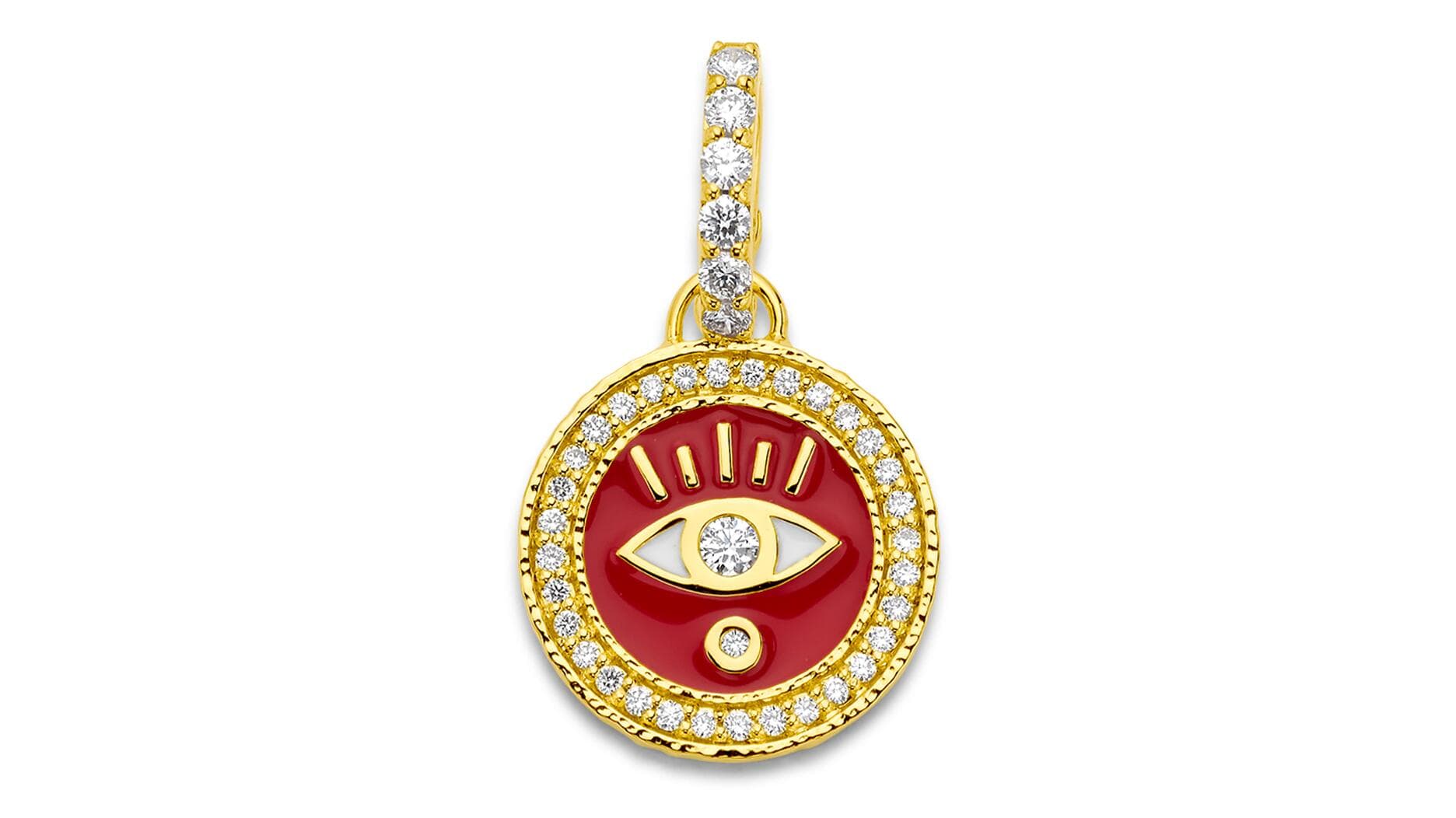
The smallest charms are doing the biggest work in jewelry right now. They let a necklace or bracelet feel personal without asking for a full custom commission, and that matters at a moment when high metal prices make size feel like a luxury and meaning does not. The result is a category built for layering, memory, and a little bit of self-curation, with tiny pendants becoming the easiest way to wear an initial, a birthstone, a place, or a private symbol in plain sight.
Why tiny charms feel right now
National Jeweler’s June 15 style roundup made the case plainly: the new wave of charms is being driven by high metal prices, nostalgia jewelry, and the continued appeal of layered looks. That combination gives small pieces an unusual kind of power. They read as collectible, but they also stay accessible enough to buy one at a time, which is exactly why the category works so well in a market where larger gold pieces can feel out of reach.
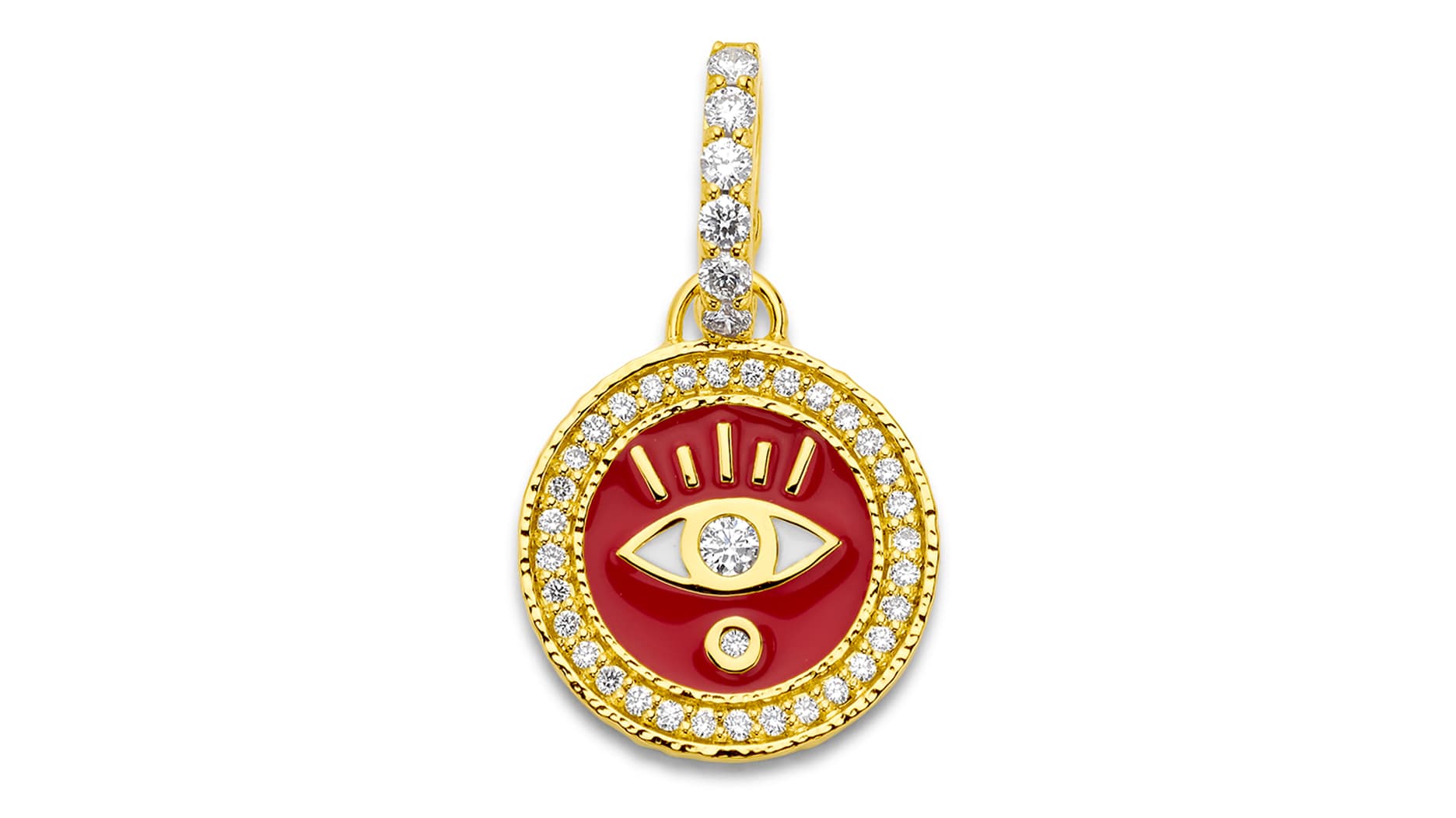
The emotional appeal is just as important as the price. A previous National Jeweler charm roundup framed charms as keepsakes tied to travel, loved ones, and memory, and that remains the category’s real strength. A tiny locket, a mini letter charm, or a talisman-like pendant is not only decorative; it becomes a portable reminder of a person, a place, or a mood.
How the look is evolving
This is not just the old-school charm bracelet coming back in the same form. National Jeweler’s 13-piece summer edit shows smaller pendants being worn in a charm-like way, often with spacers that let collars display pendants without forcing everything into a tight cluster on a single holder. That creates a softer, more modern line across the neckline and keeps the look from becoming crowded.
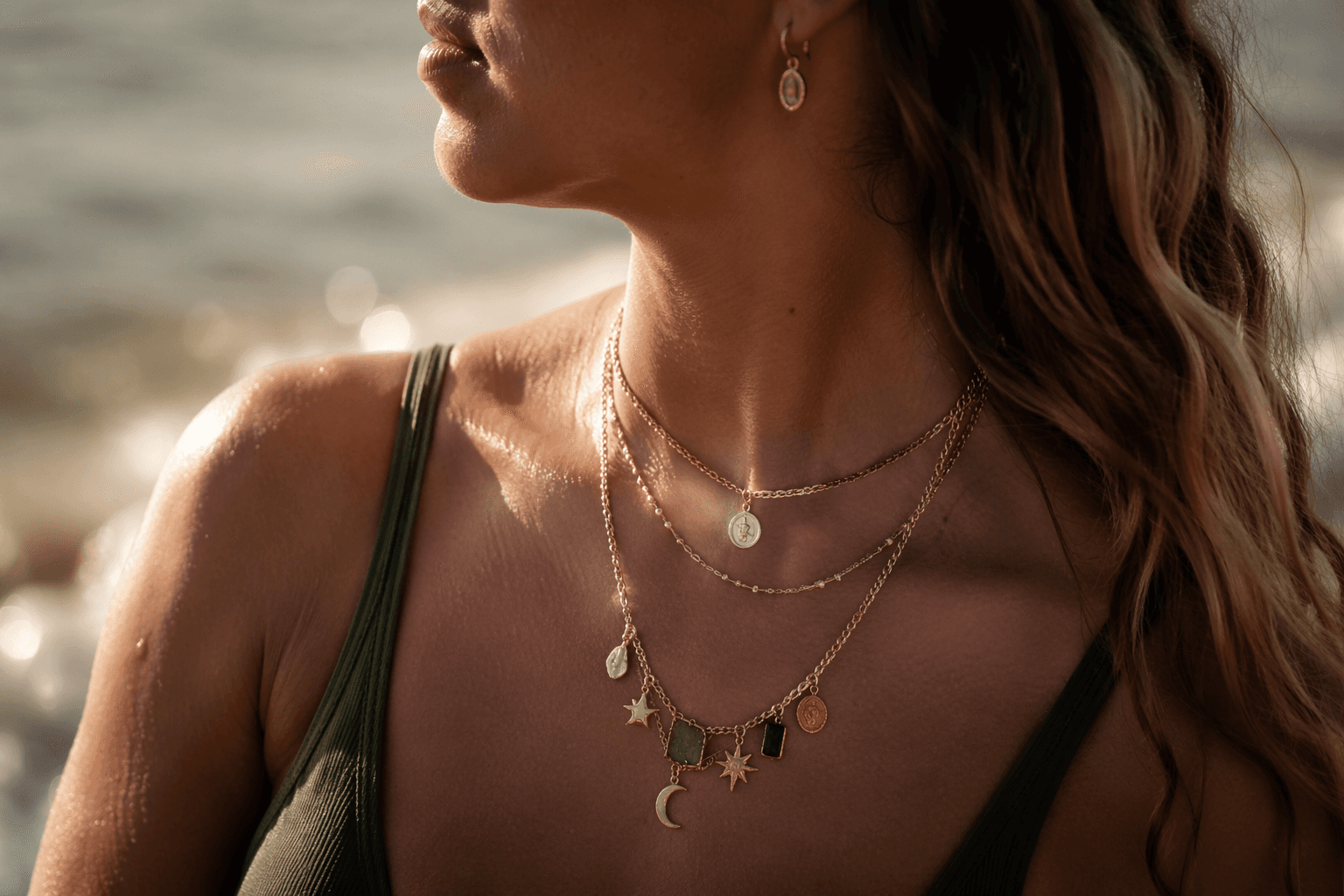
JCK’s Las Vegas Jewelry Week coverage in 2025 showed how far the idea has spread. Tiny charms were turning up everywhere, not only on necklaces and bracelets, but also on rings and hoop earrings. That cross-category movement matters because it turns personalization into a styling language rather than a single product type. The charm is no longer only something that hangs; it is something that punctuates.
There is also a quiet return of the old charm-bracelet sound, the jingle that once announced a wrist full of memories. In today’s version, the sound may be lighter and the pieces smaller, but the appeal is the same: a wearable collection that says something about the person who built it.
Where the demand is showing up
The current surge has a clear digital trail. JCK reported in 2024 that charms and charm necklaces were among eBay’s top searches in June, and that Gen Z was helping push charm-related keywords for Pandora and James Avery. That is a strong signal that the category is not simply being revived by brands from the top down; shoppers are actively searching for it from the bottom up.
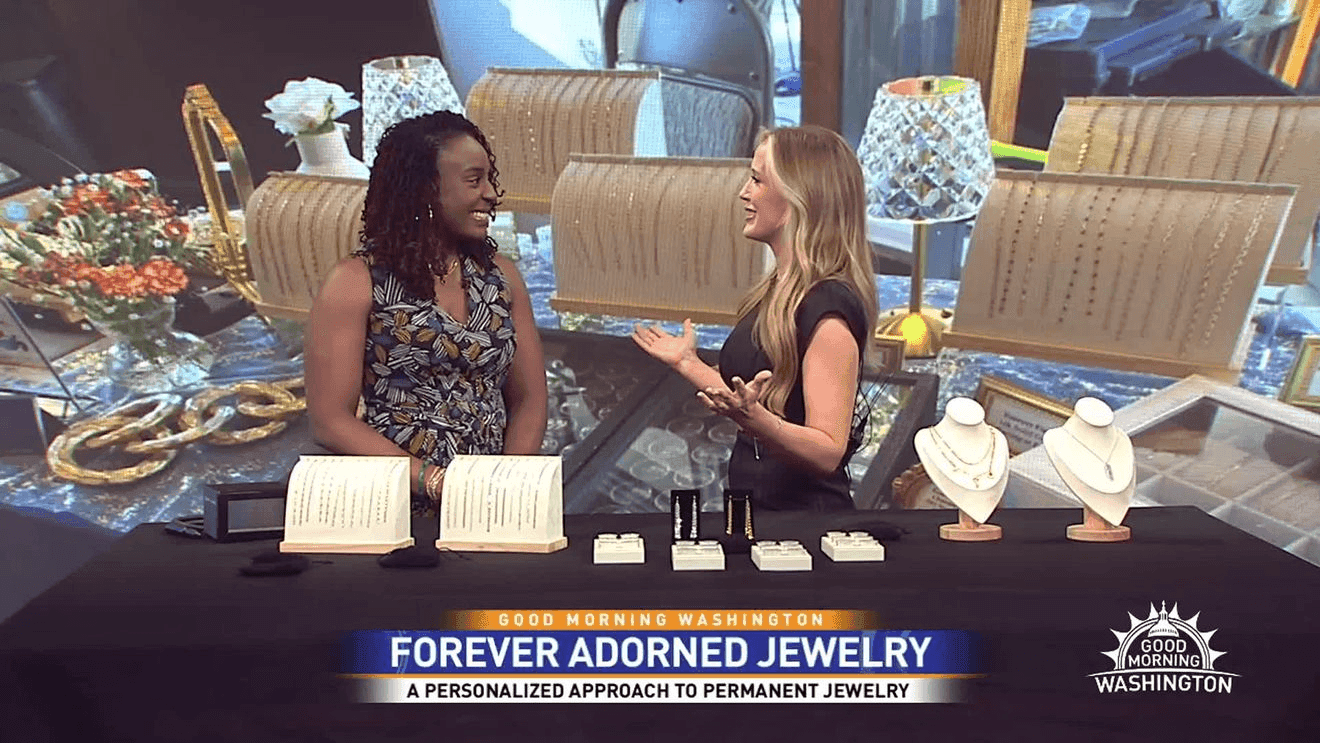
The same report noted that Good Stock’s charm bar went viral in mid-July and was selling out regularly. That kind of demand points to a bigger shift in behavior: shoppers want pieces that can be assembled, mixed, and customized, not just chosen off a rack. A charm bar gives that experience a tactile, lower-stakes version of bespoke design.
Mass-market players are leaning in as well. Claire’s x Theme launched charm bracelets and necklaces priced from $5.99 to $24.99, a range that shows exactly why the category has such reach. JCK described the effort as aimed at Gen Z and Gen Alpha, the latter defined as children born after 2010. Low prices make the trend easy to try, but the personalization gives it staying power beyond impulse.
Why designers are keeping charms in the mix
Luxury designers are treating charms as building blocks, not gimmicks. Jade Trau’s Spring/Summer 2026 collection added four new large charms and 12 mini versions, and the designer has said charms and rondelles let each chain evolve through layering, collecting, and personal meaning. That is the key idea behind the trend: a necklace can start small and keep changing, which makes it feel lived-in rather than finished.
National Jeweler’s June 2026 coverage also notes that the price of gold is influencing how many pieces designers make, what materials they use, and how they position collections. In practice, that means more selective use of metal, more careful sizing, and more attention to how a small piece reads when worn. Tiny charms fit that landscape perfectly because they offer impact without requiring a heavy precious-metal commitment.
What makes the category commercially smart
The timing is not accidental. Industry coverage in late 2025 said inflation, tariffs, and gold-price spikes were reshaping entry-level price points, while the U.S. jewelry market reached $85.4 billion in 2024 after growing 5 percent. In a market that large, the smallest pieces can still matter enormously because they are often the easiest entry point into a brand.
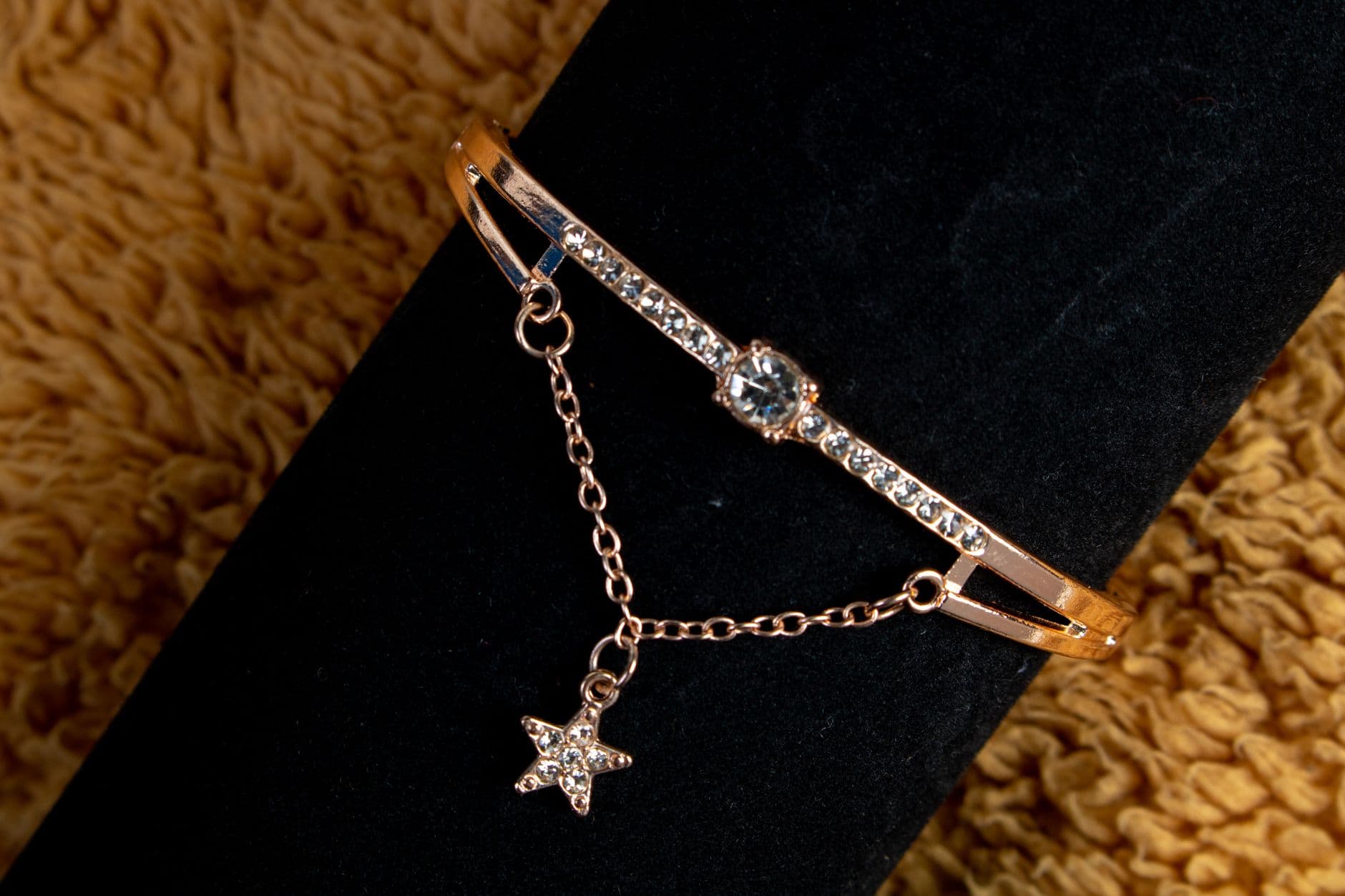
McKinsey’s jewelry research adds another layer: younger consumers increasingly favor brands that act responsibly and present a compelling identity online and offline. Tiny charms fit that preference because they are personal without being precious in an overstated way, and they travel well across platforms, from a product page to a stacked wrist on social media. The strongest charm programs do not just sell a pendant; they sell a visual shorthand for who the wearer is.
How to shop the trend with a sharper eye
The best charm pieces are the ones that feel specific, not generic. An engraved locket says more than a blank disc, a mini letter charm carries immediate emotional weight, and a spacer that keeps a collar necklace from tangling can be as useful as it is polished. In this category, the details matter because the whole point is to make something small feel deeply chosen.
- Look for clear material disclosure, especially when gold prices are pushing brands toward lighter construction or mixed materials.
- Check whether a piece is meant to be worn alone, layered, or added to an existing chain, because the best charm jewelry is designed to evolve.
- Favor designs with a visible personal hook, such as initials, talismans, or memory cues, rather than vague symbolism that could belong to anyone.
- If sustainability is part of the pitch, look for specifics rather than mood words. Responsible sourcing should be named, not implied.
Tiny charms are returning because they solve several problems at once: they soften the impact of higher metal prices, they reward layered styling, and they turn jewelry into something that feels authored by the wearer. That is why the category is resonating now, and why it looks less like a fad than a practical new way to wear meaning.
This article was produced by Prism’s automated news system from verified source data, official records, and press releases, then run through automated quality and moderation checks before publishing. The system is built and supervised by the people who set the standards it runs under. Read our full AI policy.
Know something we missed? Have a correction or additional information?
Submit a Tip