Vintage-inspired jewelry leads as independent retailers lean on storytelling
Vintage cues are winning because they read as value, memory, and custom potential. Independent jewelers are selling the look with story, movement, and tactile displays.

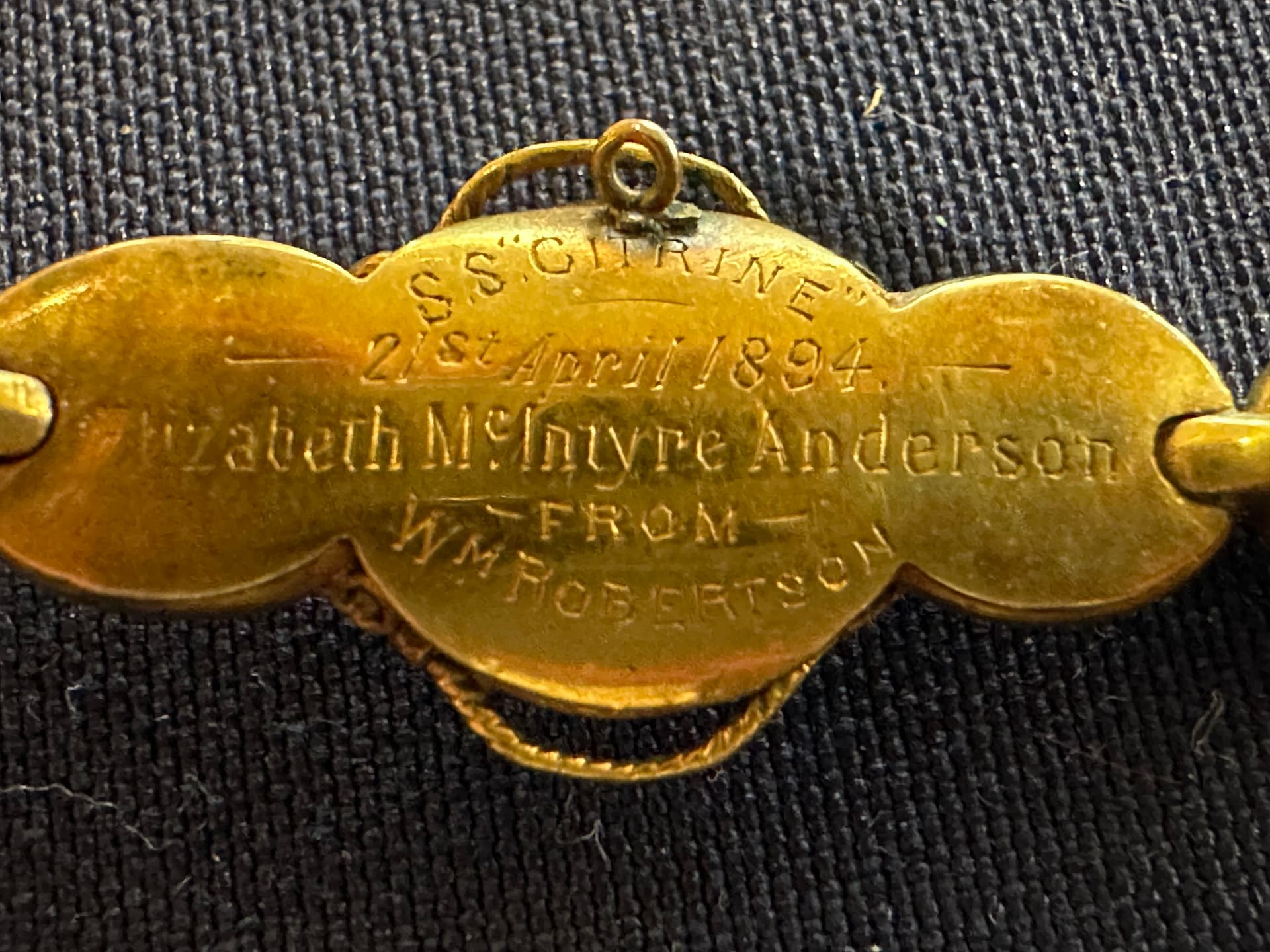
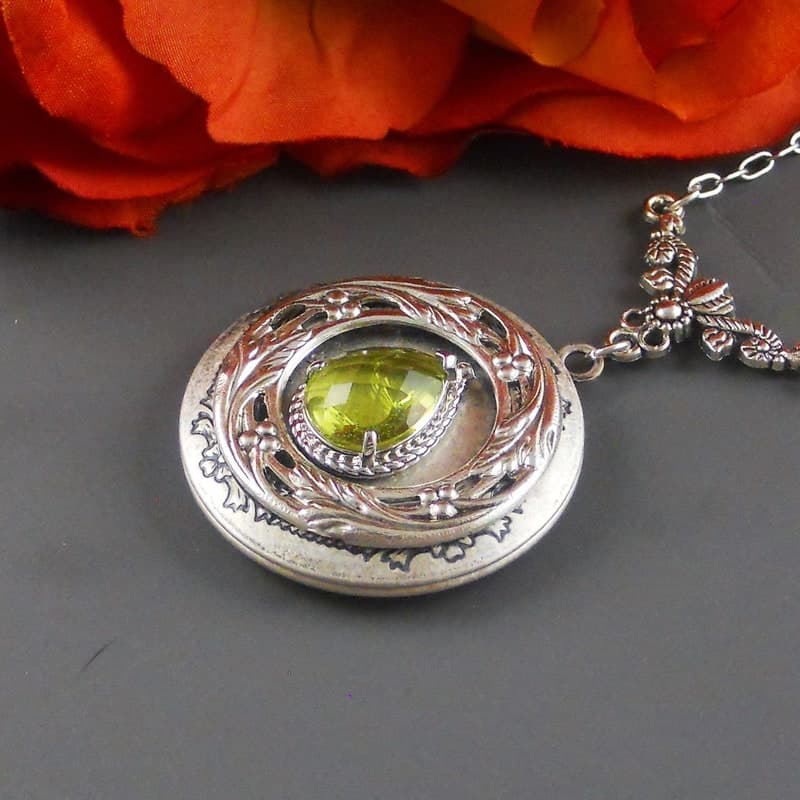
Vintage-inspired jewelry is the one trend independent retailers are leaning on with the most conviction, and it makes sense at the custom counter. In a market where gold prices are high and clients want pieces that feel personal, estate and vintage-inspired designs offer something new jewelry often cannot: an immediate story, a sense of history, and a clearer value conversation.
Why vintage is translating so well into custom work
Monica Lara of Argentum Et Aurum in Fond du Lac, Wisconsin, says antique and vintage jewelry is “reasonably priced compared to new with gold prices so high,” which is exactly why it is moving. That pricing logic matters for custom buyers, because it lets a client start with a recognizable era, a family memory, or a reference point and then shape the piece into something individual without feeling like they are paying only for fresh metal weight.
Jewelers Mutual’s 2026 forecast points in the same direction, noting that customer buying behavior, ethical sourcing, and innovations in gem cutting are shaping the year, while fluid shapes, modern stacking, and quiet luxury remain important. The strongest thread running through those ideas is storytelling. Clients are not only building wardrobes; they are building personal archives, mixing heirlooms with new designs, pairing different stone shapes, and choosing mixed metals in ways that make a stack feel lived-in rather than mass produced.
Stuller’s 2026 trend report makes the same argument from another angle. It places nostalgia and personalization at the center of the year, alongside bold scale, organic design, and expressive color, and says vintage-inspired jewelry is resurging as shoppers move away from fast fashion and toward pieces that endure. For anyone commissioning a one-of-one jewel, that means the vintage cue is less about imitation and more about adapting a language. A filigree shoulder, a halo with old-world proportions, a domed profile, or a step-cut center can all suggest heritage without becoming costume.
How retailers are making the story visible
Independent jewelers are not waiting for the trend to sell itself. They are staging it so the story is visible the second a client walks in. Susan Eisen of Susan Eisen Fine Jewelry & Watches in El Paso, Texas, uses old estate jewelry boxes salvaged from estate purchases as display vessels, which gives the cases a sense of provenance before the jewelry is even handled. Barry Fixler of Barry’s Estate Jewelry in Bardonia, New York, keeps vintage pieces in a dedicated case and has a young staffer wear them on the floor during the day, turning the merchandise into something moving, wearable, and easy to imagine on a real person.
That kind of presentation matters because the best custom sale often begins with recognition. A client sees a piece, or a fragment of one, and instantly understands what it could become. The emotional shift is not abstract; it is the moment a person decides that a pendant, ring, or bracelet could be remade to carry a daughter’s name, a family stone, or a milestone date without losing its character.
Amy Hunnefield of Pickett Brothers Jewelers in Jacksonville, Florida, said sharing the story behind a design draws customers into details they might otherwise overlook. That is the retail sweet spot for personalized jewelry. Once a buyer knows why a setting was built a certain way, or where a motif came from, they are more open to changing the stone, adjusting the scale, or adding engraving that makes the piece theirs.
Red stones, tassels, and alternative materials need different selling tools
The rest of the year’s trend map is more uneven. INSTORE’s roundup also pointed to red gemstones, tassels, and alternative materials, but retailers said those categories are not landing with the same consistency across markets. Some Midwest and smaller-market jewelers said national trends tend to arrive 6 to 18 months later, which means the same piece can feel current in one city and ahead of the curve in another.
That gap is why red stones, tassels, and alternative materials are better treated as customization opportunities than as off-the-shelf directives. Red gemstones can work beautifully in a bespoke ring, a line bracelet, or a pendant with a modern bezel, especially when the color choice is tied to a birthstone, anniversary, or family reference. Tassels, meanwhile, are about motion. Denise Oros of Linnea Jewelers in La Grange, Illinois, uses a revolving solar turntable to show tassel jewelry in motion, which is the right instinct because these pieces depend on swing, light, and movement to do their best work.
Alternative materials fit the same logic, even when the demand is less uniform. They gain traction when they are presented as a conscious design choice, not a vague novelty. In the custom arena, that can mean choosing a material because it feels lighter, more architectural, or more ethically aligned with the client’s priorities. If the material story is unclear, the sale is weaker; if the jeweler can explain why the material belongs in the piece, it becomes part of the value.
What’s happening in smaller markets
Not every store sees the same trend cycle at the same pace. Marc Majors of Sam L. Majors in Midland, Texas, said trends differ in his market and that he gave up trying to market trends years ago. That is less cynical than it sounds. In places where buyers are highly practical and taste evolves on its own timetable, the sale often comes down to trust, taste, and whether the jeweler can make a piece feel specific to the wearer rather than fashionable in the abstract.
That regional lag is useful for custom work because it reminds jewelers to sell the story, not the headline. A client may not care that a look is trending nationally. They care that it feels right for a graduation, a new baby, a personal anniversary, or a self-purchase meant to mark a private achievement.
Why personalized jewelry keeps gaining ground
The larger market backdrop explains why all of this is resonating now. A separate independent-jeweler-focused trend analysis says jewelry growth is projected at roughly 4 to 5 percent annually through 2028, and that over 40 percent of women buy jewelry for themselves. That is a meaningful shift in how pieces are chosen, because self-purchase invites more nuance. It is less about ceremony alone and more about identity, memory, and the wish to wear something that says something specific.
That same commentary notes that bespoke work, resets, birthstones, engraving, and gemstone selection are increasingly tied to milestones, relationships, achievements, identity, and memory. Put alongside the vintage resurgence, the message is clear: the winning piece is no longer just pretty, it is legible. It should carry a story in the metal, the stone, the shape, or the way it is shown on the sales floor.
For independent jewelers, that is where the opportunity lives. Vintage-inspired design gives clients a head start, but storytelling, tactile display, and careful material choices are what turn a trend into a one-of-one commission that feels personal the moment it is tried on.
This article was produced by Prism’s automated news system from verified source data, official records, and press releases, then run through automated quality and moderation checks before publishing. The system is built and supervised by the people who set the standards it runs under. Read our full AI policy.
Did this article answer your question?