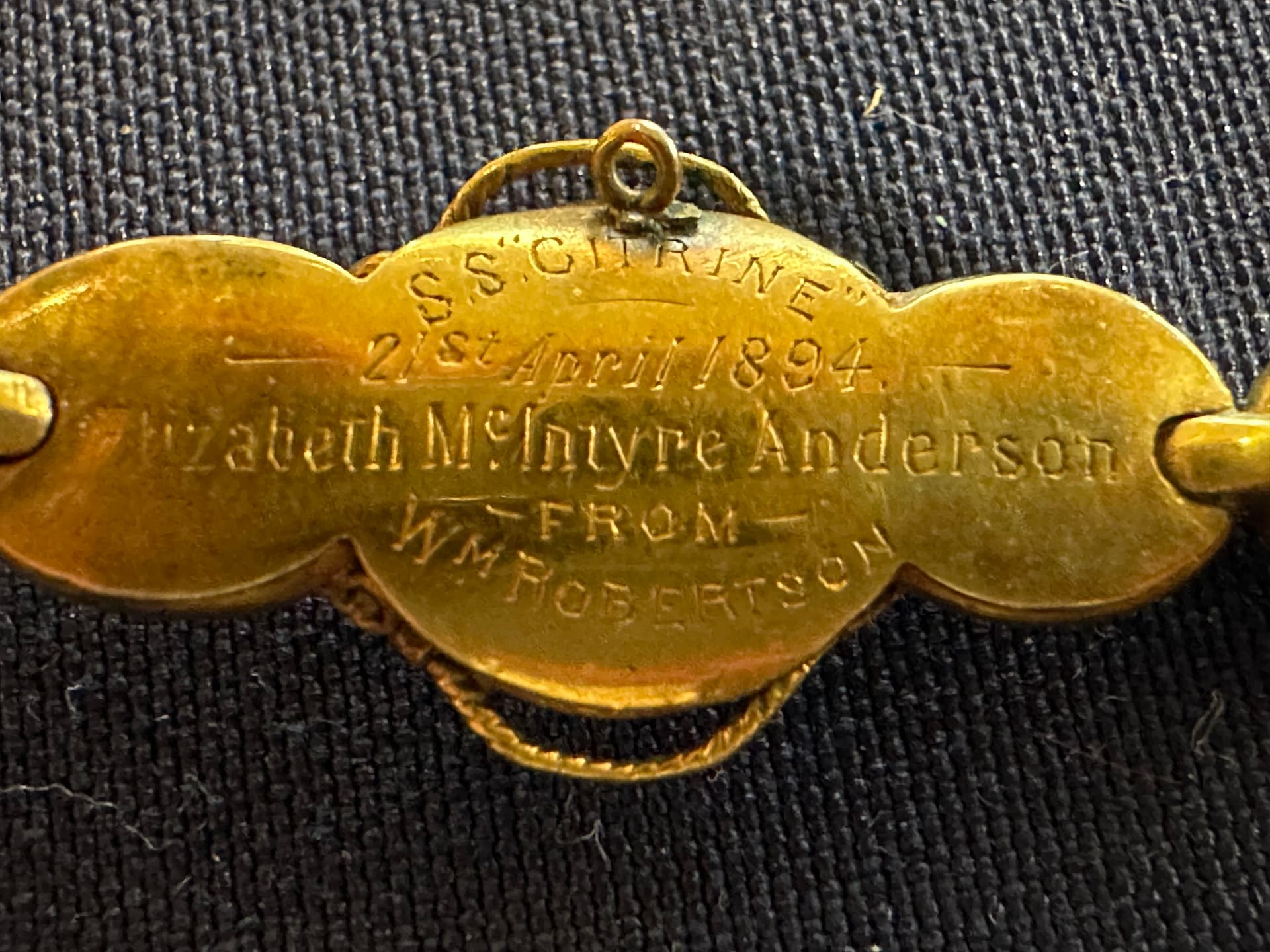
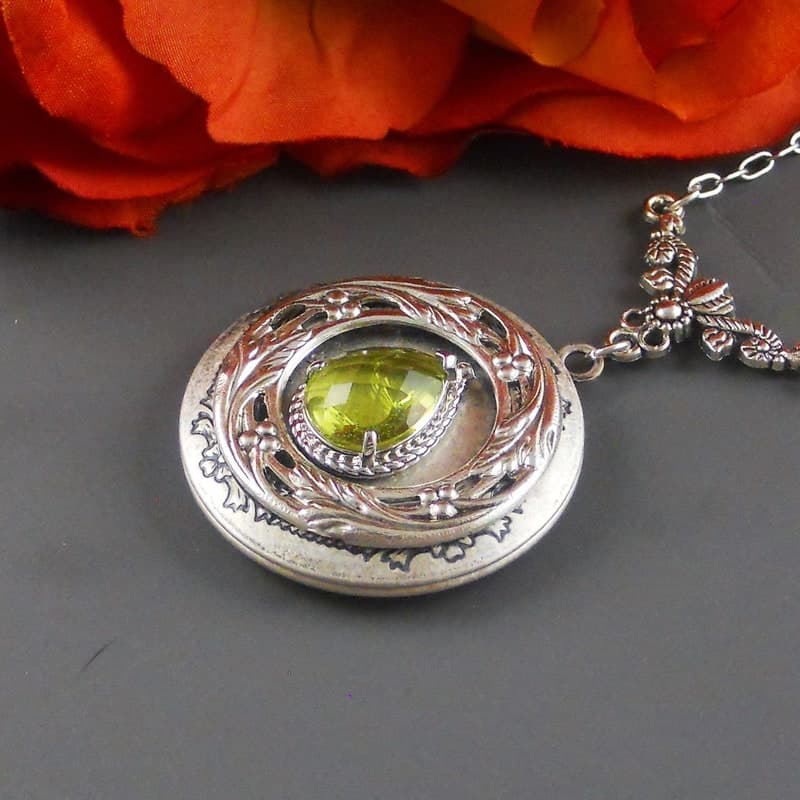
White metals cool down summer jewelry style after gold dominance
White metals are back in the styling conversation, and personalization looks sharper for it. Silver, white gold, and platinum make engraving, diamonds, and heirlooms read with new clarity.
White metals are back in the language of personalization
White metals are slipping back into the center of jewelry style, and the shift matters most when a piece is meant to say something. After years of yellow-gold dominance, silver, white gold, and platinum are giving names, dates, monograms, and heirloom stones a cleaner, cooler frame, which makes the personal details feel more deliberate and less decorative.
That is why this turn is bigger than a color trend. White metals change the way engraving reads, how diamonds flash, and how a custom jewel wears against the skin. They also fit the more curated, layered way people are dressing now, where stacks are considered, mixed metals feel intentional, and quiet luxury has traded maximal shine for sharper editing.
Why the market is rotating now
The market backdrop has helped white metals reenter the conversation. The silver market was forecast to post another significant deficit in 2025, the fifth consecutive annual deficit, while industrial demand was expected to surpass 700 million ounces. At the same time, 53% of jewelry retailers said silver jewelry sales increased in 2024, and 63% said holiday silver sales rose versus the 2023 season. Those numbers matter because they explain why silver no longer feels like a fallback metal. It is increasingly part of the fashion and fine-jewelry dialogue again.
Rising gold prices have also nudged designers to rethink what they make and how they position it. In practical terms, that has opened the door for more white-metal pieces, from accessible silver to high-jewelry platinum, especially as clients look for styles that feel wearable every day but still carry enough substance to become part of a personal archive.
What white metal does best in personalized jewelry
White metals have a particular gift for personalization because they sharpen contrast. Engraved letters read crisply on a polished white-gold or platinum surface, and diamonds appear brighter when they are set against a cooler backdrop. That is one reason bezel settings have become especially appealing in white-metal pieces: the smooth rim around a stone creates a clean, graphic finish that feels modern and protects edges at the same time.

This is where metal choice matters as much as the message. A prong setting can make a stone seem to float, which suits some designs beautifully, but a bezel gives a custom piece a more defined silhouette. For initials, dates, or names that are meant to feel permanent, that structural clarity is part of the appeal. White metal also suits reset heirlooms, because it can quiet down an inherited stone and let the craftsmanship, rather than the color of the metal, do the talking.
The pieces that define the shift
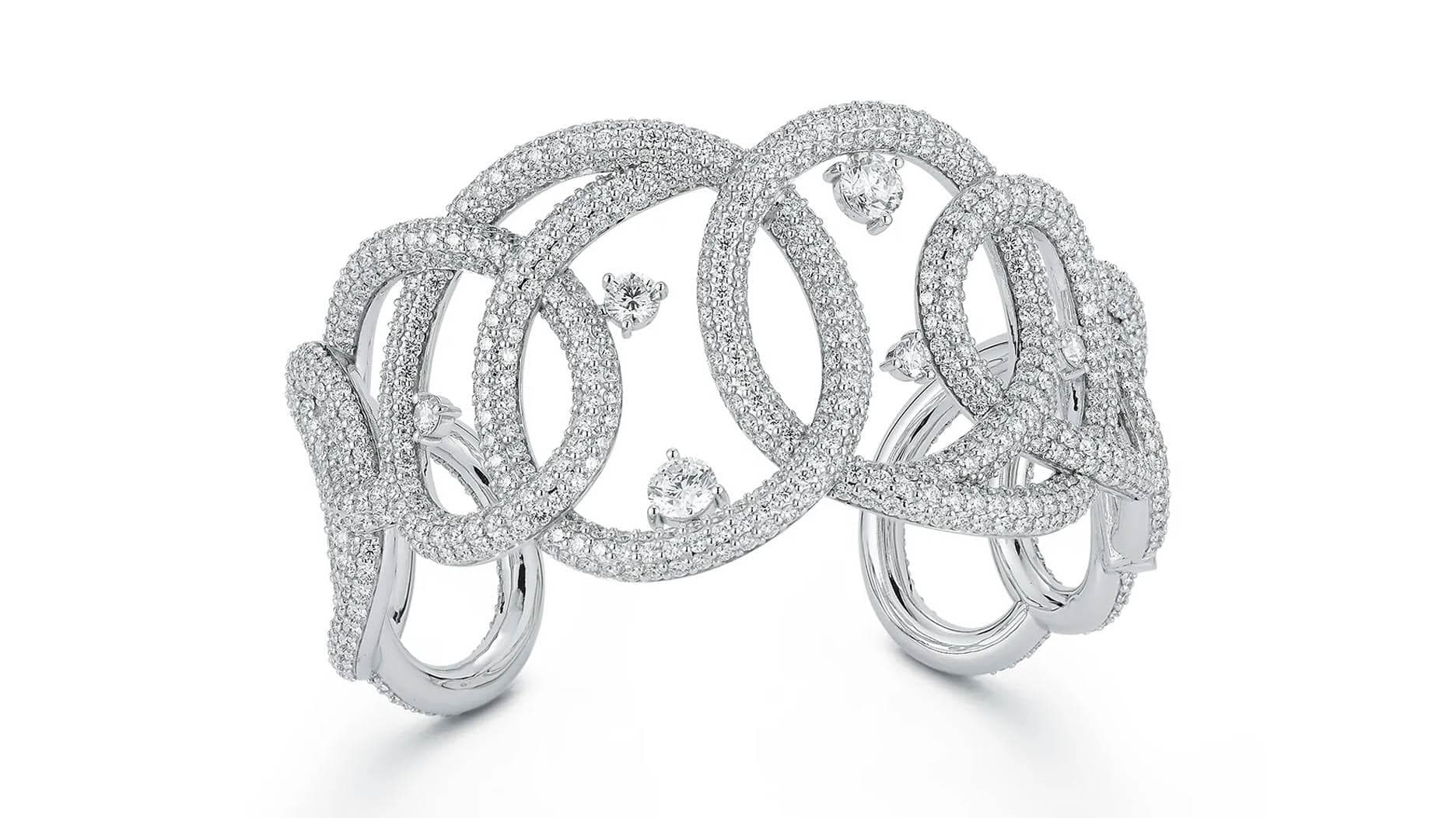
The range of white-metal jewelry now running from accessible to exceptional says a lot about the category’s breadth. Yvonne Léon’s 18-karat white-gold Bague Écrevisse ring, priced at $7,513, is sculptural and polished, the kind of piece that turns a hand into the focus without needing extra ornament. Ali Weiss’s full diamond bezel hand chain and bracelet in 14-karat white gold, at $1,575, shows how white metal can make sparkle feel architectural rather than overly precious.
At the high end, Anthony Lent’s platinum Emotions ring at $8,920 and Walters Faith’s 18-karat white-gold and diamond bracelet at $95,000 remind you that white metals are not just about restraint. They can be serious investment pieces, especially when the setting and proportion are doing the visual heavy lifting. Platinum, in particular, has the heft and durability that make it feel suited to future heirloom status.
The broader edit also includes Ashi Diamonds’ cultured pearl and diamond necklace in 14-karat white gold at $10,999, Featherstone Fine Jewelry’s platinum Valentine Blues bracelet with amethyst, tanzanite, iolite, and diamonds priced on request, Jemma Wynne’s 18-karat white-gold earrings at $22,050, and LYLIE Jewellery’s platinum tennis bracelet at $10,185. Together, those pieces show how white metal can act as a gallery wall for everything from pearls to vivid blue-violet gemstones to line-by-line diamond work.
When to choose a white-metal custom piece
- engraved rings, pendants, and cuffs where names or dates need crisp contrast
- diamond-forward designs that should look bright and clean
- heirloom updates that need a modern reset without losing sentiment
- mixed-metal stacks, where white metal can cool down yellow-gold pieces or anchor them visually
White metal is the strongest choice when you want the personalization to be seen, not hidden. It is especially compelling for:
Silver is the easiest way in, especially if you are building a collection or testing a style shift. White gold brings the familiar polish of gold with a cooler finish, while platinum offers the most weight, the highest sense of permanence, and a quietly luxurious surface that wears well over time.
When yellow gold still makes more sense
Yellow gold is not losing its relevance; it is simply no longer the only language of luxury. It still makes the most sense if you want warmth, an antique note, or a piece that feels more sunlit than architectural. Yellow gold is also the better fit for some vintage-inspired designs, where the romance of the metal is part of the story rather than a neutral frame for the story.
If your wardrobe is already deeply yellow-gold, staying with that palette can make a custom piece feel more seamless. But if you are engraving, resetting, or updating a family jewel, white metal often gives the design more precision. It lets the personal element read first.
The new luxury is deliberate contrast
The return of white metals is not a rejection of gold so much as a correction of the overstatement that followed it. Clients are choosing pieces that feel more edited, more personal, and easier to live with, whether that means a silver bracelet stacked with a gold watch or a platinum ring that makes a date engraving feel almost etched in light. In that landscape, white metals do something gold cannot always do as clearly: they turn sentiment into line, sparkle, and structure.
This article was produced by Prism’s automated news system from verified source data, official records, and press releases, then run through automated quality and moderation checks before publishing. The system is built and supervised by the people who set the standards it runs under. Read our full AI policy.
Did this article answer your question?