Wholesalers Embrace Flexible Production as Demand for Personalized Jewelry Grows
Wholesalers are ditching standardized bulk runs for flexible, configurable production as bespoke jewelry demand reshapes the B2B supply chain.
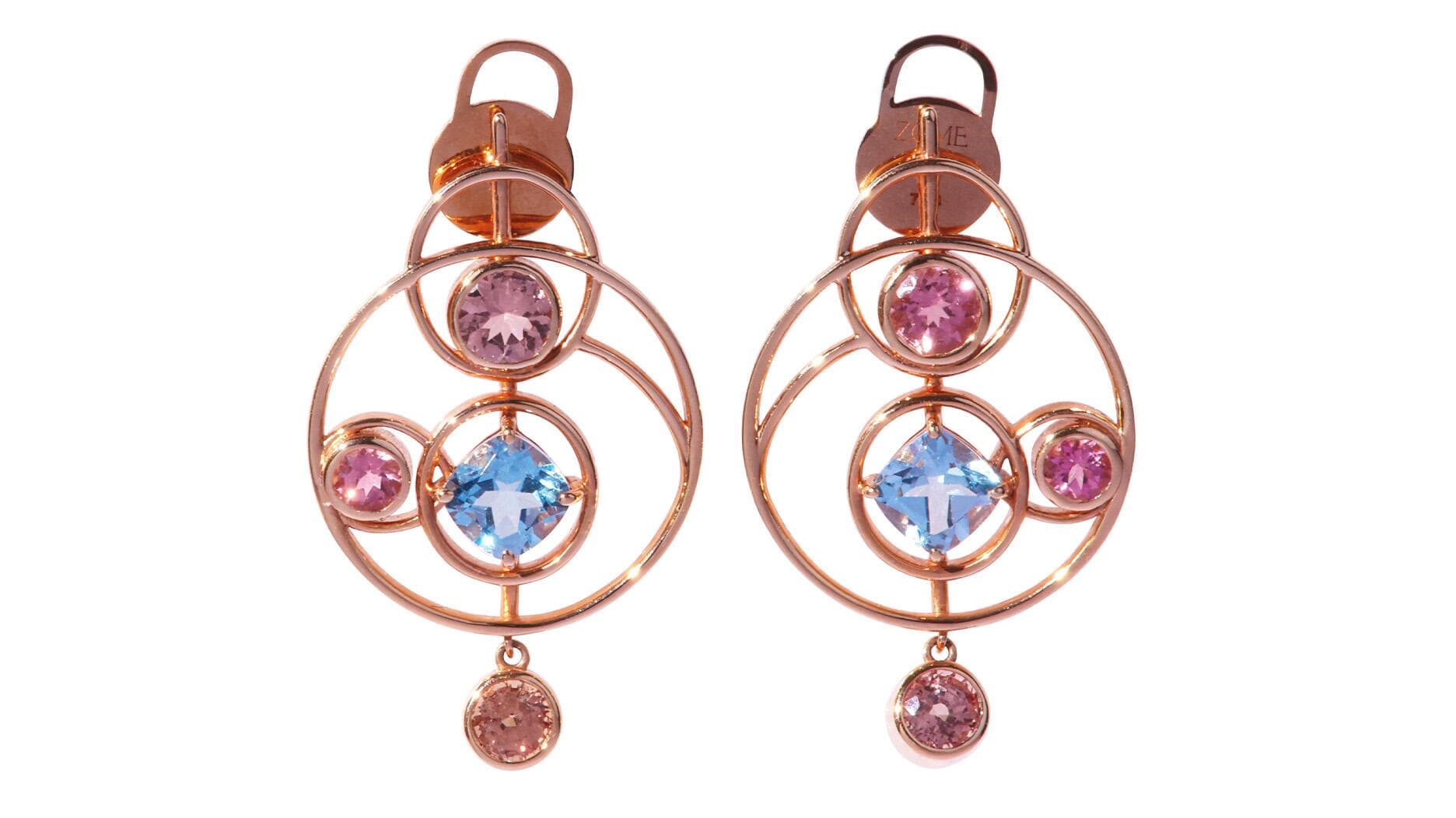
Something has shifted in the back rooms of jewelry wholesale. The conversations that once centered on minimum order quantities and standardized SKUs are giving way to a different vocabulary: configurable options, shorter production runs, bespoke commissions handled at scale. The personalized jewelry market, long the domain of small artisan studios and high-end ateliers, has pushed its way into the wholesale tier, and suppliers are scrambling to keep pace.
Why personalization is no longer a niche
For decades, the wholesale jewelry model ran on predictability. A retailer would commit to a large standardized run, a manufacturer would produce it efficiently, and the economics worked because volume absorbed the cost of setup, tooling, and labor. Personalization disrupted that equation almost entirely. Consumers now arrive at the point of sale expecting to choose: a birthstone here, an engraved initial there, a chain length adjusted to suit. What was once a premium add-on has become a baseline expectation across price points, from fashion jewelry to fine.
The pressure this creates upstream is considerable. A retailer who needs ten variations of the same ring design in rotating inventory cannot wait for a 500-unit minimum order. They need a supplier who can produce 30 units of one configuration this month and pivot to a different metal finish or stone combination the next. That agility, traditionally the enemy of wholesale economics, is now the entry price for doing business in the personalized segment.
How wholesalers are restructuring production
The shift wholesalers are making is structural, not cosmetic. Moving from large standardized runs to shorter, more configurable production requires rethinking workflows, tooling strategy, and supplier relationships at every level of the supply chain.
Configurable options are central to this transition. Rather than producing a finished piece, some wholesalers are now effectively producing platforms: a base design with documented variation points where a retailer or end customer can specify stone type, metal color, engraving text, or setting style. This modular approach allows a single production setup to serve dozens of distinct finished outcomes, partially recovering the efficiency lost when batch sizes shrink.
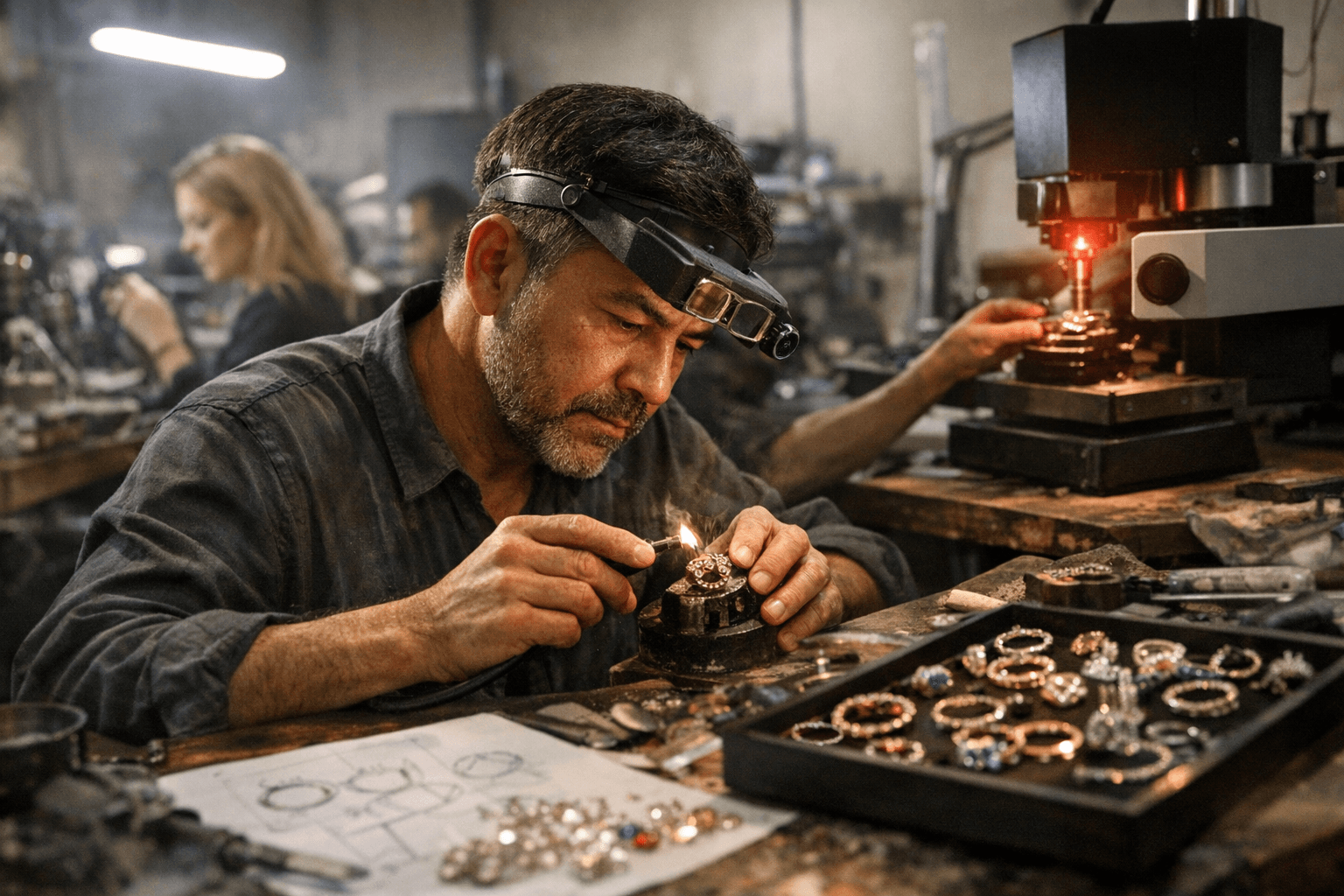
Shorter runs also demand faster turnaround times and tighter quality control at smaller volumes. In a high-volume standardized environment, quality issues are caught across a large sample and corrected in the next batch. In a short-run personalized context, there may be only one piece of a given configuration, which means the margin for error collapses. Wholesalers investing in this space are necessarily investing in more skilled bench work, better intermediate inspection, and in some cases digital tools that reduce the number of steps between design specification and physical production.
What this means for retailers sourcing personalized pieces
If you are sourcing personalized jewelry at the wholesale level, the landscape looks meaningfully different than it did even three or four years ago. More suppliers are now equipped to handle configurable orders, but the quality and ethics of that production vary enormously, and the personalization label covers a wide range of actual practices.
When evaluating a wholesale partner for personalized work, consider:
- Whether the supplier owns its production or works through intermediaries, since shorter runs require tighter communication and outsourced chains introduce delay and quality risk
- How the supplier handles metal sourcing and whether they can document the provenance of materials used in custom pieces, where lot traceability becomes harder
- What gemstone certification accompanies stones used in configurable settings, particularly if customers are specifying colored stones by variety or origin
- Whether the supplier's configurable options are genuinely flexible or are simply a preselected menu of two or three variations dressed up as bespoke
That last point matters more than it might seem. True configurability in jewelry wholesale means a supplier has the tooling, skilled labor, and inventory depth to execute meaningfully different outcomes from the same base design. A supplier who offers "personalization" in the form of a choice between gold and silver plating is not operating in the same category as one who can set a customer-specified sapphire in a choice of prong or bezel configuration with a custom-engraved interior.
The provenance question in personalized production
Personalized jewelry presents a specific challenge for anyone who cares about ethical sourcing: the shorter the run and the more configurable the piece, the harder it becomes to maintain the documentation trail that responsible sourcing requires. A large standardized production run can be tied to a specific batch of certified recycled gold or a specific parcel of Fairmined material with relative ease. A one-off configurable piece draws on whatever is in inventory at the time of the order.
This is not an insurmountable problem, but it requires wholesalers to have made their ethical sourcing commitments at the material intake level rather than at the point of sale. A supplier who can genuinely say that all metal inventory entering their production, regardless of what it becomes, meets a defined standard, is a far more credible partner than one who offers certification selectively on large orders. Ask specifically about this when sourcing for personalized work. Vague references to "responsible sourcing" or "conflict-free materials" without reference to specific certification bodies, whether that is Fairmined, the Responsible Jewellery Council, or SCS Global Services, should prompt follow-up questions, not reassurance.
The broader industry moment
What is happening in wholesale is a structural response to a consumer shift that shows no sign of reversing. The desire for jewelry that carries personal meaning, that marks a specific relationship or moment rather than a generic aesthetic preference, has become durable demand rather than a passing trend. Wholesalers who have recognized this and invested in the operational flexibility to serve it are finding themselves better positioned not just for the personalization segment but for the broader move toward smaller, more considered retail inventory.
The suppliers who will define this space over the next decade are those who understand that flexibility and accountability are not competing values. Shorter runs and configurable options are only a genuine offering when they are backed by the material traceability and craftsmanship standards that make a personalized piece worth the premium a customer pays for it. The wholesale tier is catching up to that understanding, and the retailers who choose their partners accordingly will be the ones whose personalized offerings hold up to scrutiny long after the piece leaves the display case.
This article was produced by Prism’s automated news system from verified source data, official records, and press releases, then run through automated quality and moderation checks before publishing. The system is built and supervised by the people who set the standards it runs under. Read our full AI policy.
Did this article answer your question?