World Cup jewelry goes personal with engraved pendants and team colors
The 2026 World Cup is turning fan jewelry into everyday style, with engraved pendants, team-color stones, and lab-grown pieces built to outlast the tournament.
The 2026 World Cup is already changing the way fans wear allegiance. Instead of loud logo gear that disappears after the final whistle, jewelry is leaning into personalization, with engraved pendants, initial charms, team-color beads, and lab-grown diamond pieces that read as keepsakes long after the matches end.
A global tournament, distilled into something you can wear
The scale of this World Cup explains the jewelry rush. The tournament runs from June 11 to July 19, 2026, spans 48 teams and 104 matches, and unfolds across 16 host cities in Canada, Mexico, and the United States. The final is set for July 19 at New York New Jersey Stadium in New Jersey, a fitting stage for a competition that now stretches across an entire continent.
FIFA’s confirmation of 1,248 players representing 48 nations on June 2 only sharpens the point: this is a tournament with enough reach to turn national pride into a retail language of its own. Jewelry, unlike a jersey or a hat, can carry that feeling in a subtler register. A pendant engraved with a place name or a bracelet strung in flag colors can move from stadium to office to dinner table without feeling like a costume.
Why personalization is the story, not just branding
The most interesting pieces in the market are the ones that let the wearer write themselves into the event. JCK has tracked brands covering soccer balls in diamonds, turning ball material into necklaces, and collaborating on pieces that make the sport feel less like merchandise and more like design. Karen Dybis and Annie Davidson Watson have also pointed to the way the category is shifting toward identity-led fan jewelry rather than simple souvenir buying.
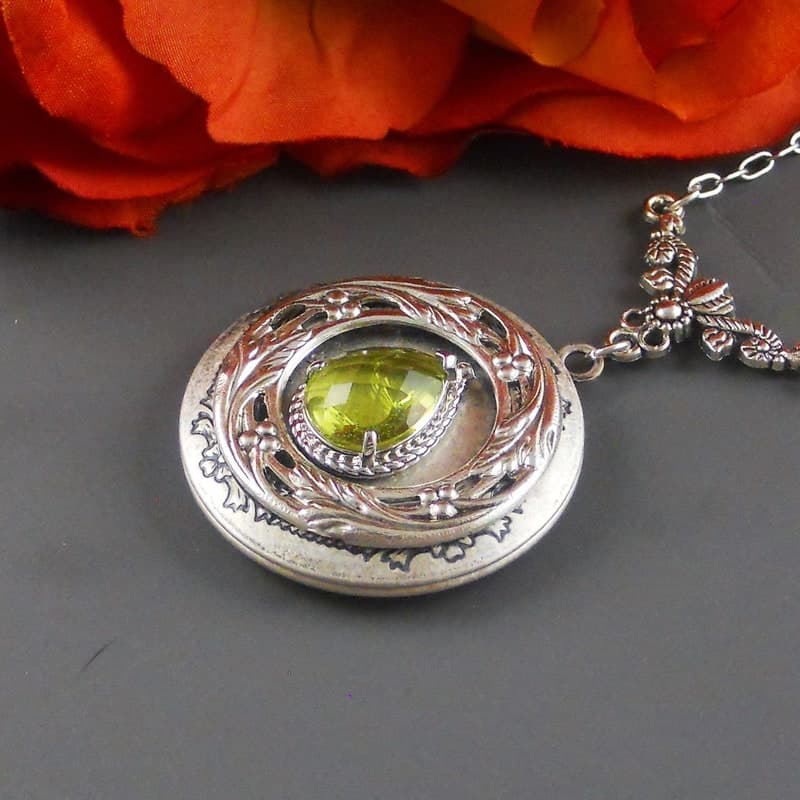
That shift matters because personalization is doing two jobs at once. It signals fandom, but it also gives the piece a life after the tournament. An initial charm can stay in a rotation for years. A small engraved pendant, especially one with a clean silhouette and restrained scale, can layer with fine chains the same way a favorite medallion or signet would.
High-end names such as Jacob & Co. bring the spectacle, while makers like Renaissance Jewel and smaller marketplace sellers are translating the same cultural moment into more approachable formats. The result is a broad spectrum, from collectible statement pieces to items that are easy to stack, gift, or wear every day.
Engraving is doing the heaviest lifting
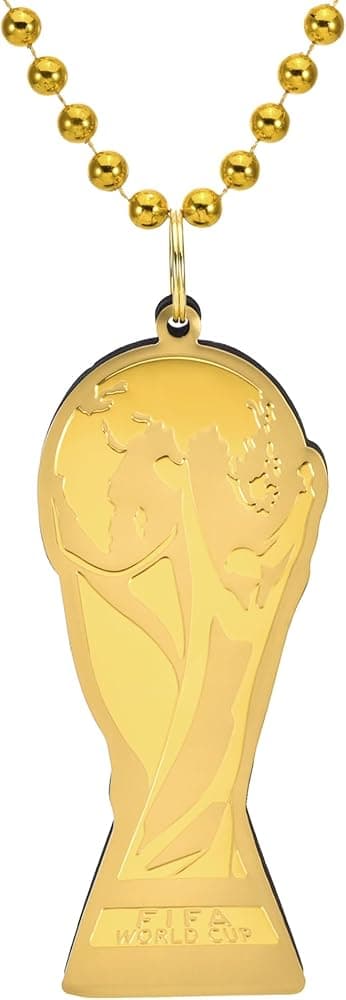
If there is one detail that makes this trend feel especially wearable, it is engraving. A World Cup-themed pendant engraved with the host nations as USA Mexico Canada turns a generic soccer motif into a map of the event itself. That kind of inscription is more elegant than a printed logo because it gives the metal an actual narrative surface.
Engraved pendants also make sense from a styling perspective. They tend to be cleaner than heavily embellished novelty jewelry, which means they layer better with diamond necklaces, chain bracelets, and other personal staples. In a market crowded with flags and mascots, engraving is the quiet detail that lets the piece feel finished rather than promotional.
Lab-grown diamonds and the rise of collectible fan jewelry
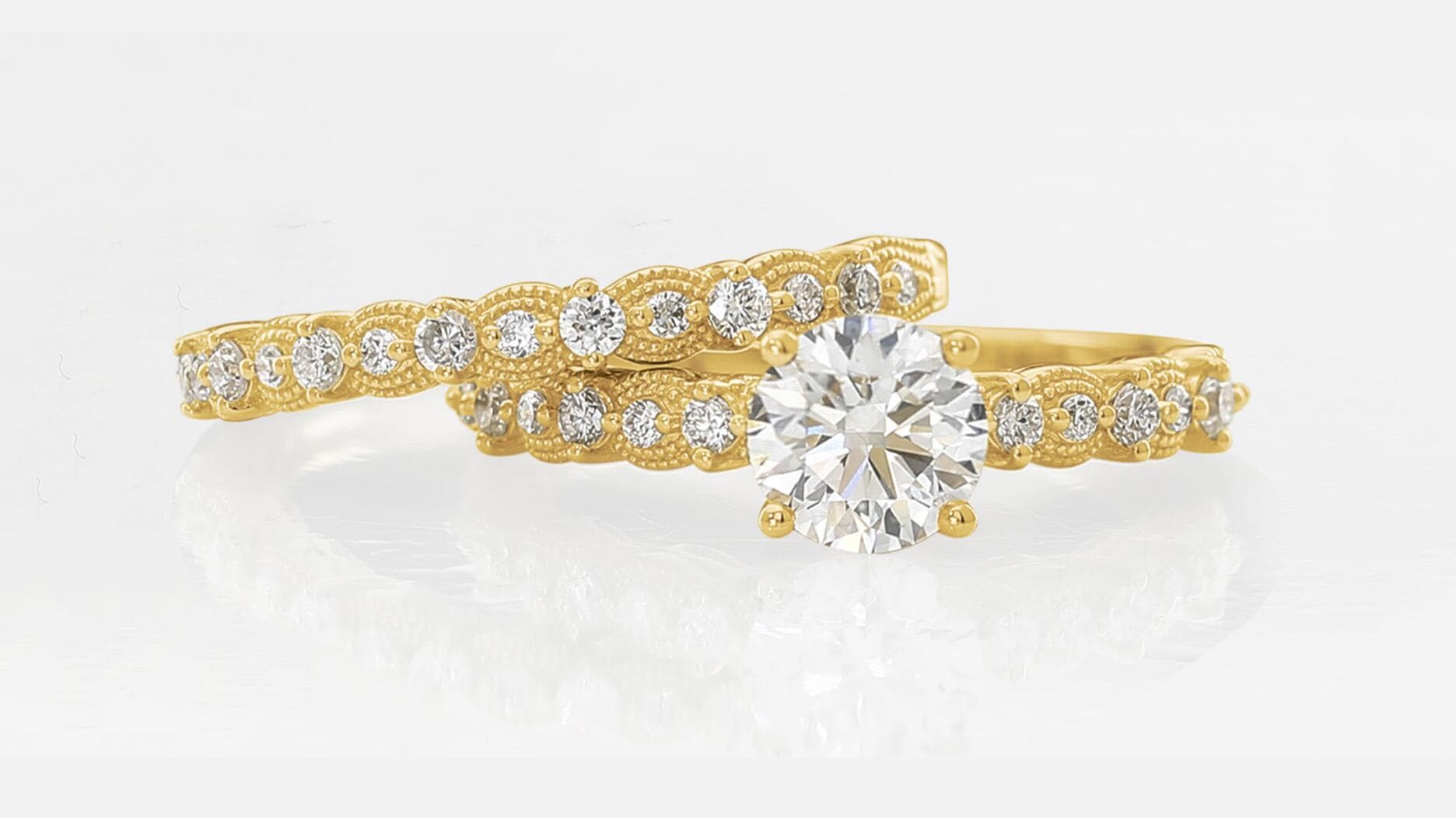
One of the clearest signs that this category is being treated seriously is the FIFA World Cup 2026™ lab-grown-diamond soccer pendant, which is being sold in a limited edition of 10,000 pieces worldwide. Lab-grown stones make sense here for two reasons: they give the piece a brighter, more polished finish, and they keep it in the realm of aspirational jewelry instead of pure novelty.
That distinction is important. A diamond-covered soccer ball can read as excess, but a well-proportioned lab-grown pendant can feel like a miniature trophy. In other words, the stone choice changes the tone. It moves the piece away from disposable fan gear and toward something with the grammar of fine jewelry, especially when the setting is clean and the proportions are controlled.
For readers who care about how jewelry is built, setting style matters as much as the stones themselves. A bezel setting, which wraps metal around the stone, will usually feel more secure and better suited to everyday wear. A prong setting allows more light into the stone, which can create more sparkle, but it also leaves the gem more exposed. For a piece meant to survive a season of celebrations, travel, and stacking, that difference is not trivial.
The wearable pieces will outlast the final
The most durable World Cup jewelry will probably be the least literal. Team-color bead necklaces, initial charms, and slim engraved pendants are the pieces most likely to remain in rotation after July 19, because they can be worn as personal jewelry first and fan jewelry second. The best examples are not shouting the competition so much as folding it into a private color story.
Retail marketplaces are already leaning into that logic. Etsy listings for World Cup 2026 jewelry include bracelets, earrings, pins, and custom fan accessories, which shows how quickly the event is being translated into small, customizable objects. That breadth matters because not every fan wants a logo-heavy pendant; some want a flag earring in a team hue, a lapel pin that sits neatly on a blazer, or a bracelet that can be mixed into an existing stack.
The more successful pieces in this wave understand that fandom now lives in layers. A pendant can mark the host nations, a bead bracelet can echo team colors, and an initial charm can keep the look personal rather than purely commemorative. In a tournament this large, jewelry becomes less about souvenir culture and more about identity, which is why the pieces that feel most exacting today are the ones most likely to endure tomorrow.
This article was produced by Prism’s automated news system from verified source data, official records, and press releases, then run through automated quality and moderation checks before publishing. The system is built and supervised by the people who set the standards it runs under. Read our full AI policy.
Did this article answer your question?