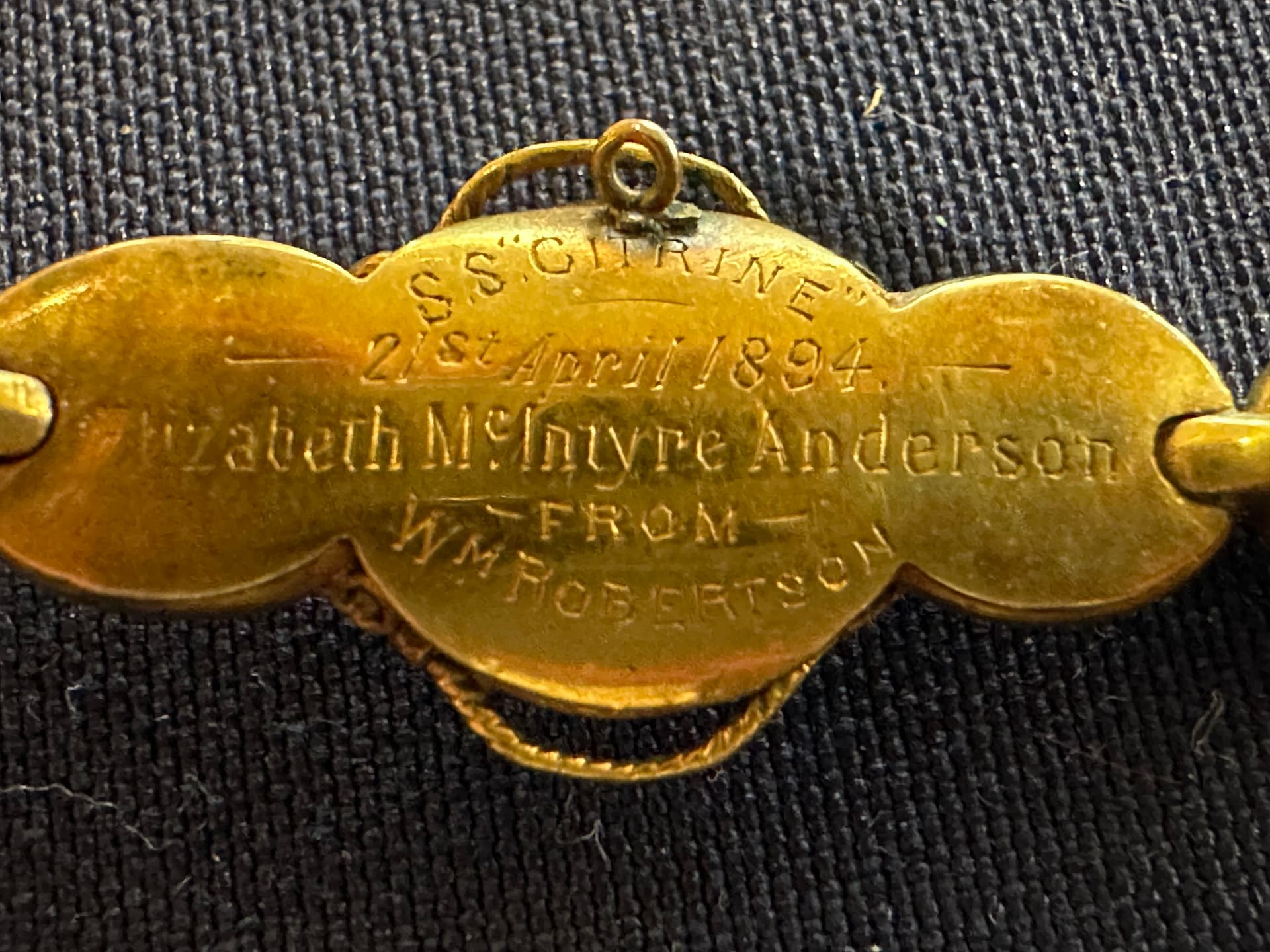
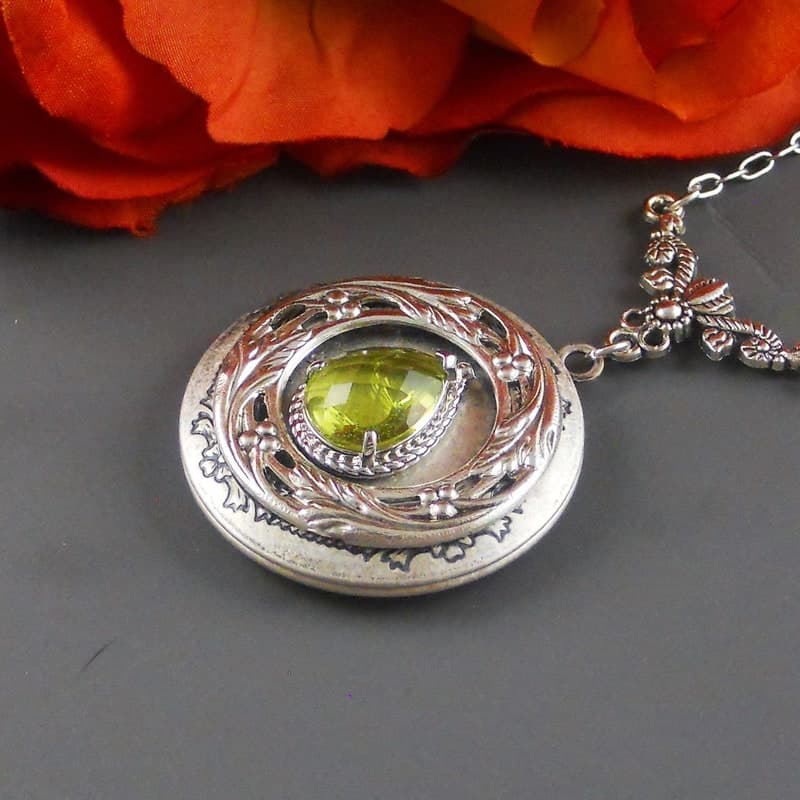
Zulu beadwork inspires modern personalized jewelry with symbolic meaning
Zulu beadwork turns color into coded emotion, and modern personalized jewelry can borrow that idea with more meaning, not more noise.
A personal message before it is ornament
The strongest personalized jewelry rarely begins with sparkle. It begins with a message, a private one: a daughter’s name tucked into a charm, a mother’s birthstone set beside a family initial, a relationship marked in color rather than words. Zulu beadwork offers one of the clearest examples of jewelry as encoded design, where color, pattern, and arrangement carry identity, affection, and status with far more force than decoration alone.
Beads as a visual language
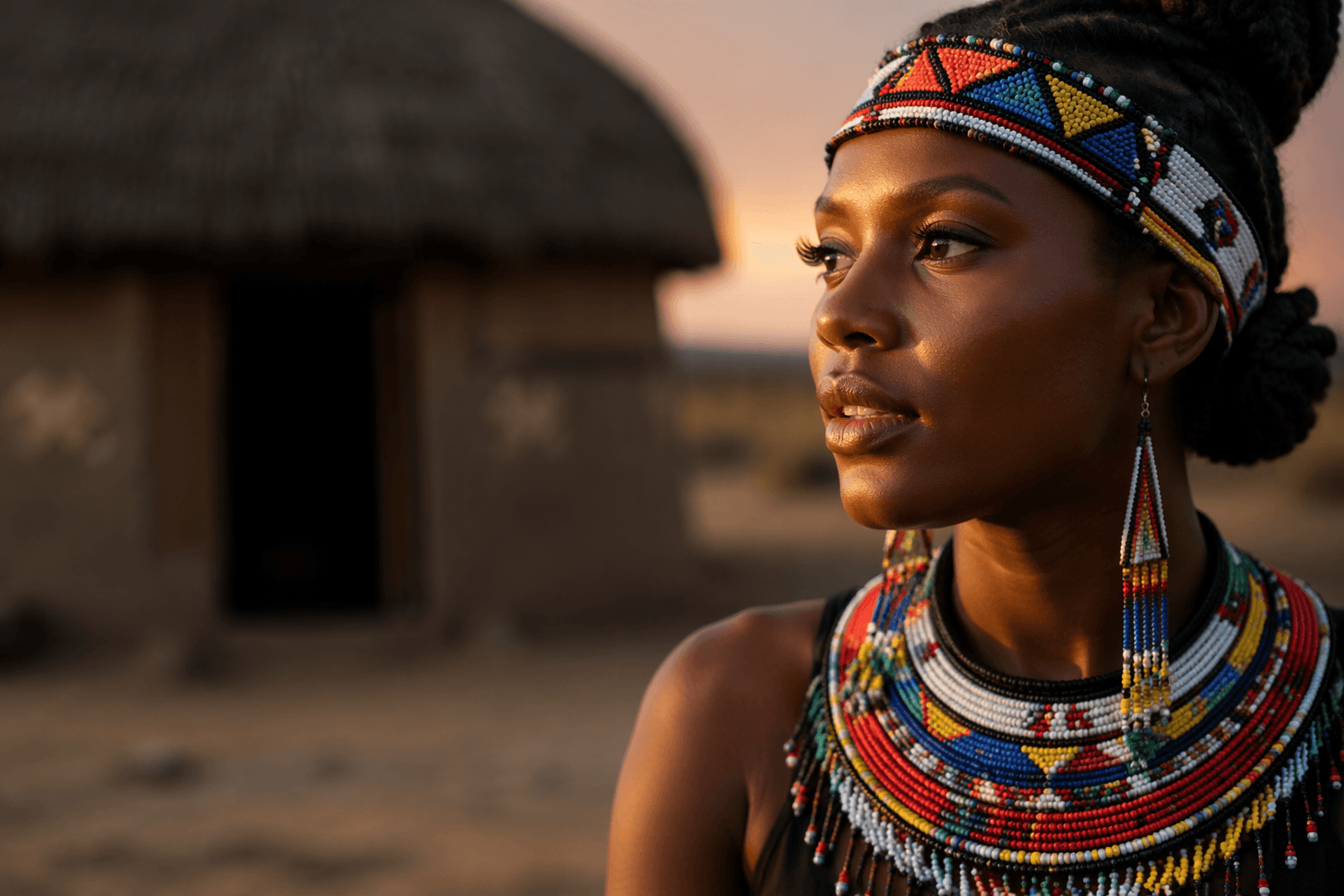
Zulu beadwork has long functioned as a language of its own. Museum and gallery sources describe it as a way to communicate emotions, social standing, rites of passage, and courtship messages between lovers. In the late nineteenth century, beadwork took on especially strong symbolic meaning in Zulu courtship as trade beads became more available in rural areas and centralized Zulu authority weakened.
That history matters because it shows beadwork was never just ornamental surface. It was social information, made visible. Unmarried girls often learned beadworking from older sisters and used it as a bonding activity within the homestead, which means the work carried family knowledge as well as personal expression. The tradition was made by women, but it spoke to an entire community.
Color carries the message
The Metropolitan Museum of Art describes Zulu beadwork as using a complex symbolism in color and color combinations. The exact language was often personal and not fully documented, which is an important caution for anyone tempted to reduce it to a simple color chart. Meaning could shift by relationship, region, and context, so the code was never as rigid as a branding board would like it to be.
Still, some colors do appear repeatedly in museum explanations. Ruby-colored glass beads, called inkankane, are associated with emotional intensity. White is generally linked with love, while white combined with black can suggest love complicated by hardship. Other commonly cited meanings include white for purity, red for passion or heartache, blue for faithfulness, yellow for wealth, black for longing, and green for jealousy. The lesson for modern jewelry is not to flatten those meanings into a formula, but to understand that color can hold layered, even contradictory feeling.
The material story behind the symbolism
Zulu beadwork’s emotional power also sits inside a very global material history. Museums Victoria notes that the glass beads used in historic Zulu beadwork were not locally made in Southern Africa. They were manufactured in Britain, Germany, and Czechoslovakia and entered regional trade networks that included Arab and Swahili merchants, Venice bead-makers, and European traders.
That makes the tradition even more revealing. A local visual language was built from imported materials, then transformed into something culturally specific and deeply expressive. Museums Victoria also notes that Arab and Swahili merchants traded Indian, Persian, and Middle Eastern beads in exchange for ivory, gold, and slaves, a reminder that even beautiful objects can sit inside brutal systems of exchange. The destruction of centralized Zulu authority in the late nineteenth century also loosened control over who could wear beadwork, expanding its social reach.
Why the tradition still resonates
Google Arts & Culture describes Zulu and Ndebele beaded ornaments as among the most visually striking beadwork forms in southern Africa. Traditionally, they were worn by women and men to indicate status and rites of passage, and to communicate between courting couples. Another exhibit, Incwadi Yothando, emphasizes that love among the Zulu people was traditionally kept private and that love messages were transmitted through beads.
That secrecy gives the tradition its enduring relevance. Jewelry often becomes most meaningful when it says something that is not obvious to everyone else. A ring can mark an engagement, a pendant can hold a family date, and a charm can carry a bond that only its wearer fully understands. Zulu beadwork shows how intimate design can still be legible, even without being literal.
What modern personalized jewelry can learn
Contemporary designers are increasingly reimagining those symbolic patterns in wearable pieces, moving beadwork from purely traditional use into broader art and fashion markets, including jewelry and other accessories. The most thoughtful versions do not copy the tradition as a costume. They translate its principles: color with intention, repetition with purpose, and ornament that carries a message beyond style.
That approach is especially resonant for gifts, family tributes, and relationship markers. A personalized piece can work like beadwork when each choice has a reason. A stone can stand for a birth month, but a full design can do more by combining metal, color, shape, and placement into a private code.
- Use a color story that reflects a relationship, such as love, loyalty, remembrance, or protection.
- Build meaning through combination, not just a single motif or stone.
- Choose materials that support the story, whether that means glass beads, polished metal, or a more tactile setting.
- Keep the symbolism honest. If a design is “inspired by” a tradition, it should still respect the tradition’s context and avoid vague borrowings.
A few design ideas translate the lesson well:
Respectful adaptation means knowing the source
The danger in symbolic jewelry is that meaning can be turned into a marketing veneer. Zulu beadwork is not useful as a shorthand for “boho” or “ethnic” style. It is a culturally grounded system of communication, shaped by courtship, family instruction, trade, and changing power structures. Designers adapting it respectfully need to treat that specificity as the point, not as a detail to blur.
For buyers, that means looking past vague language and toward clarity. What does a symbol mean? Why that color combination? Who made the piece, and what part of the story is being honored? The best personalized jewelry answers those questions with the same care that Zulu beadwork gave to its colors. When the design is honest, the piece does more than decorate a body. It keeps a message alive.
This article was produced by Prism’s automated news system from verified source data, official records, and press releases, then run through automated quality and moderation checks before publishing. The system is built and supervised by the people who set the standards it runs under. Read our full AI policy.
Did this article answer your question?