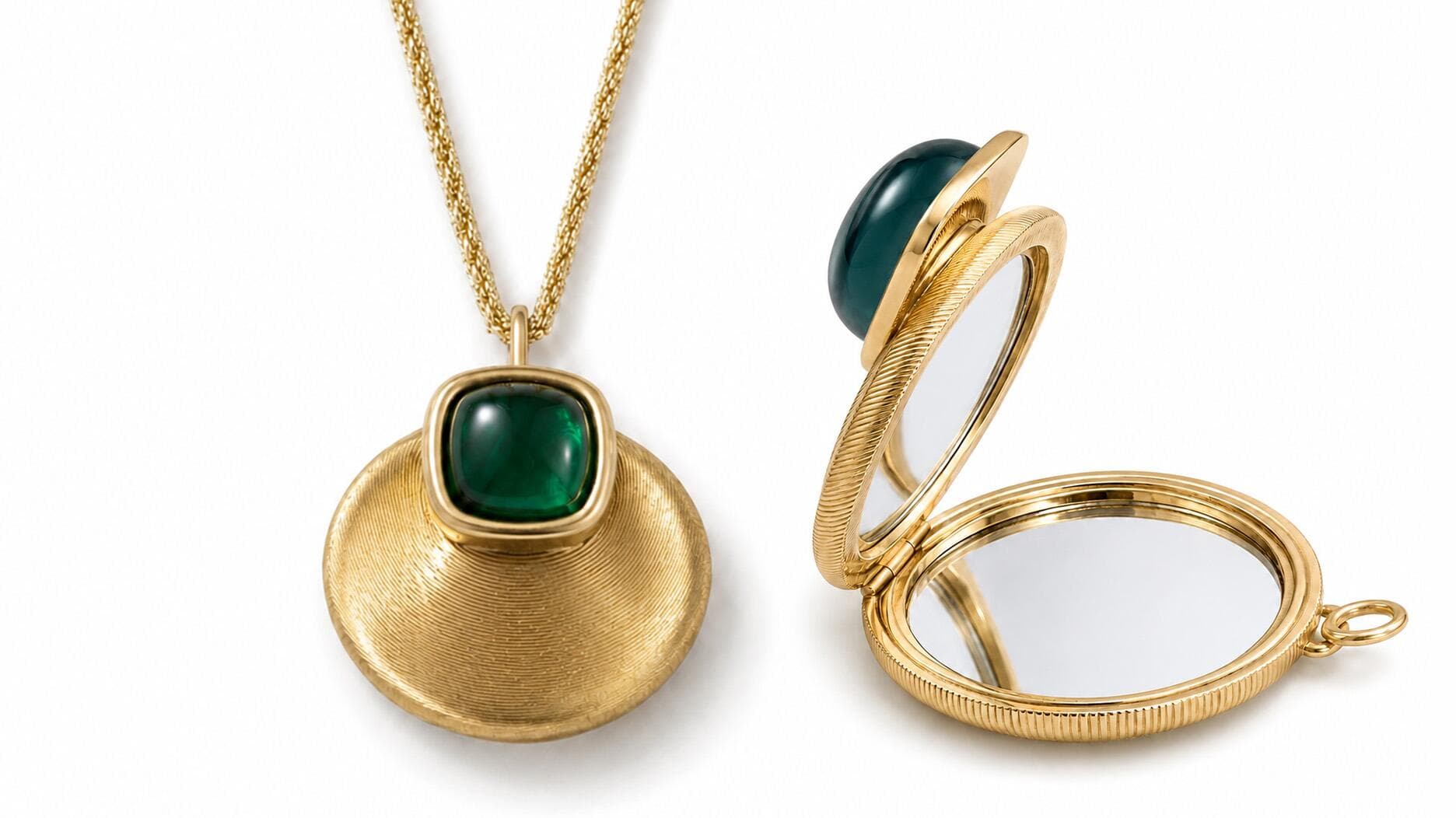
Benilde grant aims to authenticate and preserve Filipino heirloom jewelry
A Benilde-DOST grant could turn heirloom rings and pendants into evidence, using digital tools to read marks, motifs and provenance across Philippine jewelry history.
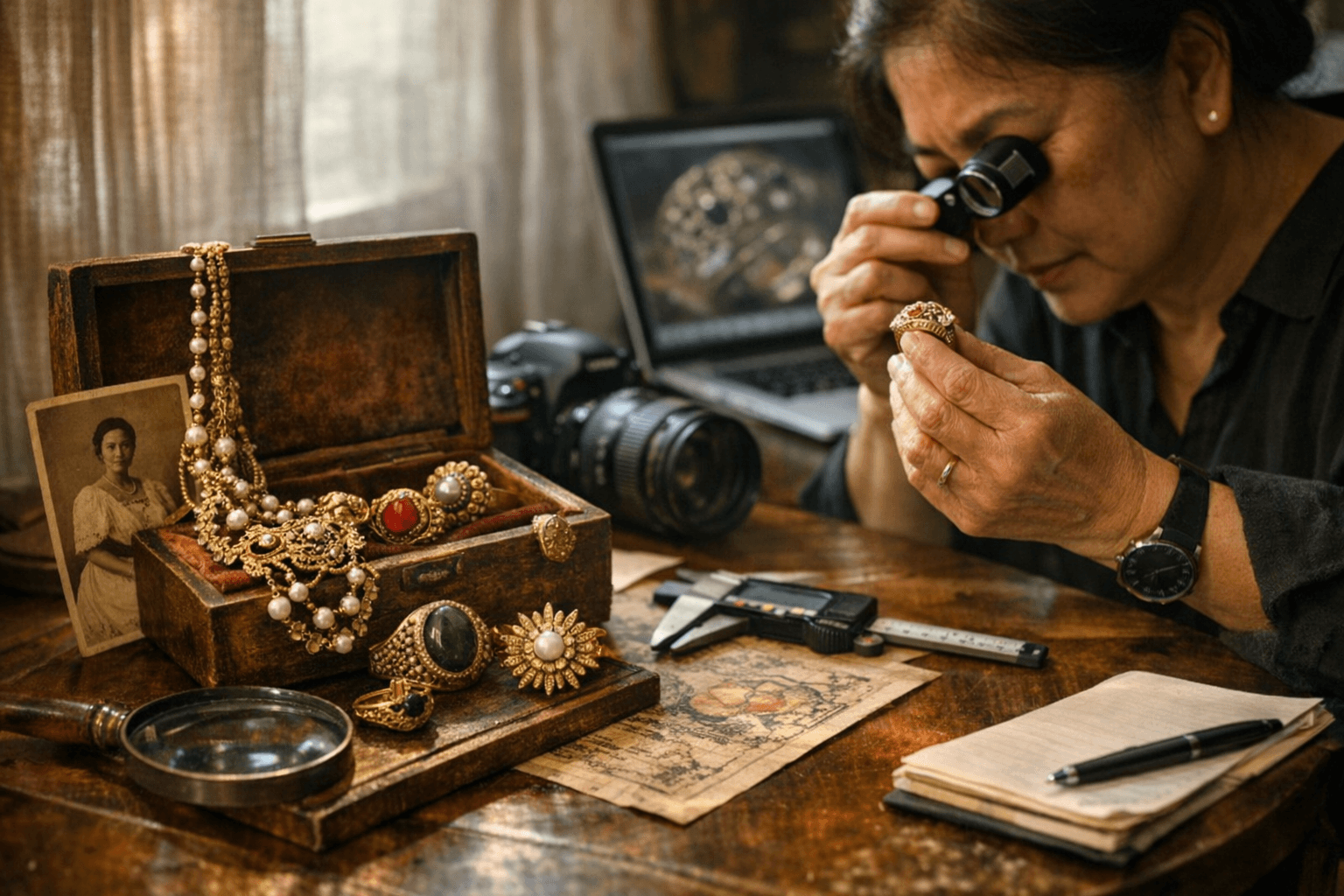
A family ring tucked in a drawer, a gold pendant passed down without papers, a bracelet whose maker is long forgotten. De La Salle-College of Saint Benilde will now try to give those pieces a clearer identity, after the Department of Science and Technology-Philippine Council for Industry, Energy and Emerging Technology Research and Development granted funding to authenticate, modernize and preserve traditional Filipino fine jewelry through systematic tools and advanced digital technologies.
The project was formalized through a ceremonial signing between Benilde and DOST-PCIEERD, and its promise is practical as much as cultural. If the work succeeds, heirloom pieces could be studied the way archivists study manuscripts: through hidden marks, recurring motifs, metalwork signatures and provenance records that separate a documented object from a story that has been repeated too many times to verify. For families and collectors, that could mean a usable framework for identifying, dating and documenting jewelry already in hand.
The timing matters because Philippine jewelry heritage reaches back to the pre-colonial era, when gold, pearls, shells and precious stones were already part of adornment. A 2024 book on Philippine heritage jewelry traced that history from before 1565 through the Spanish Colonial era, the turn of the century, the modern era and the contemporary period, underscoring how much of the country’s jewelry past survives in fragments, private collections and inherited memory. In that context, the grant is less about nostalgia than recovery.
It also lands with particular force in Meycauayan, Bulacan, widely described as the jewelry capital of the Philippines. A project built around cultural mapping and digitalization could help turn regional craftsmanship into a record that families, makers and researchers can actually use, especially for pieces whose value lies not only in gold content but in the specificity of design, setting and handwork.
Benilde already has an ecosystem that fits the assignment. Its Fashion Design and Merchandising program trains students to use both conventional and modern digital tools, while its Culture-Based Arts Program lists jeweler among its career paths. The college also opened the Php13.9 million Benilde Hub of Innovation for Inclusion with DOST on March 22, 2023, signaling that its research culture is already geared toward incubation and applied work.
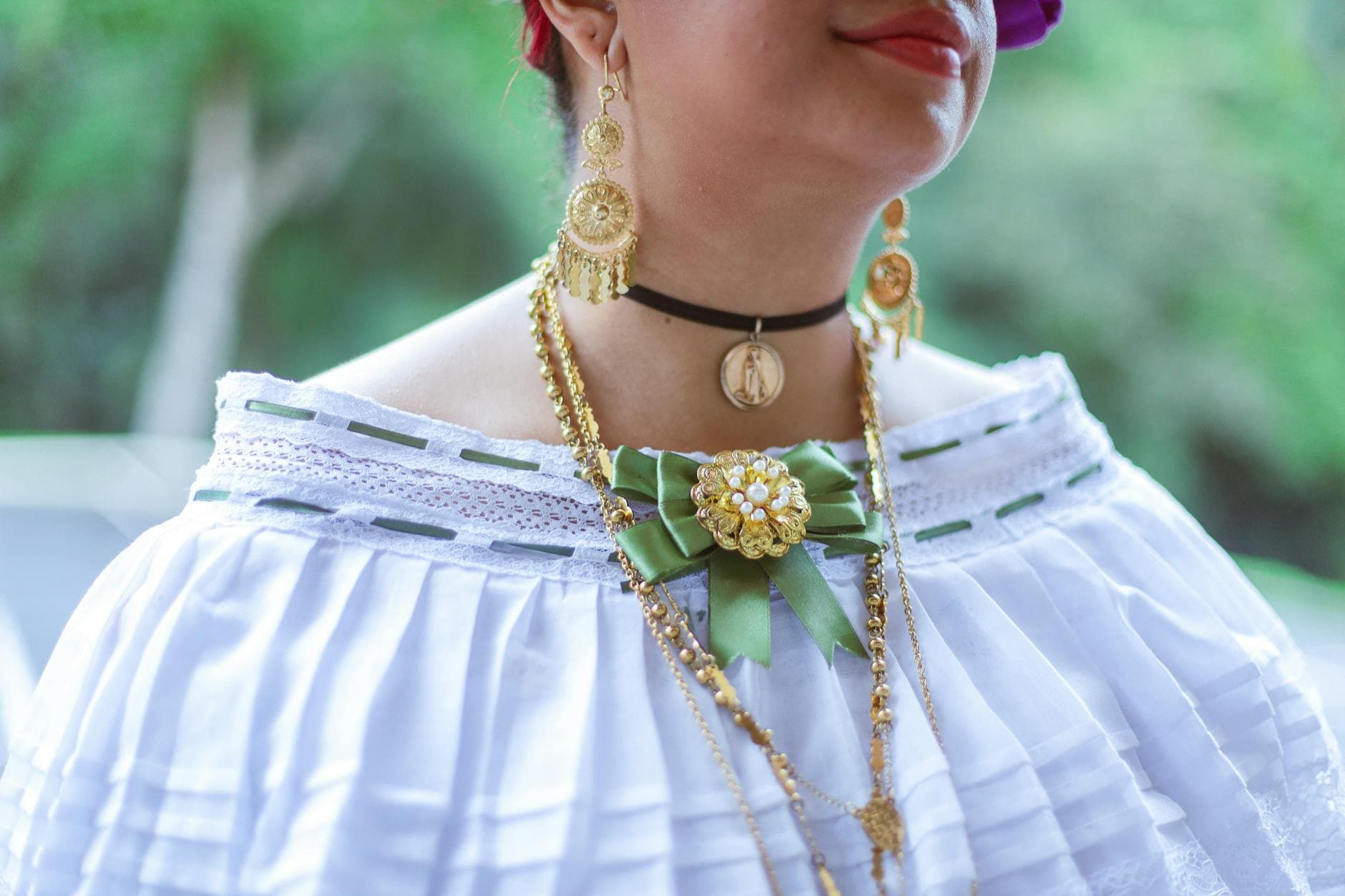
The grant follows a wider DOST pattern of backing heritage preservation through modernization, including the planned Philippine Handloom Weaving Center. For Filipino heirloom jewelry, that approach could finally provide what many pieces have lacked for generations: a readable trail from object to origin, and from ornament to evidence.
This article was produced by Prism’s automated news system from verified source data, official records, and press releases, then run through automated quality and moderation checks before publishing. The system is built and supervised by the people who set the standards it runs under. Read our full AI policy.
Did this article answer your question?