Sami Fine Jewelry showcases $2 million vintage estate pieces in Arizona trunk show
A two-day trunk show in Fountain Hills put more than $2 million in estate jewelry on one floor, with pieces starting at $500 and spanning Art Deco to Victorian.
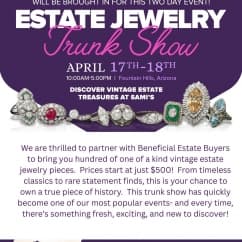
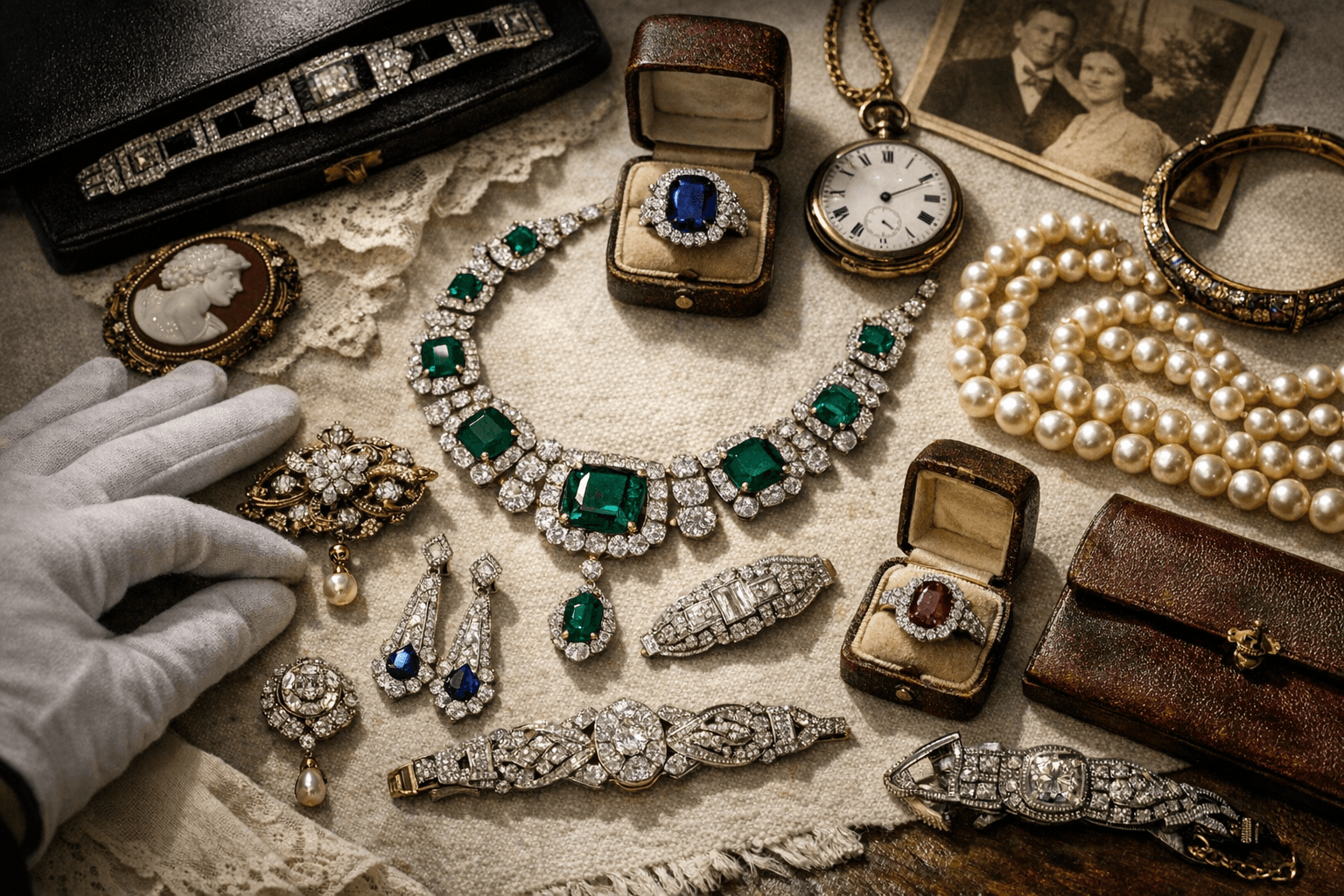
A vintage estate trunk show can turn one bracelet, one ring or one pendant into a small archive. At Sami Fine Jewelry in Fountain Hills, hundreds of estate pieces filled the storefront on Avenue of the Fountains during the April 17-18 event, with prices starting at $500 and the mix spanning Art Deco diamonds, Victorian gold and mid-century glamour.
The point of seeing that much material side by side is not just quantity. It is comparison. Online, a buyer gets one listing, one angle and often one carefully chosen story. In a room with more than 400 pieces, details start to line up: how a hand-engraved shank wears against a later band, whether a setting looks period-correct, whether a center stone sits in an old mounting that shows honest age or a replacement that does not quite belong. Hallmarks, repairs and stone replacements are easier to question when another dozen similar pieces are sitting a few feet away.
Sami Fine Jewelry said the showcase included more than $2 million in estate jewelry and that it regularly hosts special vintage and estate events multiple times a year. The store, which says it has been family-owned since the 1970s, operates a 3,700-square-foot shop and says it has more than 65 years in the jewelry business. That kind of continuity matters in estate jewelry, where provenance often depends on memory as much as paperwork.
Beneficial Estate Buyers supplied the trunk show inventory. The Philadelphia-based company says it was founded in 2007 by Richard Mampe Sr., Max Weiner, Jeffrey Zayas and Joseph Cileone, and that its buying team brings more than 100 years of combined experience in estate and antique jewelry. The company says its trunk shows usually run one to two days, a format that lets retailers offer one-of-a-kind pieces without carrying permanent estate inventory.
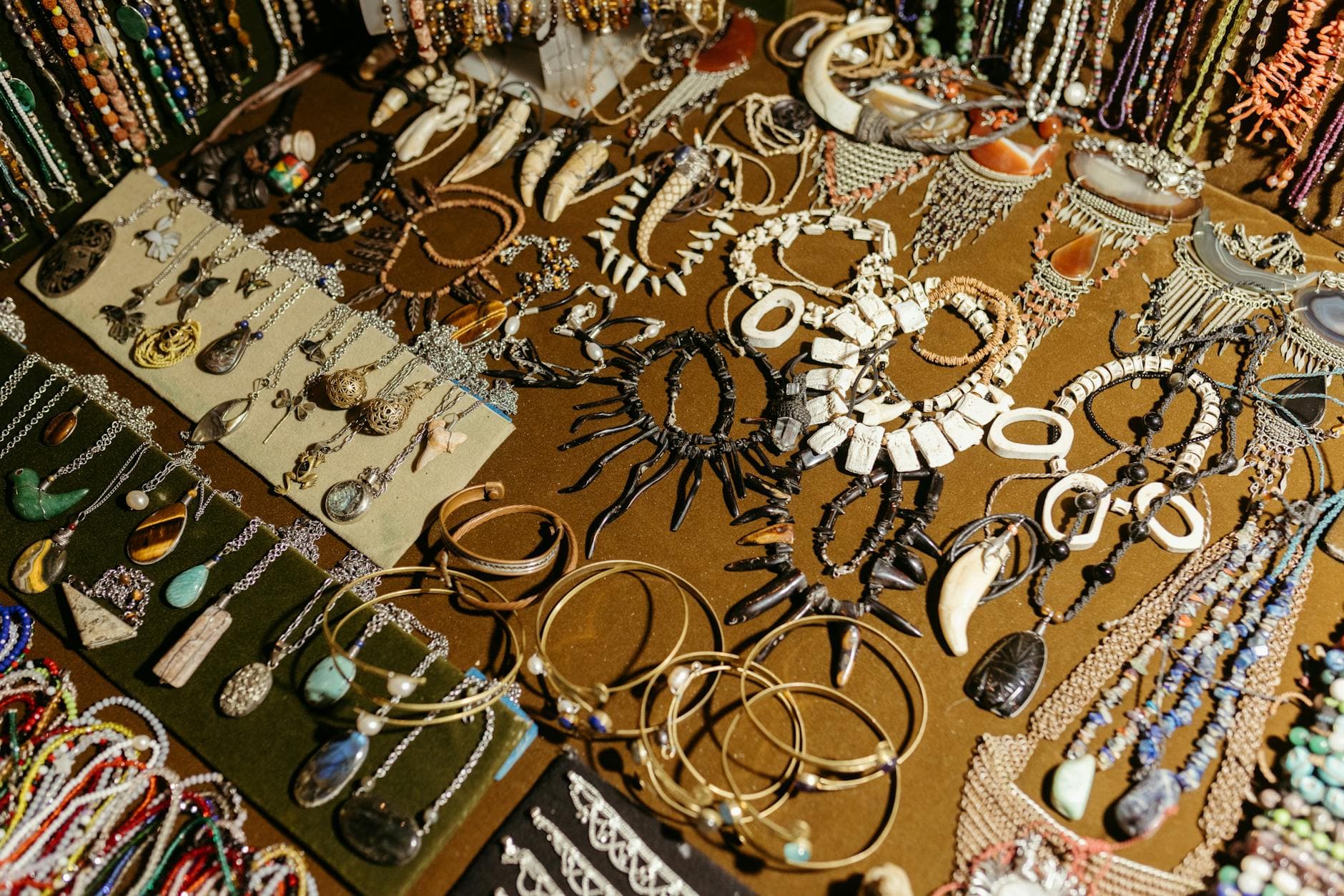
For buyers, the real value of a show like this is in the questions it forces. Ask where a piece came from, what work has been done to it, whether any stones have been replaced, and whether the hallmarks match the metal and the era. Ask what the price reflects: age, condition, craftsmanship, provenance or simply the rarity of seeing so many authentic pieces together. In a market crowded with polished photos and vague descriptions, a room full of estate jewelry still tells the clearest story.
This article was produced by Prism’s automated news system from verified source data, official records, and press releases, then run through automated quality and moderation checks before publishing. The system is built and supervised by the people who set the standards it runs under. Read our full AI policy.
Did this article answer your question?