Couture buyers split to high and low ends as middle softens
Vintage jewelry is splitting into winners and laggards: rare diamonds, heavy gold and exceptional gems still command premiums, while the $5,000 to $10,000 middle is losing pull.
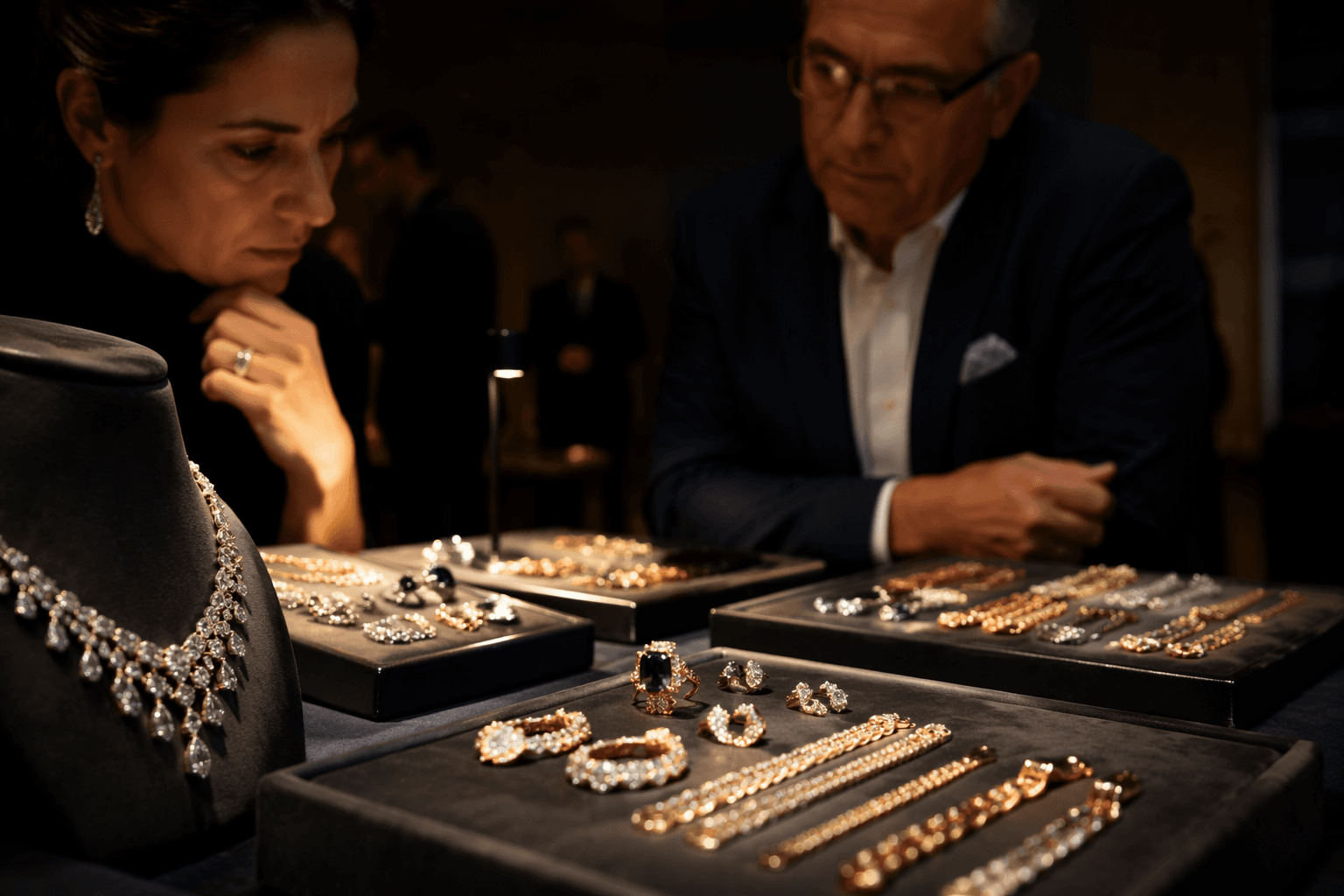
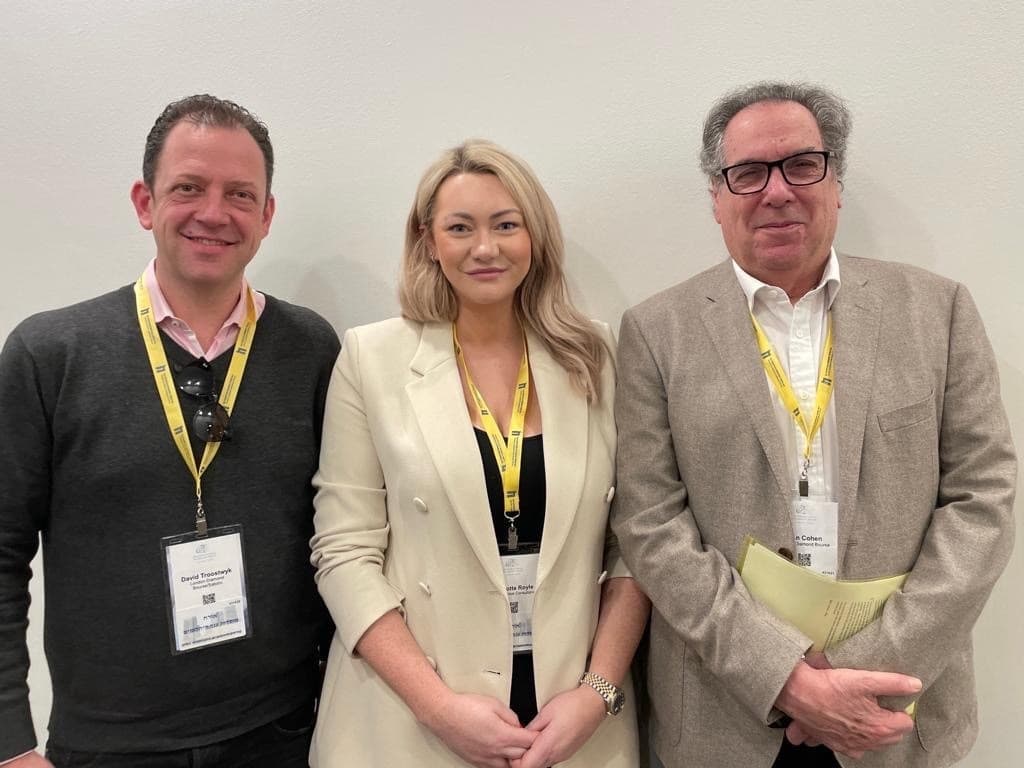
If you are sorting a ring, brooch or necklace at a glance, the market is handing you a sharper code than usual: weight, rarity and a verifiable story are still worth stretching for, while the broad middle is thinning out. At Couture 2026 in Las Vegas, Alysa Teichman of Ylang 23 said retailers were seeing the effects of a K-shaped consumer, with demand strong at both the highest and lowest ends and less conviction in between.
The Couture Show itself ran June 2-6, 2026 at Wynn Las Vegas, with an opening-night event on June 2 from 6:00 pm to 8:00 pm. It positions itself as an exclusive annual destination for designer fine jewelry and luxury timepieces, and buyer qualification keeps the room tightly focused on trade buyers who can feel the market shifts first.
The pieces still commanding a premium
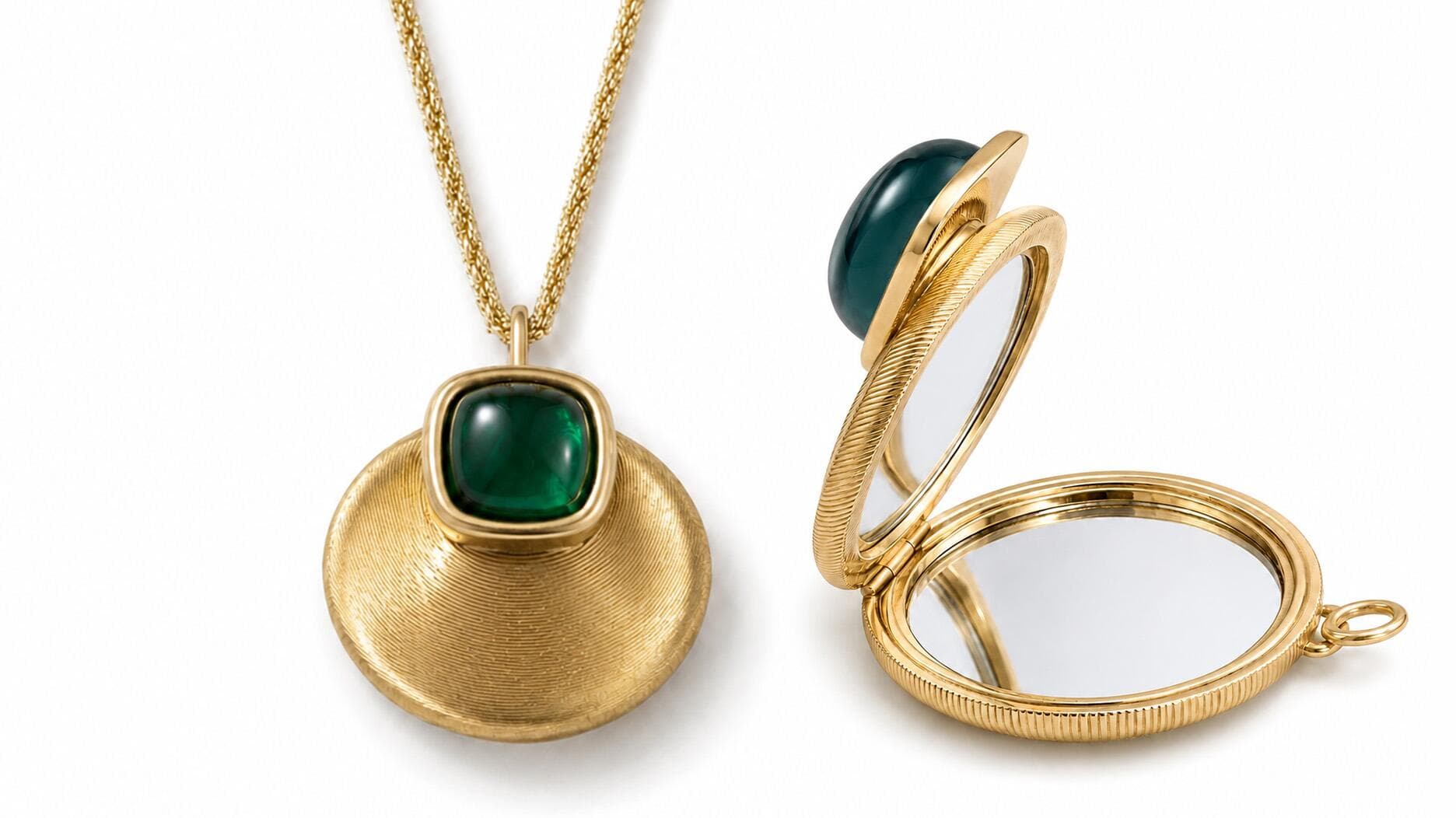
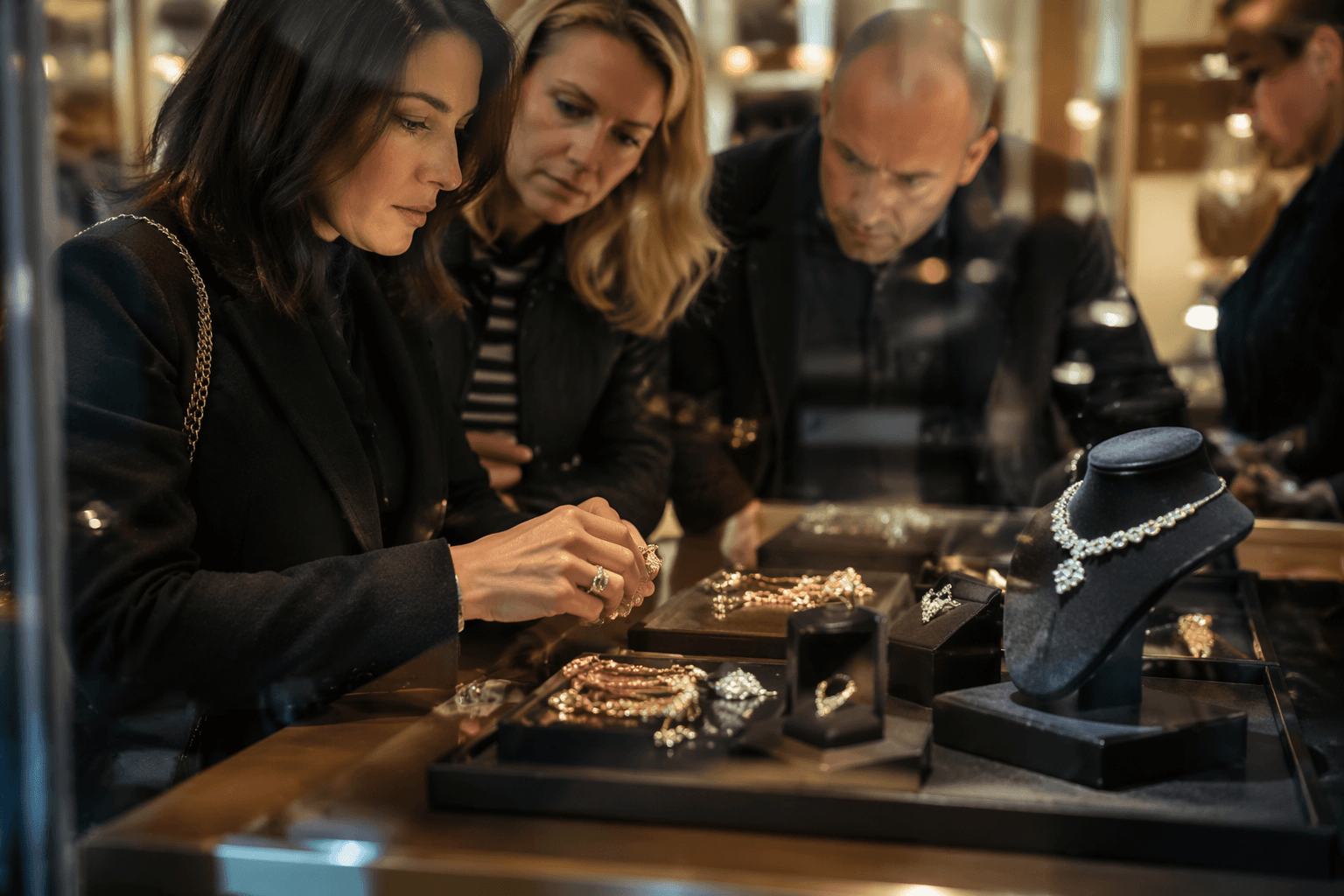
The clearest message from the Couture floor was that collectors are paying up for jewelry that feels scarce, durable and easy to justify over time. Important diamonds, substantial gold jewelry and exceptional colored gemstones remained strong at the luxury end, because those categories offer what shoppers are now demanding most: longevity, craftsmanship and personal significance.
That logic matters for vintage, where the best pieces already carry the kind of built-in value modern fashion jewelry often lacks. A signed bracelet with a strong hallmark, a heavy gold chain with clean wear, or a brooch set with a vivid sapphire or emerald reads less like an impulse buy and more like a small archive. The details hidden in the clasp, band or mounting often tell you whether the object was made to last or merely to trend.
Where buyers are trading down
At the same time, the accessible end of the market is not frozen. WWD’s Couture coverage showed that more approachable brands were finding traction with alternative materials, mixed-media construction and lower entry price points, a sign that buyers still want novelty when the ticket is lighter. That is the other side of the split: when the center softens, some shoppers move down, but they do not stop buying.
The $5,000 to $10,000 retail sweet spot felt less prominent across the show floor, and that has a direct lesson for vintage shoppers. Mid-market pieces that do not have clear craftsmanship, a desirable signature or a memorable stone are the easiest to postpone. If a jewel sits in that band but lacks a compelling hook, buyers are increasingly willing to wait or step away.
Why gold is changing the conversation
The broader gold market explains much of this pressure. The World Gold Council said Q1 2026 gold jewelry demand fell 23% year over year to 300 tonnes, the lowest since Q2 2020, even as the value of that demand rose to a first-quarter record of US$47 billion. Total Q1 gold demand, including over-the-counter activity, reached 1,231 tonnes, up 2% year over year, while the value surged 74% to a record US$193 billion.
Gold prices peaked above US$5,400 per ounce in January 2026 before correcting, and that kind of price spike changes what people want in their jewelry box. The Council said jewelry demand weakened in major markets including China, India and the Middle East, while some consumption shifted into bar-and-coin demand, especially in China and India, where gold can function as a proxy investment. For vintage buyers, that reinforces the appeal of pieces with strong gold content and visible craftsmanship, because the material itself becomes part of the value story.
What the couture mood says about vintage
Designers at Couture leaned into colorful gemstones, narrative-driven jewels, playful motifs, vintage influences and unconventional materials. That mix is telling. It shows that the market is rewarding pieces with personality and proof of hand, and it explains why estate jewelry and heirloom-worthy design are drawing more attention from retailers.
For a reader standing over a tray of old pieces, the practical takeaway is simple: look for jewelry that carries both aesthetic and intrinsic weight. A brooch with an unusual stone arrangement, a signed ring with crisp hallmarks, or a gold bangle with substantial construction will usually outlast trend cycles better than a generic cocktail piece. Provenance, signature and rarity are not decorative details anymore; they are the language that helps a buyer distinguish a keepsake from a commodity.
How to read the piece in your hand
- Check the metal first. Heavy gold, clear purity stamps and solid construction matter more when prices are elevated.
- Look for stones with presence. Important diamonds and exceptional colored gemstones are still where collectors are stretching.
- Read the workmanship. Settings, clasps and bands should show the kind of care that suggests longevity, not shortcuts.
- Favor a story you can verify. Signatures, hallmarks and provenance carry more weight in a market that is rewarding rarity.
- Be wary of vague claims. If a piece is sold on mood alone, with no maker, no materials context and no visible craftsmanship, it belongs to the softer part of the market.
The split at Couture is not just a fair-floor snapshot. It is a practical map for anyone shopping vintage now: the strongest pieces are the ones that can survive scrutiny, hold their material value and still feel singular when the trend cycle moves on.
This article was produced by Prism’s automated news system from verified source data, official records, and press releases, then run through automated quality and moderation checks before publishing. The system is built and supervised by the people who set the standards it runs under. Read our full AI policy.
Did this article answer your question?