De Beers extends Desert Diamonds into bridal with warm-toned engagement rings
De Beers turned Desert Diamonds into bridal, using warm natural stones and a campaign set to reach 25 million Americans to challenge white-diamond norms.
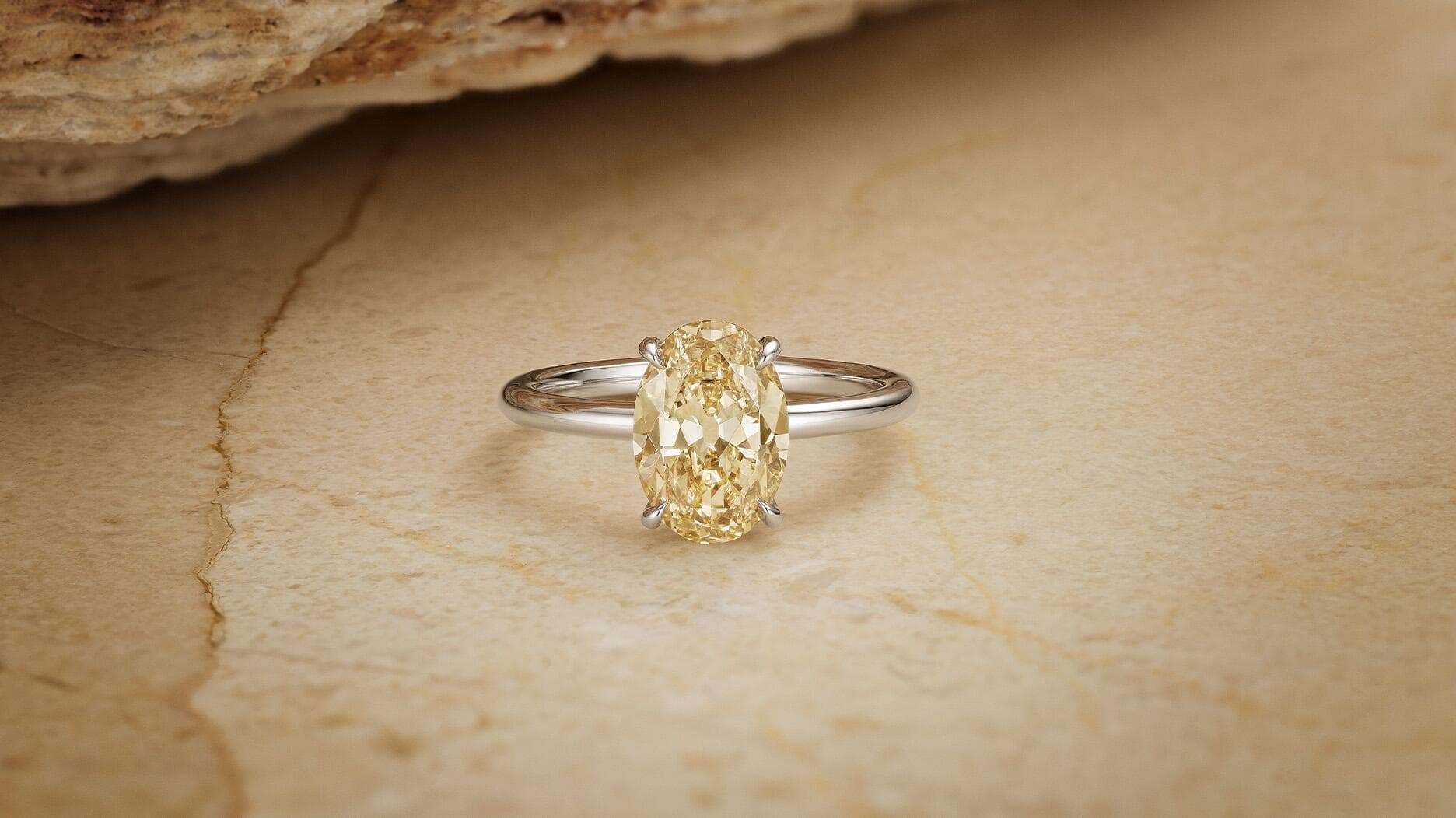
De Beers has moved Desert Diamonds from a consumer beacon into bridal, putting cream, champagne and brown-toned natural stones at the center of engagement rings and wedding jewelry. The U.S. rollout began April 13 and is slated to reach 25 million American consumers across digital, social, out-of-home and publishing channels, a national push that turns a once-niche color story into a direct challenge to the white-diamond proposal script. De Beers first launched Desert Diamonds to consumers in October 2025 and has called it the company’s first new beacon in more than a decade.
Sandrine Conseiller, CEO of De Beers Brands & Diamond Desirability, framed the pitch in plainly emotional terms: "Today's brides want something truly unique that delivers meaning and individuality." De Beers says the program is backed by its largest category marketing investment in more than 10 years, and it is treating the bridal expansion as an industry-wide umbrella program meant to build demand for natural diamonds by leaning into natural variation, provenance and story. Kindred Lubeck is set to unveil her first bridal collection with the launch, alongside pieces from Stephanie Gottlieb, The Clear Cut, William Goldberg Diamonds, Bijules, Casey Perez, Jade Trau, Briony Raymond, Jessica McCormack, Vanessa Fernández Studio, Reeds Jewelers, Harwell Godfrey, Pamela Love, Almasika and Uniform Object. The featured silhouettes are familiar on purpose: solitaire rings, three-stone rings, diamond bands and eternity styles.
That is what makes the campaign feel less like an invention than a rebranding of an antique vocabulary. GIA describes the old mine cut as a hand-shaped diamond style from the Georgian and early to mid-Victorian eras, built for candlelight and valued for its soft, squarish outline and romantic charm. Sotheby’s has tied recent attention around Kindred Lubeck to antique-cut stones, while yellow gold engagement rings and old mine cuts have long been part of the vintage market’s language of warmth, character and soft glow. In that sense, Desert Diamonds is not introducing warm-toned bridal jewelry so much as repackaging a look collectors already know well from estate rings, where a slightly tinted stone, a hand-cut facet pattern and a yellow gold setting can read as more personal than perfection.
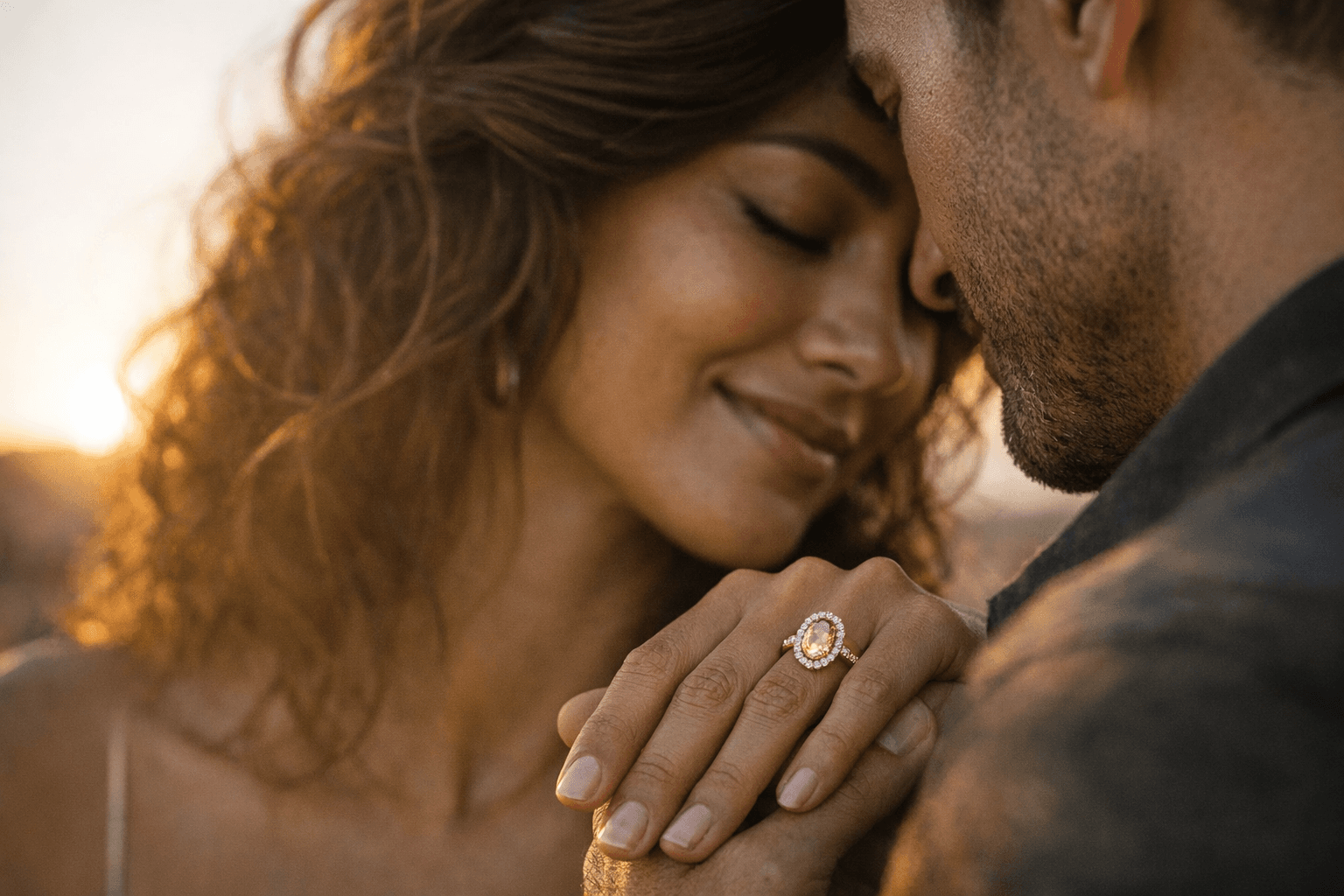
De Beers is also drawing a line between natural diamonds and lab-grown stones by emphasizing visible color variation, and it says independent retailers involved in the first Desert Diamonds campaign saw more foot traffic and more bridal-led inquiries. The bet is clear: couples who want character over conventional white-diamond bridal jewelry may respond to a ring that looks readable, not sterile, and that carries the antique charge of something chosen for its tone as much as its sparkle. In a market trained to prize flawlessness, De Beers is trying to make warmth feel like the newer luxury.
Know something we missed? Have a correction or additional information?
Submit a Tip