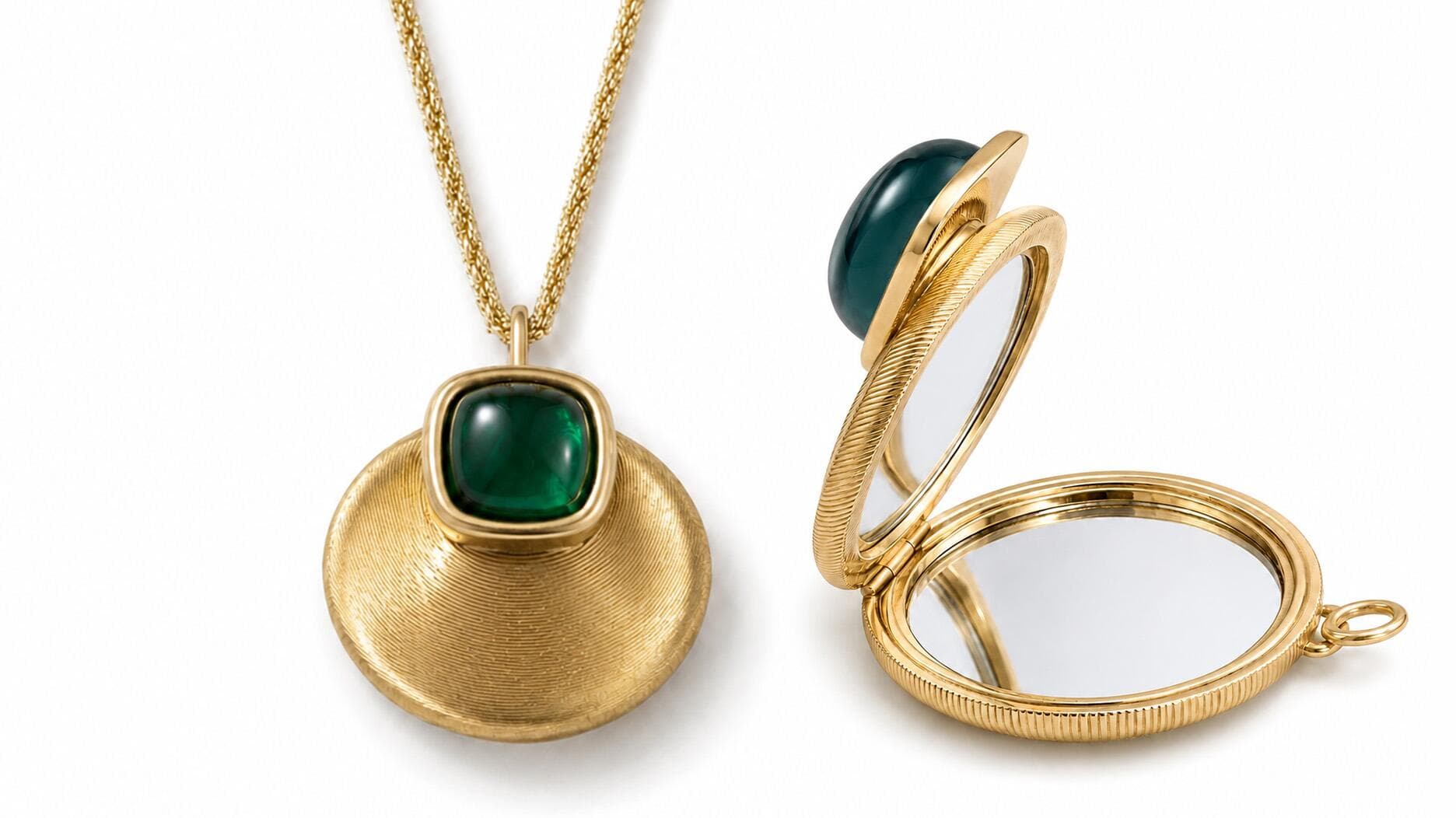
Georgian Jewels, Cameos, and Cocktail Rings Lead Antique Revival
Taylor Swift’s ring sent old-mine-cut searches soaring 10,000%, and the smartest comeback pieces are Georgian jewels, cameos, cocktail rings, and bib necklaces.
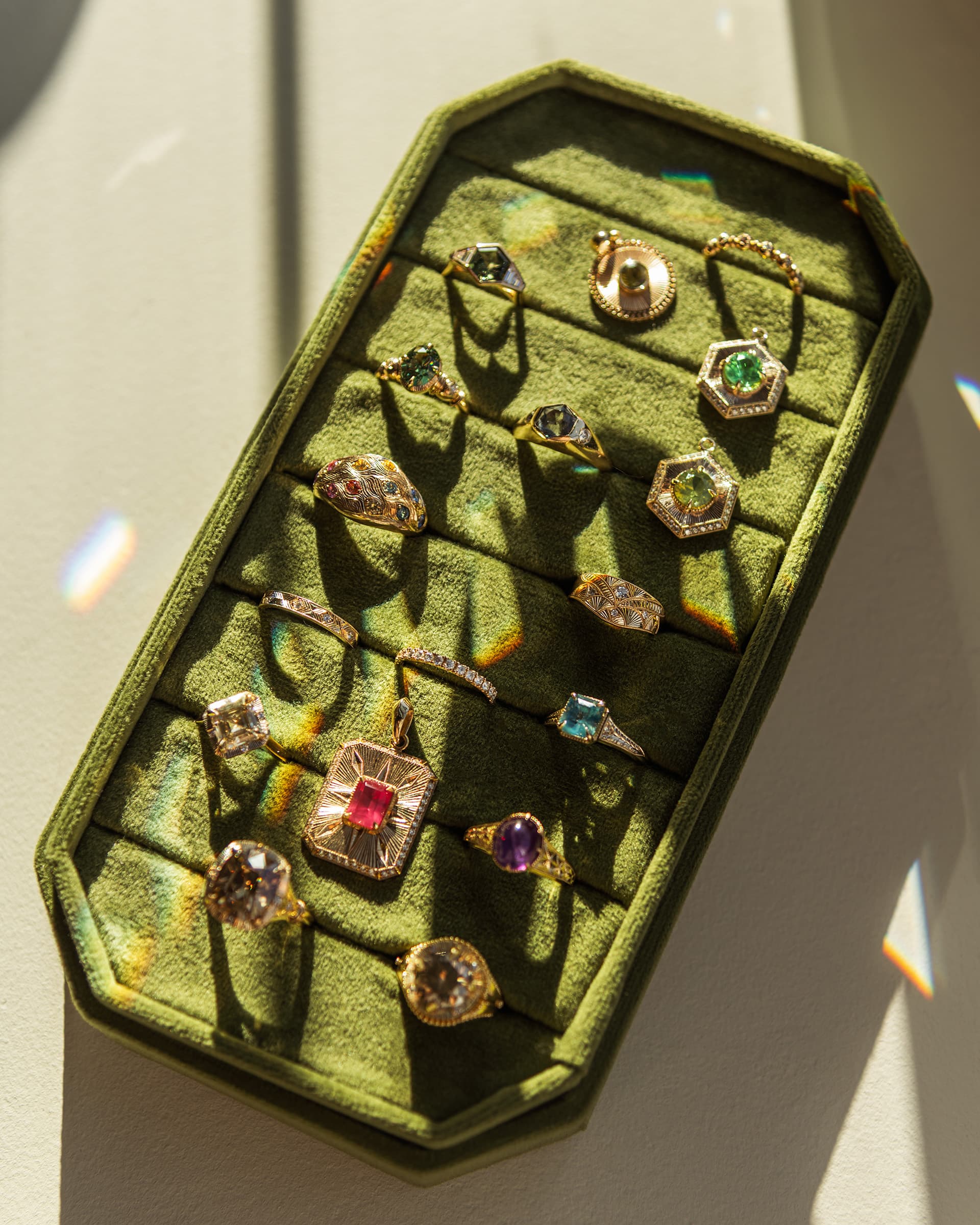
Why antique jewelry suddenly feels new again
One ring can change the temperature of the market. After Taylor Swift debuted an old-mine-cut engagement ring in 2025, searches for similar antique-cut diamonds jumped 10,000% overnight, a reminder that a single jewel can make period style feel urgent again. That same appetite is now lifting Georgian jewels, cameos, cocktail rings, and antique bib necklaces back into the conversation, not as costume pieces, but as objects with the kind of character modern fine jewelry so often smooths away.
What makes this revival worth watching is not nostalgia alone. Antique jewelry brings silhouette, history, and a little mystery to the hand or neckline, and it offers something contemporary pieces can struggle to deliver: a sense that the object has already lived another life before it reaches yours.
Georgian jewelry: the oldest kind of elegance that still reads as modern
Georgian jewelry refers to pieces made in the Georgian era in British history, which ran from the early 18th century to the mid-19th century. In the wild, that means looking for jewels with a handmade, slightly irregular quality, the sort of construction that feels shaped by an individual goldsmith rather than a factory line. Georgian pieces can feel surprisingly current because they were designed before the age of mass sameness, so even a small ring or pendant can carry real presence.
What separates a true period piece from a later homage is often in the finish and the feeling. Antique pieces tend to have a depth and softness that newer reproductions struggle to mimic, and their wear is part of the appeal. If you are shopping for Georgian jewelry, insist on clear documentation from a reputable seller and ask how the piece has been identified, researched, and prepared, because expertise matters just as much as the jewel itself.
Cameos: portraiture that has never really gone out of style
Cameos are having their strongest argument in years because they are both decorative and deeply legible. The Metropolitan Museum of Art says its European Sculpture and Decorative Arts department oversees roughly 250 hard-stone cameos dating from the Renaissance to the Victorian era, and it notes that cameos were especially prized in the Neoclassical period of the 18th and 19th centuries. That long history is part of the charm: a cameo is not merely an ornament, but a miniature sculpture you can wear.
To spot a promising cameo, look for a carved figure in raised relief, usually a profile, and a setting that frames the carving without crowding it. The best vintage examples feel crisp in outline and balanced in proportion, which is why they work so well now on a chain, pinned to a blazer, or anchored at the throat. Period pieces usually carry a more nuanced hand in the carving and mounting, while modern lookalikes can appear flatter, shinier, or overly uniform.
Cocktail rings: the most direct path to personality
If you want one antique category that can instantly change how an outfit reads, it is the cocktail ring. The Metropolitan Museum of Art notes that Christian Dior was the first to name the early evening frock a “cocktail” dress in the late 1940s, and that postwar language helped define the social world in which bold, statement accessories flourished. The idea still works because a cocktail ring is built around a single decisive gesture: it is meant to be seen, not merely worn.
In practical terms, the best antique cocktail rings often have a stronger visual center than modern versions, with a stone or motif that commands attention from across a room. They feel wearable now because they do the styling for you. Pair one with a plain knit, a crisp shirt, or an evening slip, and the ring supplies the drama that would otherwise require an entire stack of jewelry. A period example usually has more individuality in the mounting and proportions, while a newer imitation can look too polished or too evenly produced to have the same conviction.
Antique bib necklaces: architecture for the collarbone
Bib necklaces are back because they understand a simple truth: jewelry does not have to be delicate to be elegant. A well-made antique bib necklace spans the front of the neckline with sculptural intent, turning the throat and collarbone into its own small stage. The style is especially effective now because contemporary dressing often favors clean lines, and a bib necklace brings instant texture and structure to that simplicity.
When you are decoding one in the wild, pay attention to how the front section is built. Period examples often show thoughtful articulation, visible craftsmanship, and a sense of weight that keeps the piece from looking flimsy. Modern lookalikes can be convincing at a glance, but they may lack the depth, patina, and hand-finished character that signal age. These are the pieces that reward a close look, especially when you can try them on and see how the shape sits against skin rather than guessing from a photograph.
How to shop like a specialist
The smartest way to revive antique jewelry is to buy with the eye of a curator, not the nerves of a trend chaser. Bonhams says its jewelry specialists work closely with collectors and consignors to identify, research, and prepare vintage and antique pieces for sale, which is exactly the kind of process that protects you from misreadings and overconfident cataloguing. Sotheby’s also offers estimates and specialist consultations for buyers and sellers, a reminder that real expertise is available when you want a second set of eyes on a piece.
A practical checklist helps every time:
- Ask for the piece’s age, materials, and any known repairs.
- Look for hallmarks, maker’s marks, and purity marks, then have them explained rather than guessed at.
- Request provenance or any research that supports the attribution.
- Try the piece on in person whenever possible, because antique proportions can surprise you once they meet your neck, wrist, or hand.
That last point matters more than most shoppers realize. A ring may look imposing in a photograph and feel perfectly natural on the hand, while a necklace that seems delicate online can sit heavily or awkwardly once worn. Antique jewelry rewards touch, scale, and movement, and that is why it keeps coming back into style: each piece offers a visible record of craft, and a way to wear history without treating it like a museum label.
The comeback is really about character
Georgian jewels, cameos, cocktail rings, and bib necklaces are not revivals because they are old. They are back because they solve a problem modern jewelry often avoids: how to make a single object feel personal, expressive, and unmistakable. In a market where one celebrity ring can send searches surging 10,000%, the deepest appeal of antique jewelry is still more intimate than viral fame. It lets you wear a story that already has texture, and that is why these forgotten categories feel ready for another century.
This article was produced by Prism’s automated news system from verified source data, official records, and press releases, then run through automated quality and moderation checks before publishing. The system is built and supervised by the people who set the standards it runs under. Read our full AI policy.
Did this article answer your question?