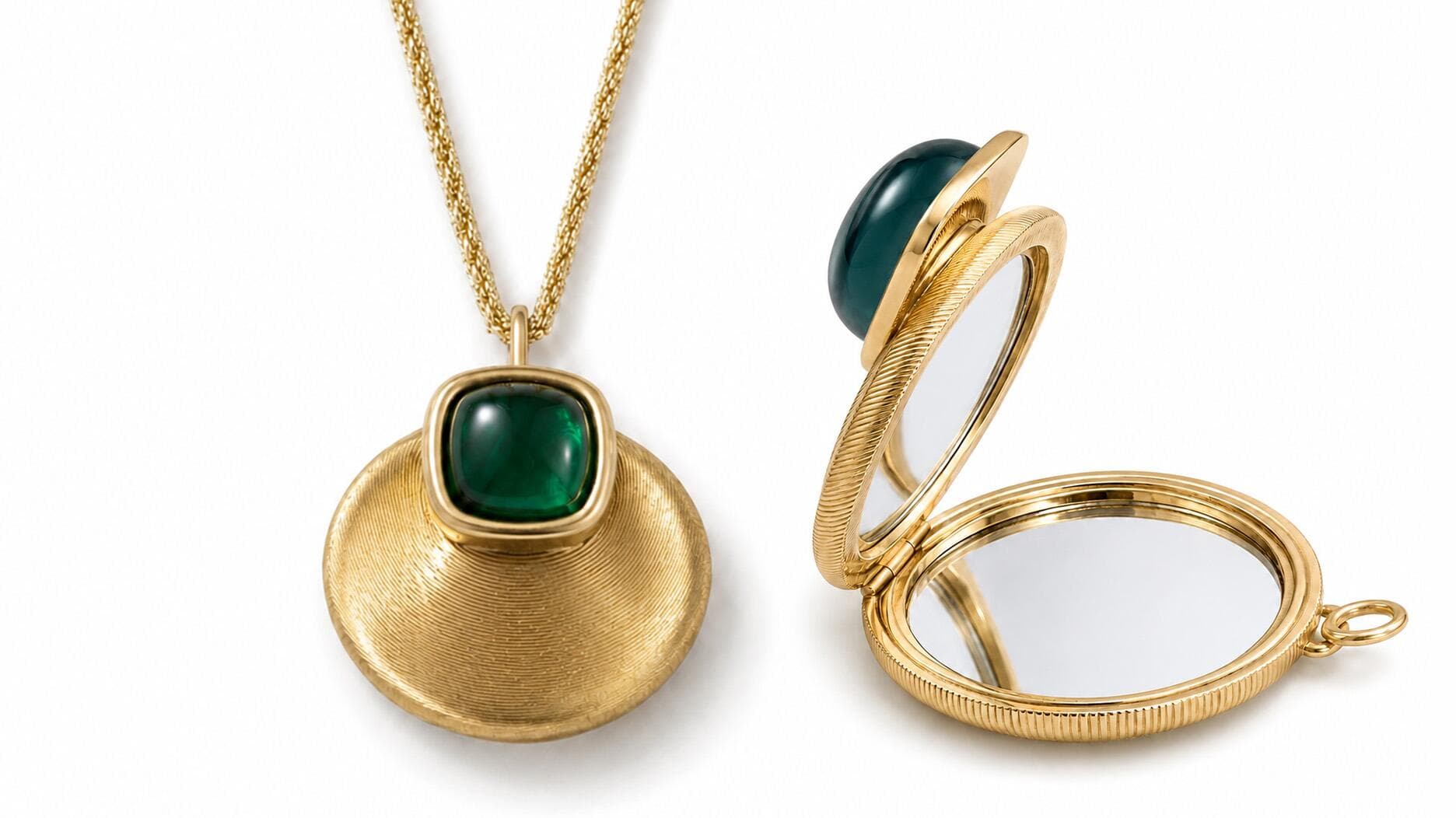
Vintage Jewelry Buyers Demand Provenance as Sustainability Claims Face Scrutiny
A tiny hallmark can tell you more about a ring’s footprint than a glossy green claim. Vintage buyers are now asking where stones came from, who made them, and what proof backs the story.
The stamp that changes the story
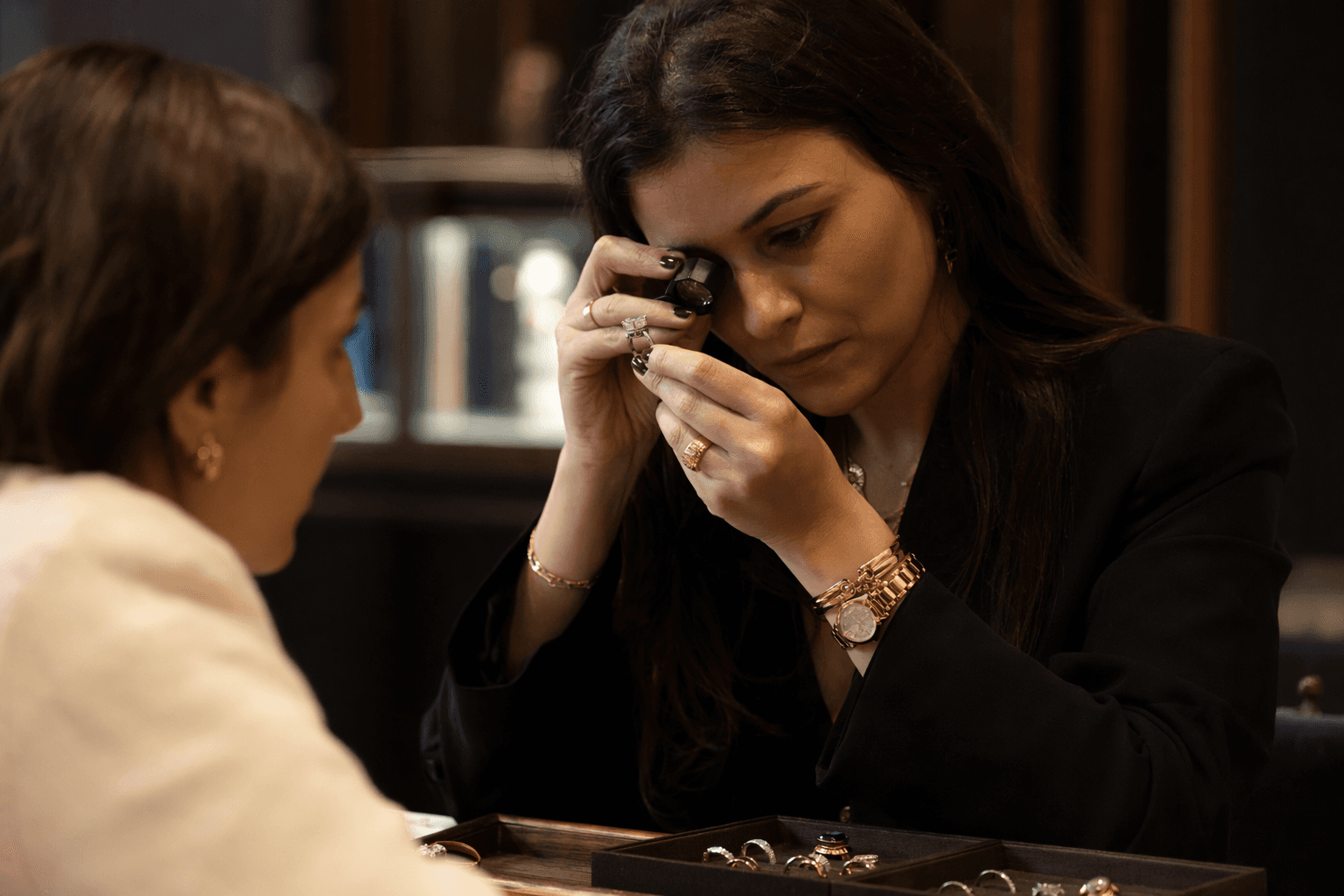
An inherited ring, a brooch from an estate sale, a clasp with a tiny maker’s mark: those details are no longer just charming. They are the first clues buyers use to decide whether a vintage jewel is beautiful, properly documented, and genuinely lower-impact than a new one.
That shift is reshaping the vintage diamond market. Rebecca Selva of Fred Leighton, where she has worked for 33 years, says informed buyers are asking more questions than ever about old mine cuts, antique diamonds, and historic makers such as Georges L’Enfant and André Vassort. The questions are specific because the stakes are specific: provenance now signals value, trust, and, in many cases, the difference between a well-sourced heirloom and a vague sustainability story.
When vintage is the lower-impact choice
Vintage and antique jewelry often earns its environmental appeal in the simplest way possible: it already exists. Reusing gold, platinum, silver, and old-cut diamonds avoids the need for new mining, new refining, and the energy-heavy infrastructure that follows. That is why trade coverage has described vintage jewelry as an upcycling choice with a very small carbon footprint, especially when compared with a newly manufactured piece.
Still, “vintage” is not a blank check. A ring can be old and still be poorly documented, over-restored, or assembled from parts with different histories. For buyers who care about sustainability, the real advantage comes when age is paired with clear identification, intact hallmarks, and paperwork that explains what the piece is, who made it, and whether any stones or metals were added later.
What provenance questions matter most
The current vintage market is less interested in generic romance than in measurable detail. Selva’s clients want to know where stones came from historically, whether a manufacturer was considered ethical in its own era, and whether a piece can be tied to a known workshop or design tradition. That is why names like Georges L’Enfant matter so much. His Paris firm was founded in 1899, and by 1909 he had taken full control, later building a reputation that connected the workshop to Cartier and other major houses.
This is not collector trivia. A signed or attributable jewel carries a different kind of proof. A maker’s mark, a period-correct setting, or a documented link to a specific atelier can tell you far more about authenticity than a seller’s general claim that a piece is “estate” or “green.” In vintage diamonds, old mine cuts and other antique cutting styles also help place a stone in its period, which can support both valuation and verification.
How to read the sustainability claims with a sharper eye
The broader jewelry industry is under more scrutiny now because regulators have made one thing clear: environmental marketing claims must be true and substantiated. The Federal Trade Commission’s Green Guides were written to help marketers make claims that are backed by evidence, and the agency has warned that broad terms such as “green,” recycled-content claims, and carbon-neutral language can mislead buyers if they are not properly supported.
That matters in jewelry because sustainability language is everywhere, but proof is not. A seller may say a ring uses recycled metal or “responsibly sourced” materials, yet provide no chain of custody, no documentation of the metal content, and no explanation of how the stones were tracked. For a buyer, that is the difference between a serious claim and a marketing mood.
The natural-diamond industry has tried to answer that pressure with traceability programs of its own. De Beers points to its Building Forever strategy and its Tracr registration system as part of its responsible-sourcing push. The existence of those initiatives matters, but so does the fine print: a responsible-sourcing story is only as strong as the documentation behind the individual piece in front of you.
The claims that should make you pause
Some sustainability language sounds reassuring while saying very little. “Eco-friendly,” “ethically sourced,” and “green choice” can all be empty unless the seller can explain exactly what was measured and how. Even recycled-content claims deserve scrutiny, because metal may be recycled while stones are not, or a piece may include recycled components but lack any real paperwork tying the jewel to a verifiable supply chain.
Carbon-neutral claims also deserve a careful read. Offsets and broad environmental promises do not tell you where the stone came from, who handled it, or whether the piece has been altered over time. Independent sustainability experts have stressed that transparency, traceability, and accountability are the real standards that matter, especially in a category where beauty and value often depend on story as much as sparkle.
A buyer’s checklist for vintage diamond rings and heirloom pieces
Before you buy, ask for specifics, not slogans:
- What are the hallmarks, maker’s marks, and purity stamps, and are they consistent with the period of the piece?
- Is the diamond an old mine cut, old European cut, or another antique style that matches the setting?
- Can the seller identify the maker, workshop, or origin of the jewel, especially for names such as Georges L’Enfant or André Vassort?
- Has the piece been resized, reset, or repaired, and were any stones replaced?
- If the seller uses sustainability language, what documents support the claim?
- If metal is described as recycled, does the seller explain whether the stones, mount, and findings are also documented?
- Is there any provenance paperwork, appraisal history, or archive reference that supports the attribution?
This is where a vintage dealer’s education becomes part of the product. A trustworthy seller should be able to explain not only what the jewel looks like now, but how it has traveled through time, what parts are original, and where the knowledge gaps remain. The goal is not perfection. The goal is proof.
Why this matters now
Vintage jewelry has always offered the pleasure of discovery, but the modern buyer is asking for something more durable than charm. In a market crowded with sustainability language, a tiny stamp on a clasp or an archive note on a maker can do more than decorate a jewel. It can anchor the piece in history, separate evidence from noise, and make the case that the most responsible diamond may be the one that already survived another century.
This article was produced by Prism’s automated news system from verified source data, official records, and press releases, then run through automated quality and moderation checks before publishing. The system is built and supervised by the people who set the standards it runs under. Read our full AI policy.
Did this article answer your question?