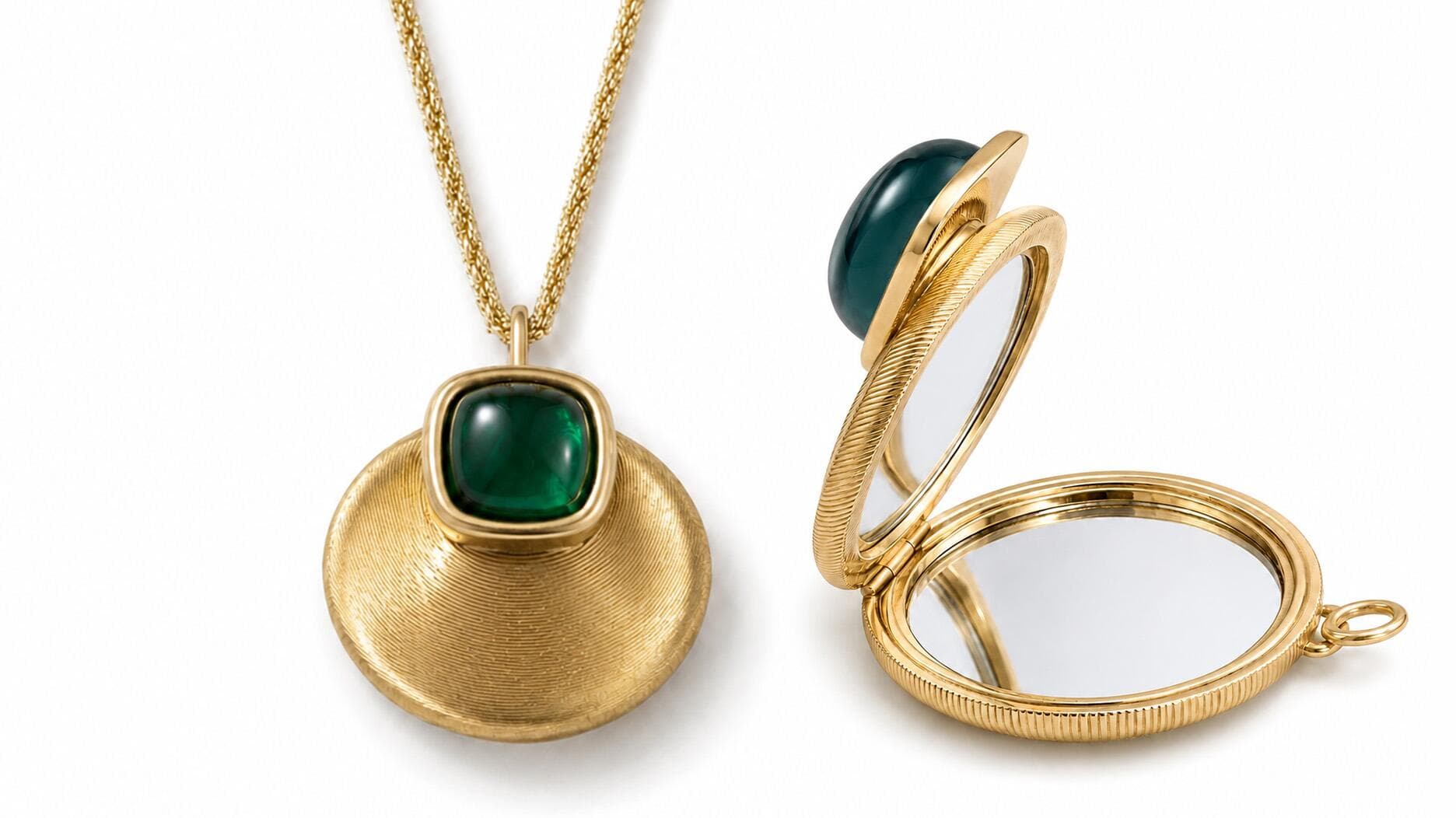
Gold’s record price pushes designers toward smaller, flexible collections
High gold prices are changing what vintage feels valuable. Smaller antique pieces, mixed materials, and hand-finished designs now read as smart, not slight.
Why smaller can matter more now
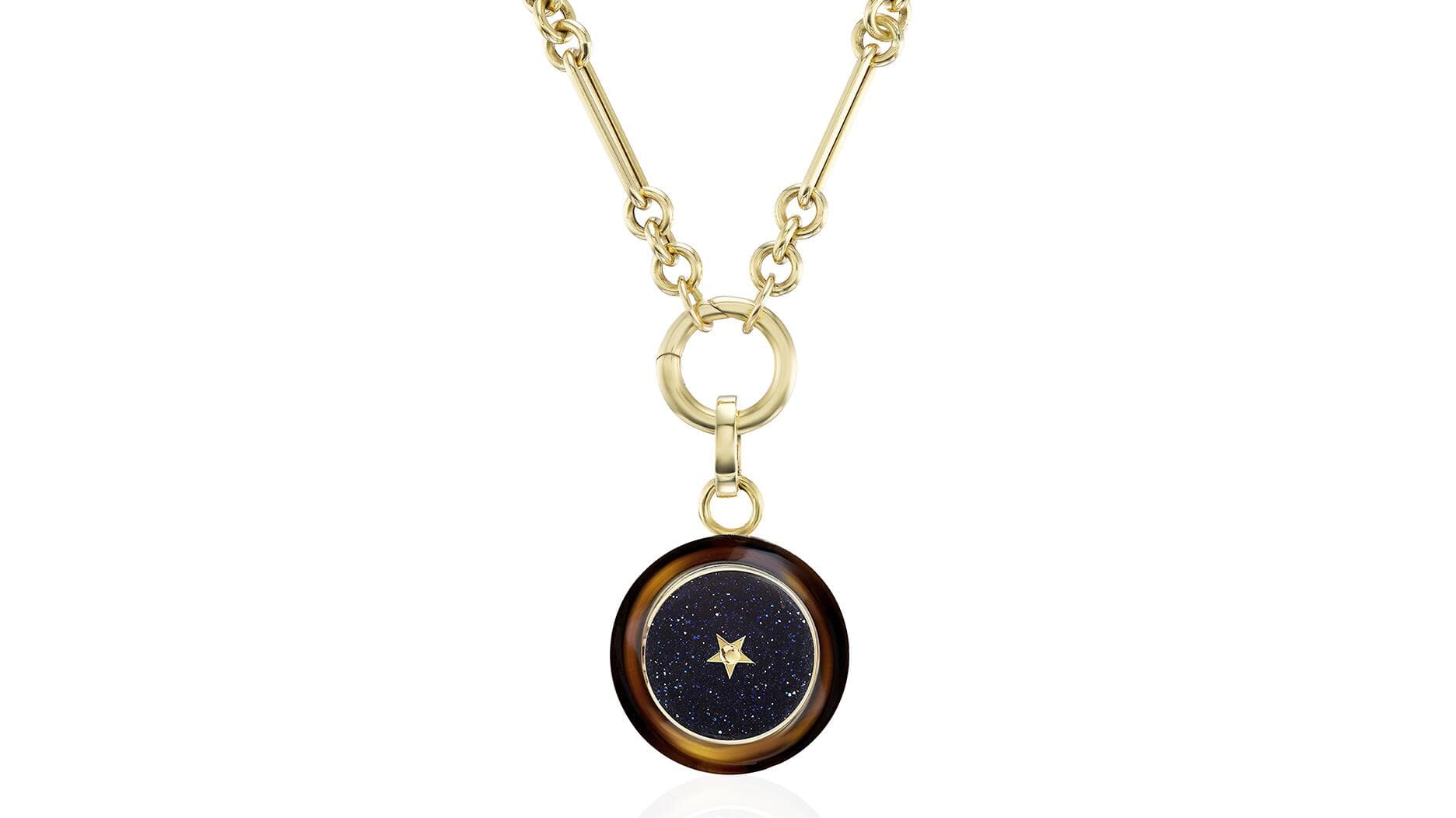
A slim inherited ring, an estate-sale brooch, or a narrow gold band can look more compelling when metal prices are at record levels. When gold becomes expensive, the market starts rewarding pieces that do more with less: tighter proportions, sharper design, and details that are visible the moment you turn the jewel over.
That shift is showing up well beyond the vintage tray. Designers are responding to precious-metal pressure by building smaller collections, working with materials such as wood and leather, and leaning into antique Venetian glass. The message is clear: when gold is costly, story, surface, and craftsmanship matter more.
What the gold market is telling collectors
The scale of the pressure is hard to miss. The World Gold Council says total gold demand in 2025, including OTC, exceeded 5,000 tonnes for the first time, while the value of demand reached US$555 billion. The LBMA gold price also set 53 new all-time highs during the year, which gave every gram of gold a new layer of significance.
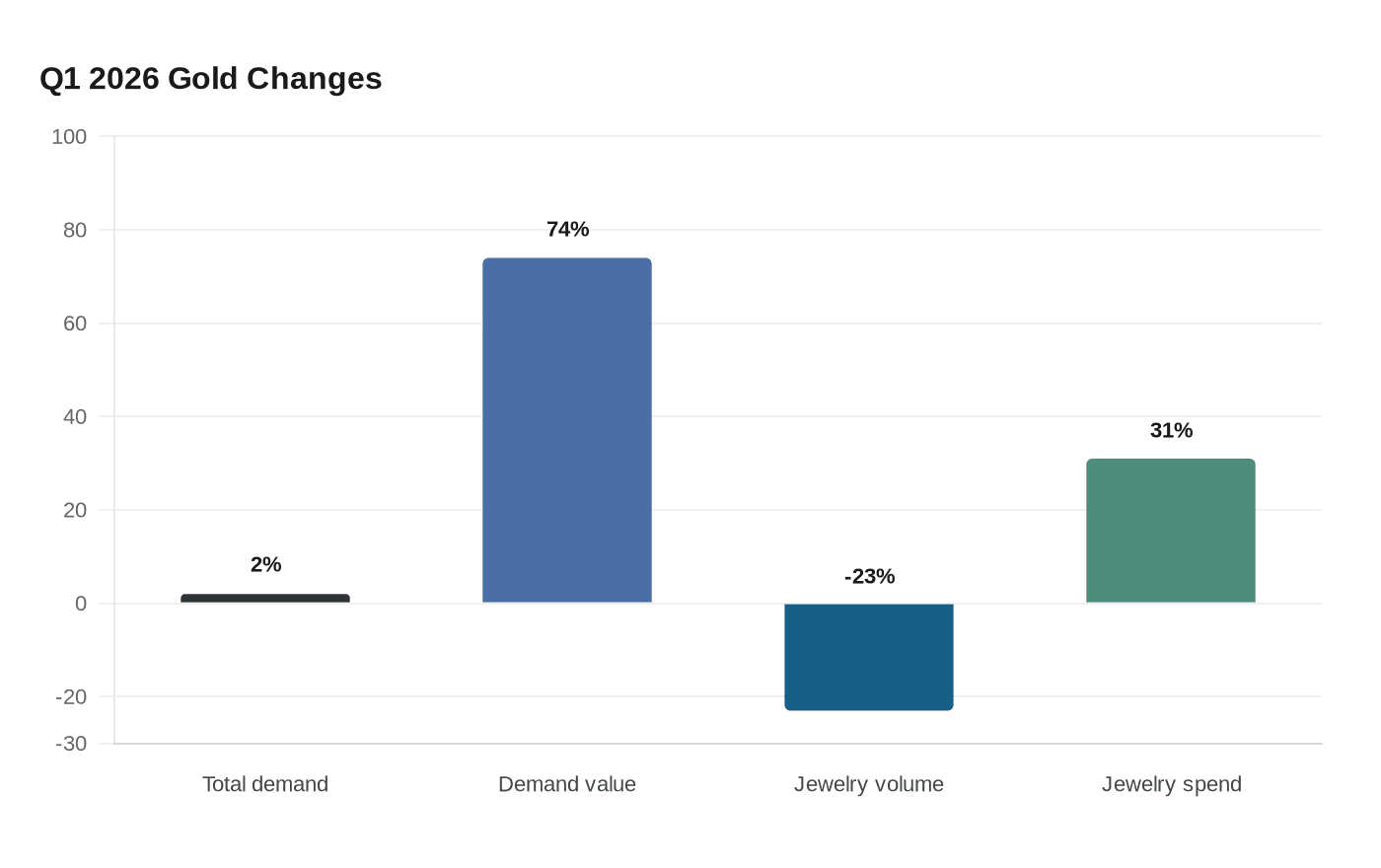
That tension continued into 2026. In the first quarter, total gold demand rose 2 percent year over year to 1,231 tonnes, but the value of that demand jumped 74 percent to a record US$193 billion. Gold itself touched a historical high of US$5,405 an ounce in January, and the quarterly average reached a record US$4,873 an ounce. For jewelry, the squeeze was even sharper: volumes fell 23 percent year over year to 300 tonnes, the lowest since Q2 2020, even as spending climbed 31 percent to US$47 billion, the highest first-quarter value on record.
For buyers, that means the old instinct to equate worth with heft is no longer enough. The market is already favoring pieces that can justify themselves through design, rarity, and handwork, not just metal weight.
Which vintage categories benefit most
This is where vintage jewelry becomes especially interesting. Pieces that are modest in scale but strong in design are easier to appreciate when heavy new gold is expensive. A small Art Deco ring with a crisp geometric head, a finely made brooch, or a chain with intricate links can feel more relevant than an oversized modern piece that is valuable mainly because of its gold content.
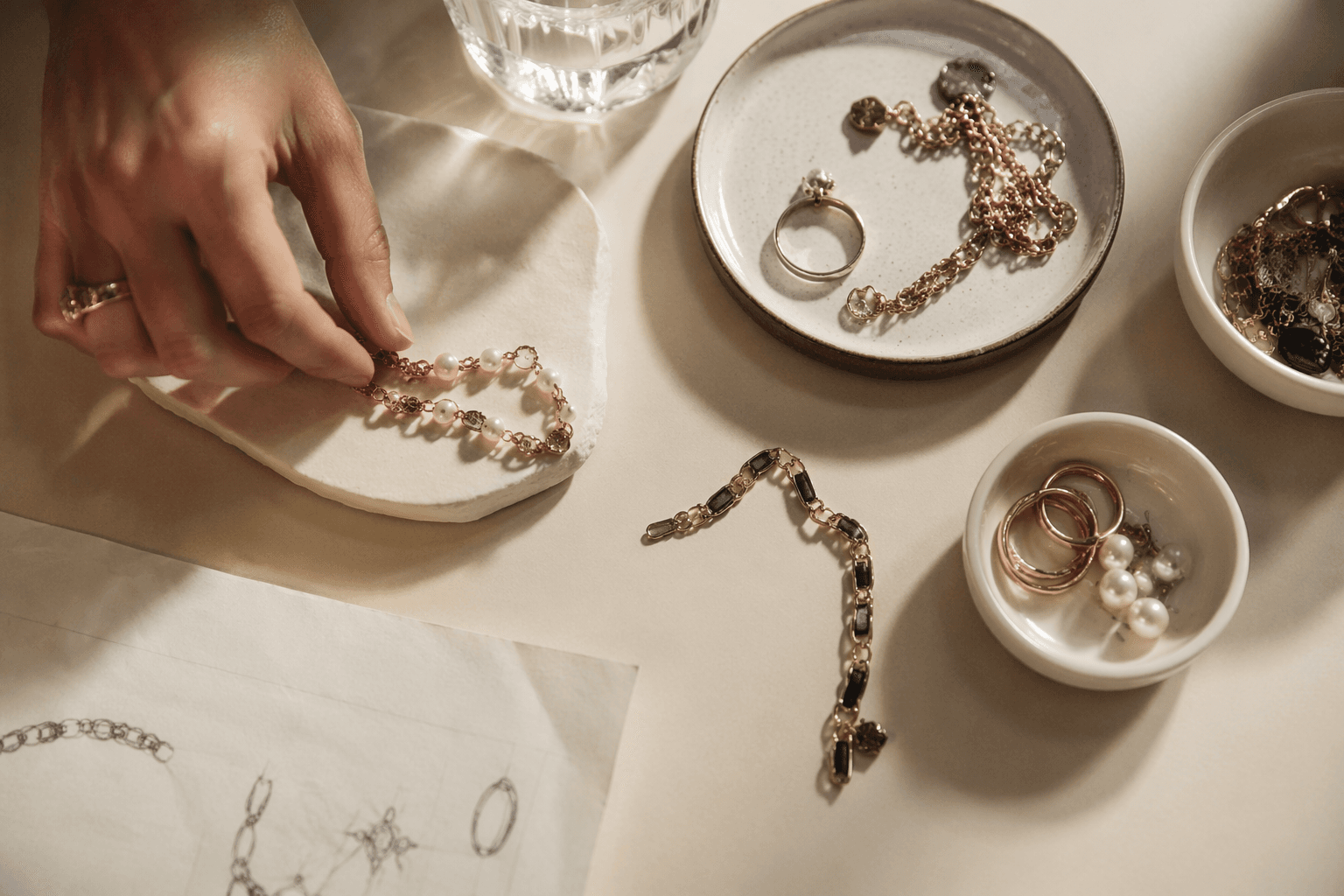
Mixed-material jewels also gain ground in this environment. Contemporary designers are turning to wood, leather, and antique Venetian glass, and that same logic makes older pieces with non-gold elements feel freshly desirable. Vintage Venetian glass jewelry is a useful example because its appeal comes from color, technique, and provenance as much as metal content.
The market for that category is active. One major resale platform lists 224 Venetian glass jewelry items, with examples ranging from a few hundred dollars to several thousand dollars. That spread is a reminder that the value of these pieces often lives in craftsmanship, condition, and desirability of the form, not in bullion weight.
How to tell whether value comes from gold, design, or handwork
The first clue is the metal itself. A heavy gold curb chain, a substantial bangle, or a plain band will often be closer to a weight story, where melt value matters more. A smaller piece can still be valuable, but then the conversation shifts to maker, period, and the quality of execution.
Turn the jewel over and look for marks. Purity stamps such as 14k, 18k, or 750 tell you how much gold is present, while maker’s marks and signatures can point to collectible design. If the metal is white, check whether it is platinum or white gold. Platinum usually feels denser and wears differently, while white gold is often rhodium-plated and may reveal warmer color at the edges as plating thins.
Handwork also leaves clues. Hand-finished prongs, crisp engraving, fine milgrain, and carefully fitted settings often signal a piece that was made to be admired up close. In vintage, that can matter more than size. A small ring with excellent engraving and a well-preserved setting may have more appeal than a larger but lifeless gold object.
Why marks, signatures, and materials matter more than ever
High prices make documentation more valuable because they help separate bullion from collectability. A signed piece from a known maker, a clearly stamped purity mark, or an original clasp that still functions cleanly can support a higher price because it proves the jewel was meant as design, not just as metal stock.
The broader market backdrop reinforces that point. In 2025, jewelry volumes fell across nearly all markets while values rose, which shows consumers were paying more per item. The World Gold Council also noted that price-sensitive markets such as India and China saw a pronounced split between volume and value, a sign that buyers were still active but increasingly selective. That selectivity is exactly where vintage can shine, because a smaller jewel with strong craftsmanship gives you more than one kind of value.
What to look for when you pick up a piece
- Look for purity stamps and maker’s marks before you judge size.
- Separate gold weight from design rarity. A plain heavy band and a small signed brooch live in different value worlds.
- Check whether white metal is platinum or white gold, since the two age and present differently.
- Study construction. Hand-finished details, tight settings, and original clasps suggest stronger workmanship.
- Pay attention to mixed materials. Glass, enamel, leather, and wood can make a piece more distinctive when gold is expensive.
The result is a vintage market that rewards a more intimate kind of looking. In a record-price environment, the smartest pieces are often not the heaviest ones, but the ones that prove their worth in proportion, touch, and the quiet authority of good work.
This article was produced by Prism’s automated news system from verified source data, official records, and press releases, then run through automated quality and moderation checks before publishing. The system is built and supervised by the people who set the standards it runs under. Read our full AI policy.
Did this article answer your question?