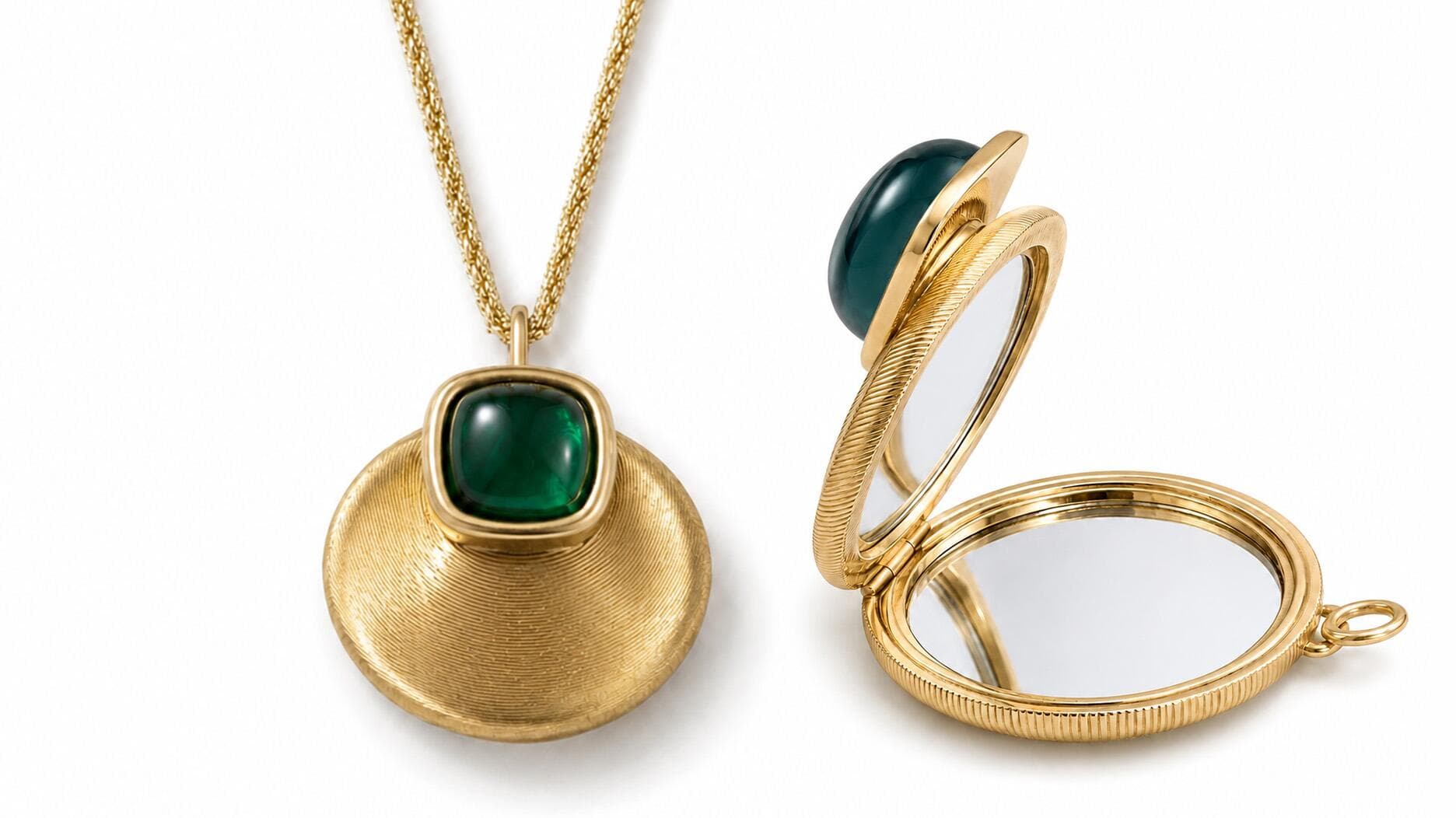
Heirloom Jewelry Is Defined by Craft, Emotion, and Lasting Value
The best heirlooms are not just old. They are well-made, traceable, repairable, and loved enough to survive one more generation.
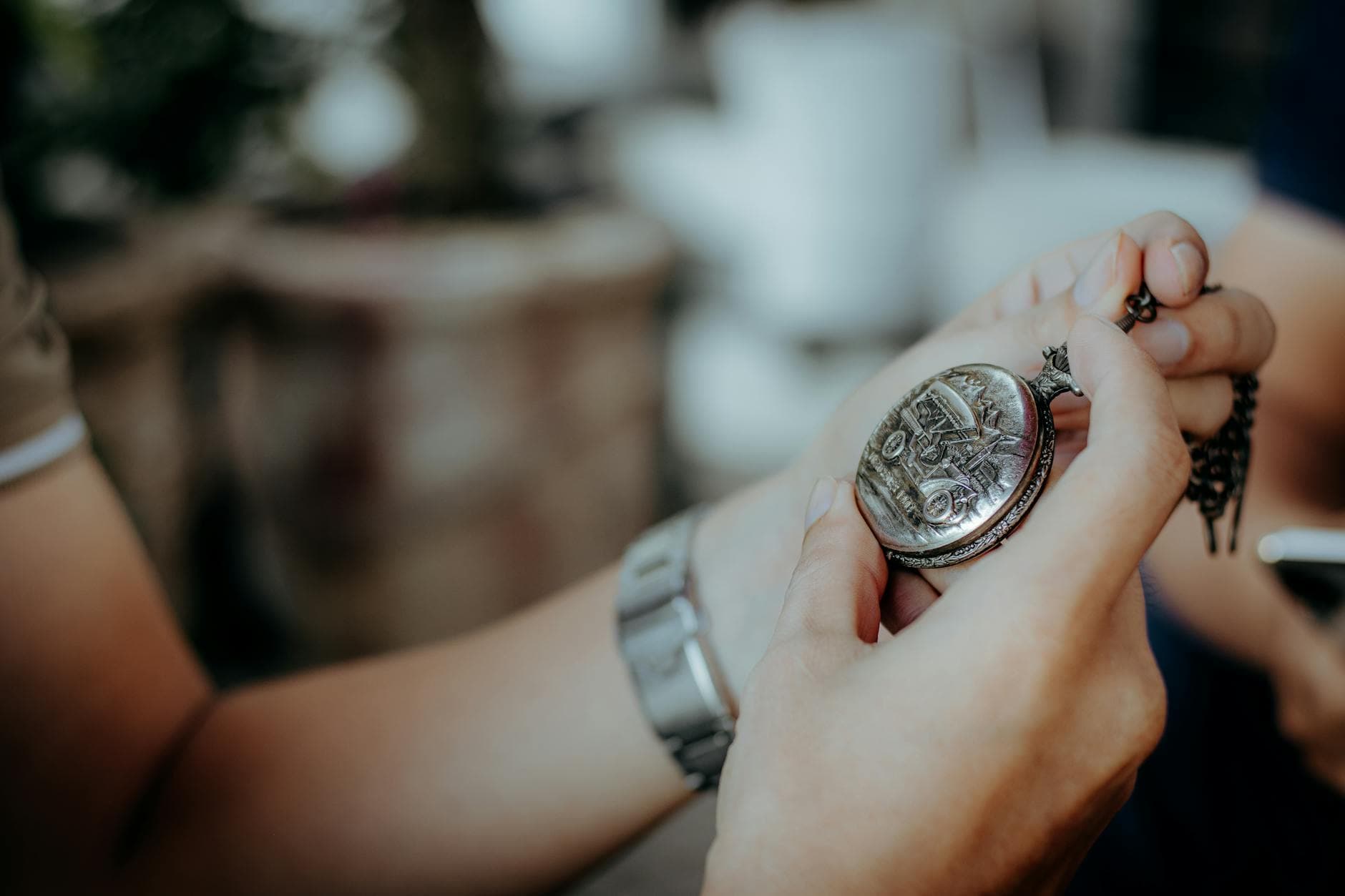
The small archive in your jewelry box
A ring from an estate tray, a brooch tucked into tissue, a clasp stamped with tiny letters: these are not just accessories, they are small archives. The pieces that earn a place in the next generation usually do so because they carry clear signs of craft, a believable history, and a design sturdy enough to survive real wear.
That is the useful shift in thinking behind the modern-heirloom idea. Age alone does not make a jewel worth passing down. What matters is whether the piece feels personal, whether it can be repaired, and whether it still looks right after trends have moved on. In that sense, heirloom jewelry is less about nostalgia than about durability with meaning.
What makes a piece heirloom-worthy
The strongest heirloom pieces tend to do three things at once. They are beautifully made, they can be worn repeatedly without falling apart, and they mean something to the person who owns them. That is why heirloom jewelry is so often tied to engagements, weddings, graduations, and anniversaries, moments when a piece is asked to hold memory as well as value.
The idea is not new. Heirloom traditions are centuries old, and museum collections treat jewelry as a historical artifact shaped by materials, techniques, and social context. The Metropolitan Museum of Art’s *Jewelry for America* makes that plain by spanning three hundred years, from the early eighteenth century to the present day. Jewelry endures because it records how people have dressed, marked milestones, and valued materials across time.
Read the object before you read the story
For estate and vintage finds, the first clues are usually physical. Hallmarks can reveal metal purity, country of origin, or assay information. Maker marks can point to a specific workshop or designer, which matters because a signed piece often tells you more about both quality and collectability than an unsigned one with a louder story.
Look closely at the construction. A heavy, well-joined clasp, a securely set stone, straight prongs, and a shank that still holds its shape suggest a jewel built for repeat wear. A piece that has already been repaired, when the repair is clean and honest, can be more reassuring than one that has survived untouched but fragile.
Signed provenance matters too. A box, original receipt, workshop card, or family note can turn a lovely object into a documented one. The best pass-down pieces do not depend on romantic language alone; they have enough evidence attached to them that the next owner can understand where they came from.
Why craftsmanship matters more than sentimentality
Sentiment is real, but craft is what keeps sentiment intact. A jewel that is beautifully proportioned and structurally sound can be resized, re-set, cleaned, and worn again. A fragile setting, by contrast, can strand a memory in a drawer because it is too risky to use.
That is why durable settings matter so much. Bezels, secure prongs, substantial backs, and robust clasps all signal a piece designed to last beyond one owner’s lifetime. Even in styles that look delicate, the underlying engineering should feel confident. If the piece can be maintained by a skilled jeweler rather than retired after a single generation, it has a much better chance of becoming an actual heirloom instead of a sentimental liability.
What museums and makers reveal about value
The jewelry industry is often discussed as if value is only about stones and precious metal, but the field is far broader than that. Smithsonian reporting on jewelry making highlights a vast industrial and artisanal infrastructure behind a single finished piece. Its collection of more than a million tools shows how much of jewelry’s history lives in hubs, dies, finesse, and force, the hidden labor behind every polished surface and pinprick clasp.
That context matters when you judge a vintage find. A ring with crisp engraving, a brooch with carefully aligned components, or a chain with mechanically consistent links is not just attractive. It is evidence of a skilled process, one that gives a piece its best chance of surviving fashion cycles and family use alike.
The market is rewarding longevity, not just novelty
The appetite for vintage and antique jewelry has widened because shoppers are increasingly drawn to sustainability, individuality, and repurposing. Jewelry was resilient in 2024 even as broader luxury sales softened, and forecasts continue to point to millennial and Gen Z demand as a major driver. That shift suggests buyers are looking past disposable sparkle and toward pieces that feel earned.
Designers have noticed. Some brands now openly describe their work as modern heirlooms or generational jewelry, and names such as GLDN, Garland Collection, TOMTOM Jewelry, and HIE Heirlooms of Hawaii reflect how widely the language has spread. The smartest versions of that idea are not just sentimental branding. They are designs made so well that a later owner would be less likely to alter them.
A practical checklist for estate and vintage shopping
When you are standing over a tray of old rings or brooches, use your eye like a conservator, not a dreamer.
- Check for hallmarks and maker marks first. They can point to metal content, origin, or a known workshop.
- Examine the setting. Stones should sit securely, with prongs, bezels, or mounts that look intentional and intact.
- Study the wear. Honest wear is fine, but bending, thinning, or repeated crude repairs can shorten the piece’s life.
- Ask about repairs and alterations. Clean, professional work is a good sign. Messy soldering or mismatched parts can be a warning.
- Look for provenance. Signed documentation, original packaging, or a family record adds context that future owners can keep.
- Think about repairability. A piece that can be serviced by a competent jeweler is more heirloom-worthy than one that cannot be maintained.
- For stones, ask for independent documentation when appropriate. A grading report from the Gemological Institute of America can help confirm what you are seeing, especially with diamonds and important colored stones.
The heirloom test
A true heirloom does not need to be ancient, expensive, or famous. It needs to be well made, easy to understand, and strong enough to stay in circulation. The most compelling vintage jewels are the ones that still feel alive in the hand, with stamps, settings, and surfaces that tell a story without strain. If a piece can carry memory, withstand repair, and look right in the next century, it has already passed the only test that matters.
This article was produced by Prism’s automated news system from verified source data, official records, and press releases, then run through automated quality and moderation checks before publishing. The system is built and supervised by the people who set the standards it runs under. Read our full AI policy.
Did this article answer your question?