How to read silver jewelry marks, from 925 to Taxco
A silver stamp can open the case, but the clasp, solder, wear, and paperwork tell the truth. Read the mark first, then verify the object.
Start with the stamp, but do not stop there
A silver mark is a clue, not a verdict. The number, word, or emblem may point you toward metal content, maker, or place, but the real story only starts to sharpen when you turn the piece over and look at how it was built, how it wears, and whether the details fit the supposed era. Hallmarks were created to signal legal standards and protect buyers, which is exactly why they matter now, but they were never meant to replace close looking.
Read 925, sterling, and 800 in their proper place
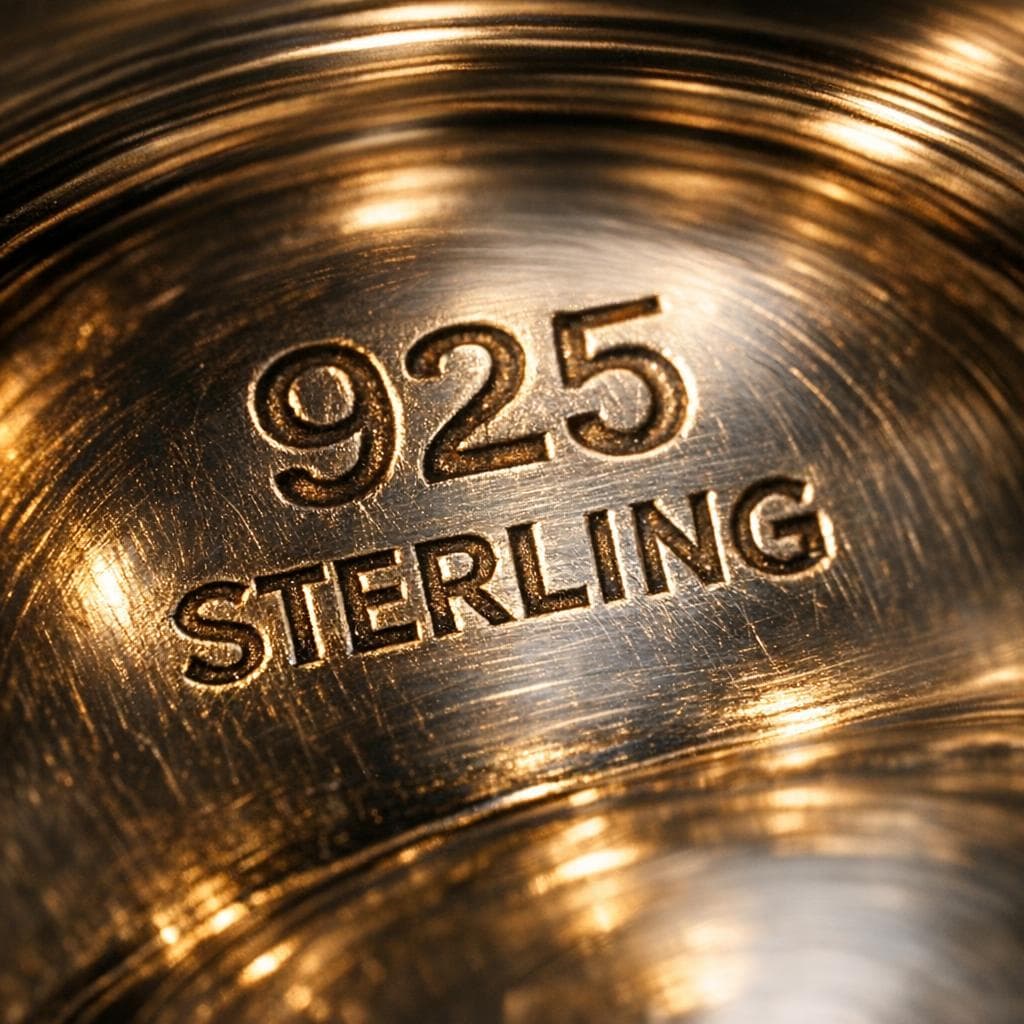
The most familiar silver stamp is 925, and that number is not decorative shorthand. Sterling silver is 92.5 percent silver and 7.5 percent copper, and the FTC Jewelry Guides say terms such as “solid silver,” “Sterling Silver,” “Sterling,” or “Ster.” should be used only when an item is at least 925/1,000ths pure silver. In practice, that makes 925 a purity claim, not a promise of age, rarity, or exceptional value.
The same caution applies to 800, which points to jewelry silver at 80 percent silver and 20 percent copper in some traditions. That lower fineness often turns up on continental pieces, where a mark can reflect a regional standard rather than a hierarchy of quality. Read it as part of a larger sentence written by the object itself, because a neat stamp cannot tell you whether the clasp is original, the shank is honest, or the setting has been rebuilt.
If you encounter a 950 stamp, treat it as another fineness number in the same family, not a shortcut to authentication. A higher figure may suggest higher silver content, but the piece still has to earn its identity through construction, maker history, and condition, not through the stamp alone.
Why hallmarks exist, and what they can actually prove
Hallmarks are stamped symbols that indicate metal conforms to legal standards, and in broader use they can also point to source or origin. In the United Kingdom, hallmarking is a legal requirement for precious-metal items described as silver once they pass certain weight thresholds, and the hallmark record is built from a sponsor’s mark and an assay mark that verifies testing. That system exists because silver has long been vulnerable to false claims, and assay offices still frame their work as consumer protection, not decoration.
That is why an old stamp should never be read in isolation. A piece can carry a correct fineness number and still have a replaced clasp, a later chain, a reset stone, or a reproduction body with an old-looking mark. The stamp tells you what the maker or assayer wanted the metal claim to say; the object tells you whether the claim survives contact with time.
Taxco is a name with real history, not just a tourist word
Taxco carries weight because its silver story is deep. The city prospered in the 18th century on silver wealth from mines linked to the family of José de la Borda, and in the 20th century William Spratling arrived in Mexico in 1927 and spent more than 30 years developing and promoting the silvercraft that made Taxco famous. That means a Taxco mark can signal a genuine design tradition, but it does not automatically date a piece to the classic Spratling era or prove that a bracelet came from a celebrated workshop.
Mexican silver marks reward careful reading. Reference charts show pieces with three-digit fineness marks, the Mexican Eagle mark, and later letter-number systems, and the eagle number can point to a city of assay or a maker. Post-1979 systems are often described as a letter-letter-number code, but the historical record includes variations and exceptions, which is why the mark should be matched against style, soldering, and wear before anyone reaches for a price tag.
Verify the piece in hand
When a silver object lands on your desk or in your palm, move in this order:
1. Find every mark, including the underside, clasp, handle back, rim, bail, or foot.
2. Separate the purity stamp from the maker’s mark, retailer stamp, or pattern number.
3. Check the construction, looking for consistent joins, sensible solder, and a form that fits the supposed period.
4. Compare wear, because honest age usually shows up first on high points, edges, hinges, and settings.
5. Pull provenance and comparable sales before deciding whether the piece is simply silver, collectible silver, or a later reproduction in a convincing skin.
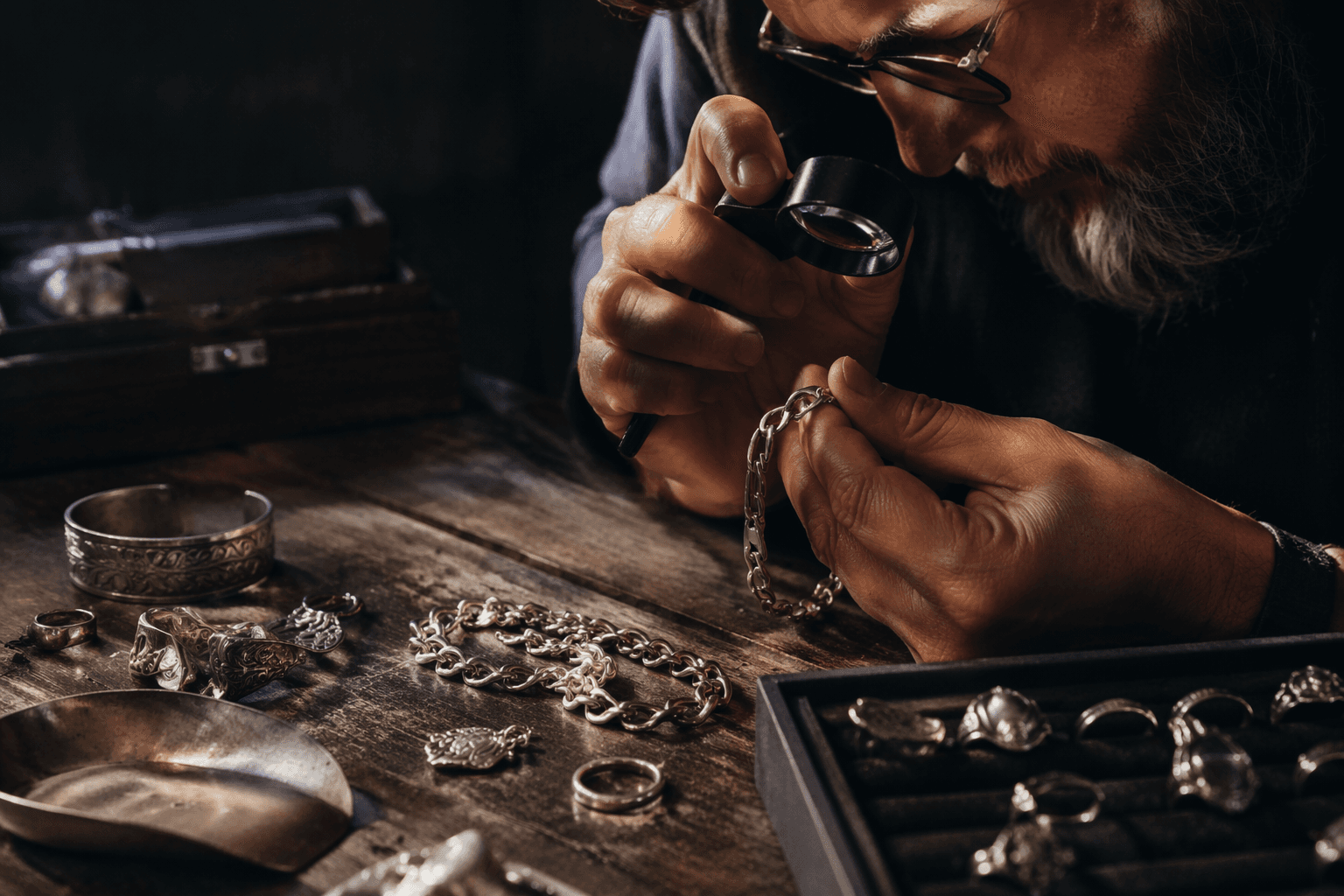
That last step matters more than most stamps do. A sterling ring with clean, period-correct construction and believable wear will usually tell a more trustworthy story than a flashy object with a perfect hallmark and a sloppy interior. The best silver pieces do not ask to be believed at first glance, they reward the eye that keeps going until the evidence lines up.
This article was produced by Prism’s automated news system from verified source data, official records, and press releases, then run through automated quality and moderation checks before publishing. The system is built and supervised by the people who set the standards it runs under. Read our full AI policy.
Did this article answer your question?