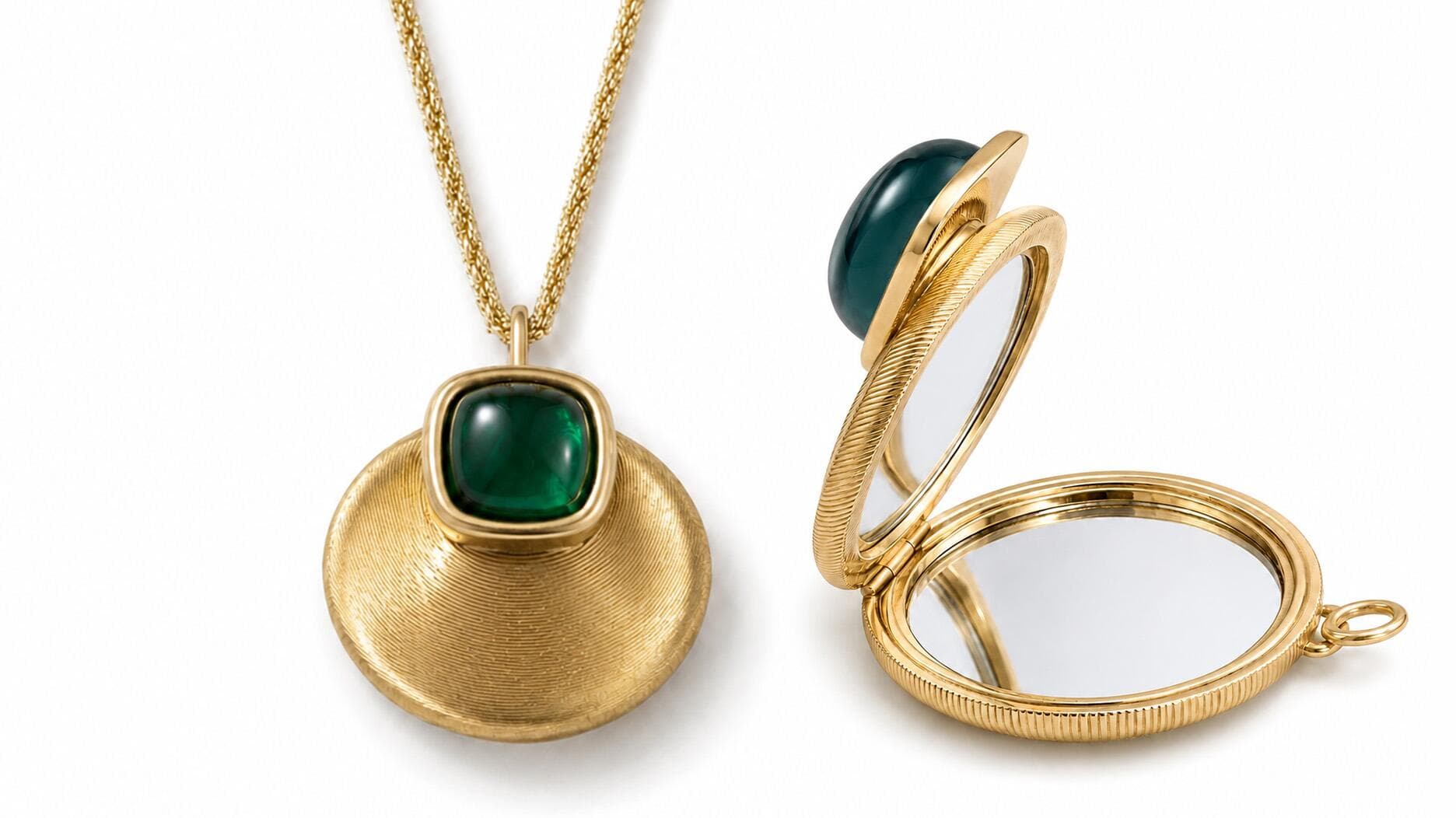
Inherited jewelry, how hallmarks and timing shape its value
A drawer of heirlooms is a set of clues; the first 72 hours can decide what is insured, what is sold, and what stays in the family.
Read the piece before you read the price
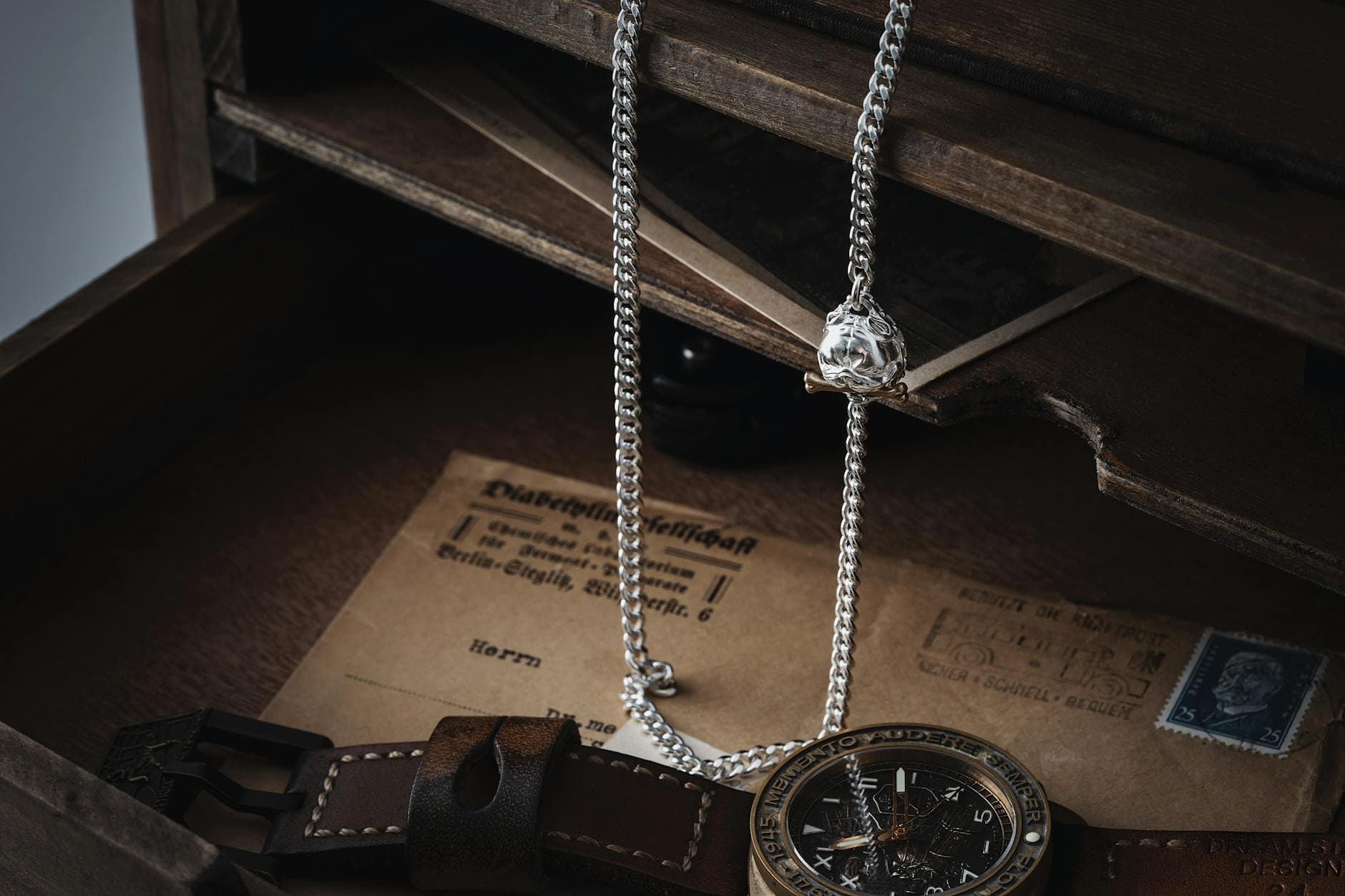
You are not holding a pile of old jewelry. You are holding a small archive, and the first task is to decode it. The clues are rarely front and center. They hide on the underside of a ring shank, inside a clasp, on an earring back, or along the edge of a bracelet where a maker, a place, or a date can be quietly stamped into metal.
That is why inherited jewelry rewards patience before action. A hallmarked silver spoon may tell a different story from a signed brooch, and a diamond ring that looks plain at first glance may reveal a lineage of craftsmanship once you inspect the setting, the solder seams, and the marks tucked away beneath the stone. Jewelry has always carried more than ornament. It has also signaled social rank, status, and belonging, which is part of why a family piece can feel priceless even before anyone puts a number on it.
Start with identification, not intervention
In the first 72 hours, resist the impulse to clean, polish, or “freshen up” anything. Do not take a casual repair offer on trust, and do not let a cracked shank or loose stone be the excuse for an immediate fix. A bad cleaning can blur hallmarks, and a rushed repair can erase the evidence that tells you who made the piece and when.
Instead, make the jewelry legible.
1. Photograph each item in daylight from the front, back, and every side.
2. Record every visible mark, even the faint ones, and note where they appear.
3. Separate signed pieces from unsigned ones.
4. Keep damaged items as they are until they have been documented.
5. Put each piece in its own soft pouch or compartment so settings do not rub against one another.
British silver is a perfect example of why this matters. Hallmarks on silver from Britain were designed to identify the maker, the place, and the date of manufacture, which makes them among the most useful dating tools for vintage pieces. The duty mark was eliminated in 1890, so its presence or absence can help narrow the period immediately. On a family silver bracelet or compact, that tiny stamp can be the difference between a vague old piece and a piece with a documented history.
Look for the name on the metal
Maker’s marks tie an object to a house, a workshop, or a designer, and that link can materially shape value. Tiffany & Co., established in New York City in 1837 by Charles Tiffany, became one of the great names in American jewelry. Within its orbit, designers and craftsmen such as Louis Comfort Tiffany and Edward C. Moore helped define what a signature object could mean, not just as luxury, but as authored design.
That is the important distinction. A brooch with a recognizable maker’s mark is not simply “old.” It can be traceable. Museums have long used signed examples to map artistic output, and a marked jewel or silver piece can connect a family drawer to a named house, a particular workshop, or a specific period of manufacture. If you find a stamp, treat it like evidence, because in the jewelry world, it often is.
Match the appraisal to the goal
Timing shapes value more than most people expect. For U.S. tax purposes, inherited property is generally valued at its fair market value on the date of the decedent’s death, unless an executor elects an alternate valuation date on Form 706. That date matters because a later sale price, an insurance appraisal, or a charitable deduction may point to very different numbers.
The Internal Revenue Service defines fair market value as the price a willing buyer and willing seller would agree on, with neither under compulsion and both reasonably informed. That is not the same thing as replacement cost. An insurance appraisal reflects what it would cost to replace the jewelry, not what the market would necessarily pay for it. If the piece is donated, the charitable deduction is based on fair market value, not the insured value.
This is where families can lose clarity. A ruby ring insured for a high replacement figure may still sell for less, while a modest-looking vintage pendant with documented provenance could outpace its insurance number if the maker, condition, and period are right. The value you need depends on the decision you are making.
Bring in the right appraiser
A proper appraisal is not a guess, a retail tag, or a dealer’s offer dressed up as expertise. The Gemological Institute of America describes an appraisal as both a description and a valuation of property, and the best appraisal is performed by an independent appraiser. Many appraisal associations expect that person to hold a GIA Graduate Gemologist diploma plus additional appraisal training.
That level of training matters because jewelry valuation lives at the intersection of gemology, metalwork, condition, and market context. A good appraiser can distinguish a bezel from a prong setting, identify whether a stone is sympathetically replaced, and explain why a scratched mount or worn facet junction changes the number on the page. Independence matters because the appraisal should tell you what the piece is, not what someone hopes to pay for it.
Then decide: insure, sell, divide, donate, or keep
If the jewelry is headed back into regular wear, insurance should follow the replacement value, not the inherited tax basis. If you are planning to sell, the market will respond to identification, maker, condition, and documentation, and a clean paper trail can be as persuasive as a pedigree. If the piece will be divided among siblings or cousins, appraised values make the splitting less emotional and far more exact.
If you plan to donate, remember that the deduction turns on fair market value, not the insurance figure. That single distinction can change how a gift is recorded and how it is understood. If you plan to keep the piece in the family, the work you have done still matters, because you now know what the object is, where it came from, and how it should be cared for.
That is the deeper value of the first 72 hours. You are not just sorting jewelry. You are converting memory into record, so the next decision, whether financial, familial, or simply sentimental, rests on something sturdier than instinct.
This article was produced by Prism’s automated news system from verified source data, official records, and press releases, then run through automated quality and moderation checks before publishing. The system is built and supervised by the people who set the standards it runs under. Read our full AI policy.
Did this article answer your question?