Las Vegas jewelry week spotlights minimalist settings and vintage revivals
Las Vegas split between pared-back solitaire settings and antique-inspired treasures, proving that vintage style is being remade, not retired.

Las Vegas Jewelry Week made one thing unmistakable: the market still wants history, but it wants it edited. Across the city’s major shows, the most visible jewelry leaned into clean, architectural settings, while antique and estate dealers doubled down on provenance, signed names, and the emotional charge of the original object. The result was a week that felt less like a tug-of-war than a split screen, with modern minimalism on one side and vintage authority on the other.
Minimalism, but with presence
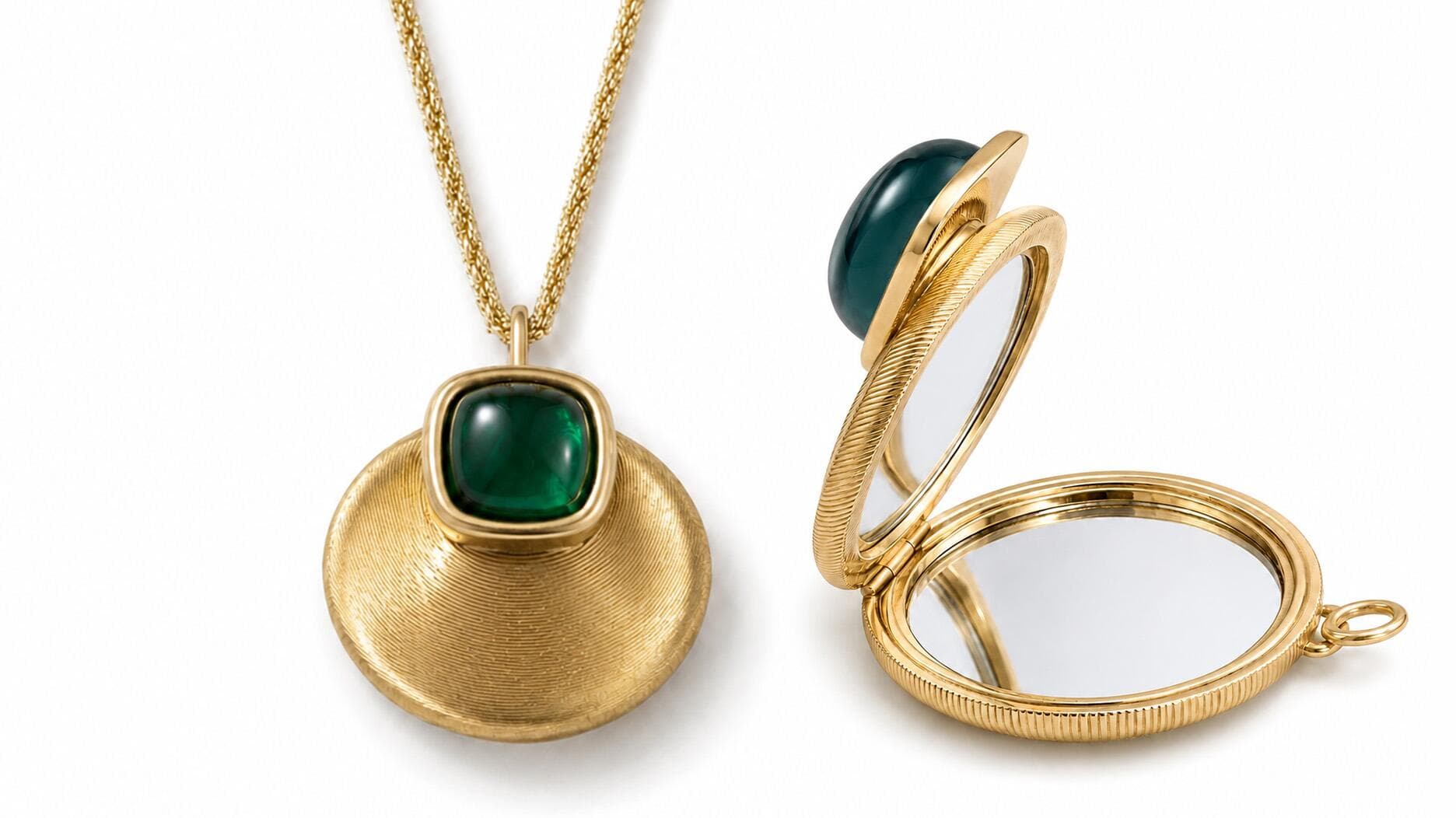
The dominant look across JCK, Luxury, and Couture was minimalist in structure but not in scale. Large solitaire-style diamonds sat in high-polish, mostly yellow gold settings, often with the kind of crisp geometry that makes a stone feel more like a focal point than a flourish. Rigid collar necklaces, torques, and substantial gold bands with a single bezel-set diamond gave the trend its authority: these were not delicate pieces, but assertive ones.
That bezel setting matters. By enclosing the stone in metal, it turns a diamond into a clean graphic statement, trading the airy sparkle of prongs for a more sculptural outline. In a market long intoxicated with antique diamonds and old cuts, that shift reads as a contemporary answer, not a rejection. The antique look remains desirable, but the setting is being stripped down until it feels modern again.
Natural diamonds also appeared in bolder, more fashion-forward forms throughout the week, which suggests the appetite for them has not softened so much as changed shape. Buyers are still drawn to character and weight, but the styling is less about recreating a period jewel exactly and more about translating that mood into something current.
Why the old story keeps resurfacing
The fascination with vintage style is not fading, but it is fragmenting into usable parts. Marquise shapes were back in the conversation, and that cut carries a very specific memory: the engagement rings of the 1980s and 1990s. Mixed-shape diamond combinations and open rings were also everywhere, which says a great deal about where the market is headed. Instead of one rigid signature, designers are borrowing a language of old silhouettes and recomposing it for a client who wants familiarity without literalism.
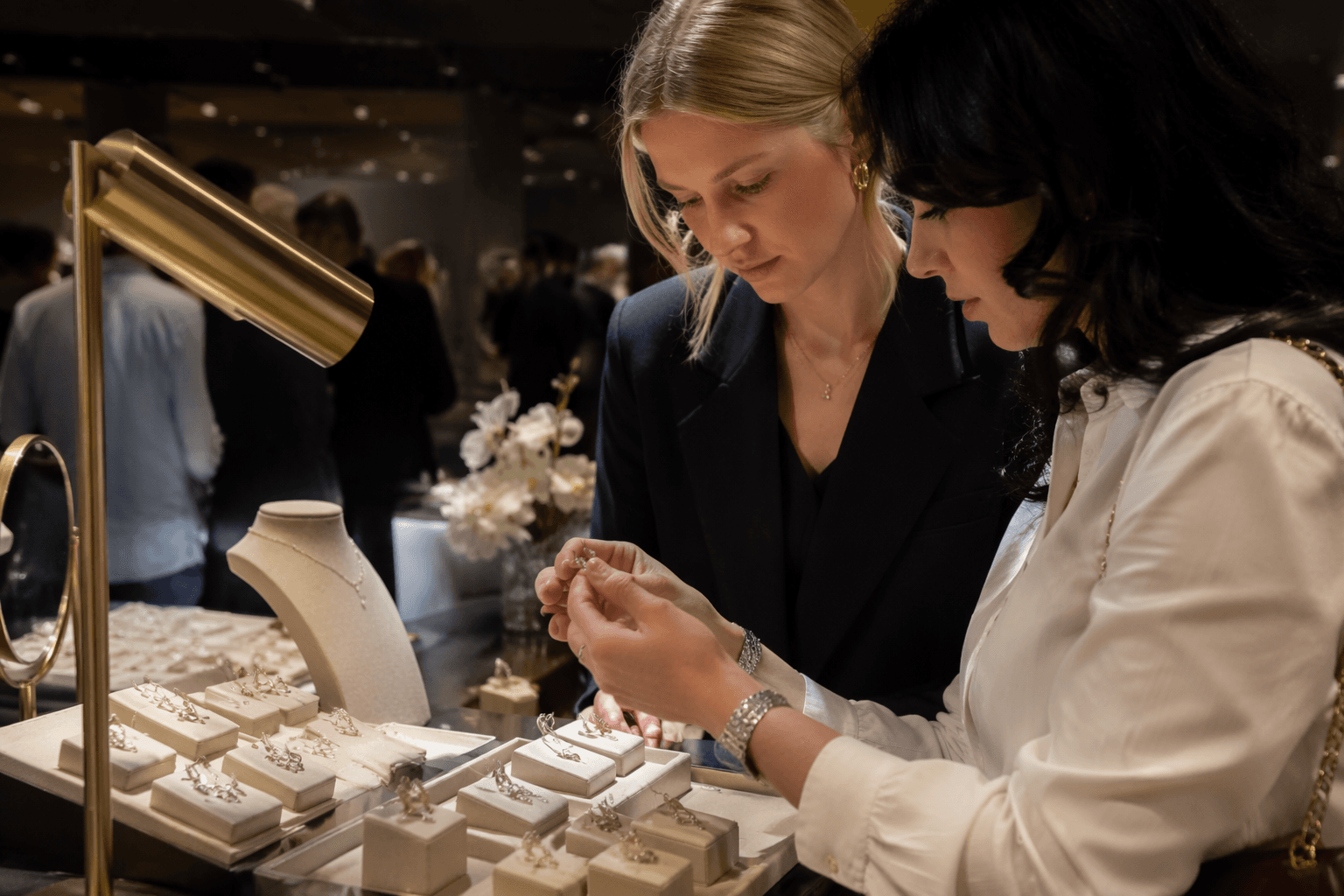
That is why the current vintage mood feels durable. It is not dependent on one era or one cut; it survives because designers can keep recycling its best-known gestures. A marquise center, an open ring, a cluster of mixed cuts, a bezel frame around a strong stone: each of these references history, but none of them is trapped in it.
Couture’s historical references felt more layered
Couture pushed the conversation even further back, drawing from styles that ranged from the 17th century through the 1970s. Paperclip, trombone, rounded curb, and mariner links reappeared with diamond accents and a contemporary sensibility, which made them feel less like costume and more like distilled memory. These chain forms are especially revealing because they are structurally simple; once they are polished and reinterpreted with stones, their lineage becomes visible without overpowering the piece.
That is the real lesson of the week’s vintage revival. The strongest designs were not literal reproductions, but hybrids that preserved the silhouette, the link pattern, or the old-world proportion while tightening the execution. In other words, the past is proving most useful when it is trimmed, brightened, and made wearable against modern wardrobes.
Charms, smaller scales, and the economics of desire
Charms were another clear signal of how the market is adapting. They were everywhere in Las Vegas, but many brands offered smaller or “mini” versions, a practical response to gold hovering near $4,500. That move was not just a cost strategy; it also changed the emotional scale of the category. Smaller charms are easier to collect, easier to layer, and easier to merchandise as entry-level luxury without losing the sense of personal narrative that makes charms compelling in the first place.
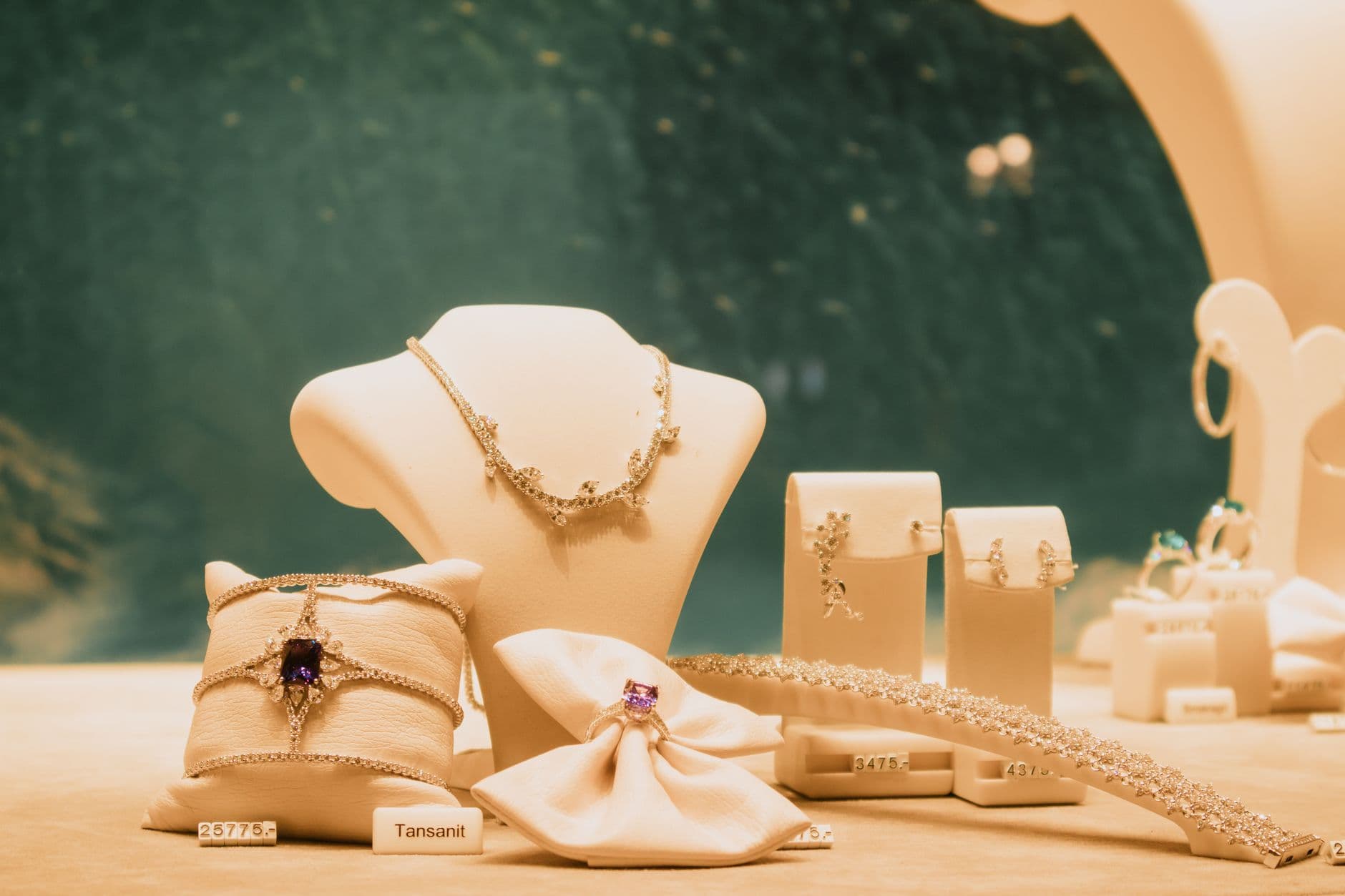
This is where vintage style and contemporary sales strategy meet. The charm’s appeal has always rested on memory, luck, and accumulation. Making it smaller does not erase that appeal, but it does make the piece feel more modular, more casual, and more compatible with the way clients actually wear jewelry now. The antique impulse is still there, yet it is being packaged in sizes that fit a more pragmatic market.
The antique show gave the week its provenance argument
At Wynn Las Vegas, the Las Vegas Antique Jewelry & Watch Show supplied the counterweight to all that polished modernity. Running from May 28 through May 31, 2026, it was the only dedicated destination during Las Vegas Market Week for sourcing vintage, period, and estate jewelry and timepieces. Nearly 400 dealers brought material across Georgian to contemporary eras, and the show was expected to draw about 7,000 attendees across four days.
The strength of that show was not just volume, but pedigree. Signed pieces from Cartier, Rolex, David Webb, Van Cleef & Arpels, Verdura, Bulgari, and Tiffany & Co. anchored the conversation, reminding buyers that collectibility still depends on recognizable authorship and documented lineage. In a market crowded with vintage-inspired new work, those names matter because they carry the authority of the original object, not just its aesthetic echo.
For anyone reading the week as a market signal, the conclusion is clear. Antique-diamond enthusiasm is not disappearing, but it is no longer confined to obvious old-cut romance. In 2026, vintage influence is being recast through cleaner settings, mixed cuts, historical chain forms, and smaller, smarter formats, while true vintage dealers continue to trade on rarity, signed provenance, and the unmistakable value of history made material.
This article was produced by Prism’s automated news system from verified source data, official records, and press releases, then run through automated quality and moderation checks before publishing. The system is built and supervised by the people who set the standards it runs under. Read our full AI policy.
Did this article answer your question?