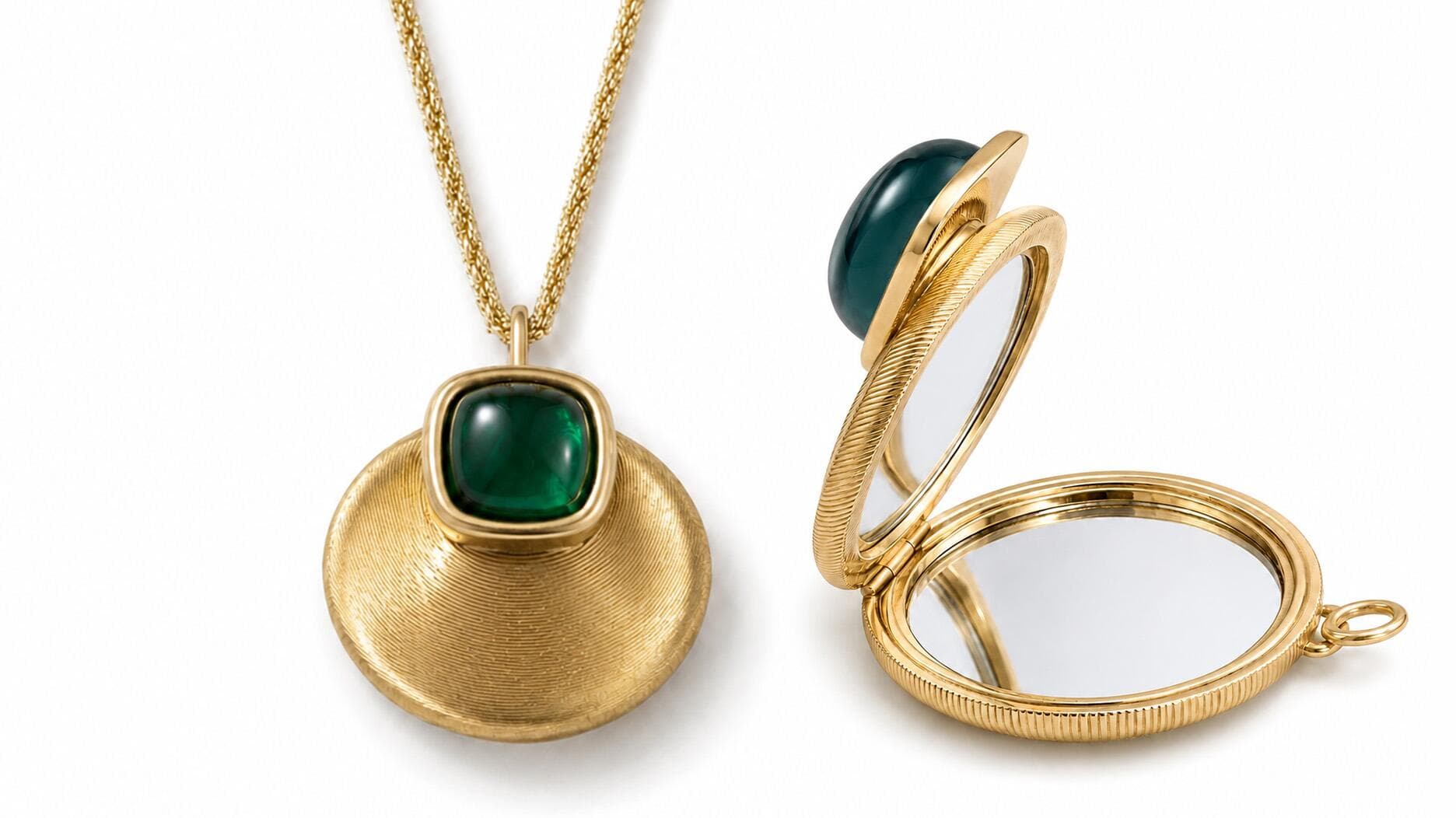
London’s vintage jewelry boutiques reveal hidden gems and historic finds
London’s best vintage jewelry stops reward patience, from Portobello Road finds to Hatton Garden’s centuries-old trade legacy and auction-sourced one-offs.
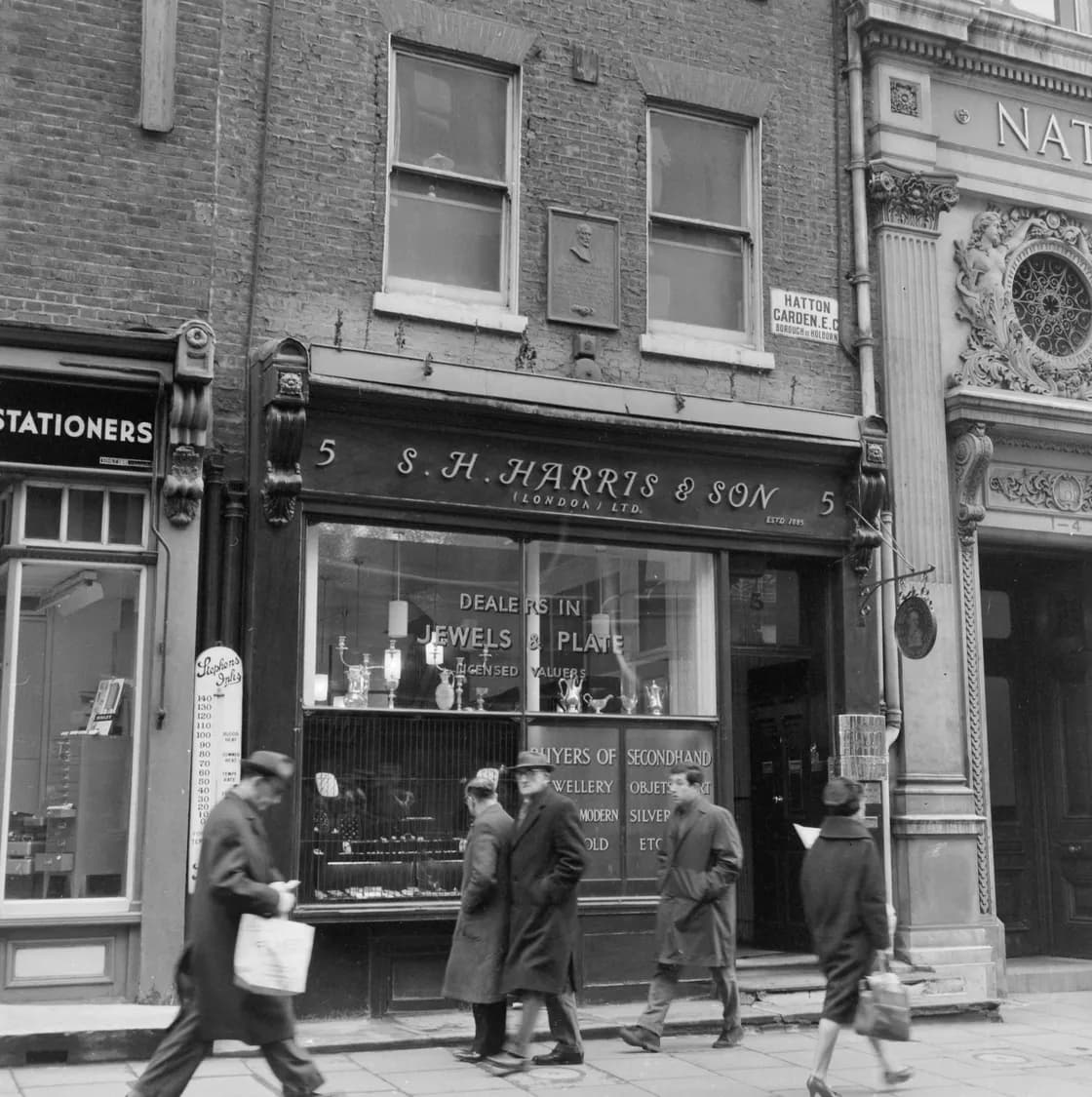
London’s vintage jewelry scene rewards the collector who shops with curiosity and asks sharper questions. From Portobello Road to Knightsbridge, these boutiques sit inside a trade history that reaches back to Hatton Garden’s medieval market roots, its rise in 1581 under Sir Christopher Hatton, and the diamond boom that accelerated in the 1880s. The appeal is not only sparkle, but patina: pre-loved pieces carry a sense of history, and the right one feels like wearable art with a past.
Why London still matters to vintage jewelry collectors
London is unusually strong terrain for vintage jewelry because the city treats jewelry as both commerce and culture. Hatton Garden remains the UK’s largest jewellery quarter, with more than 70 jewellery shops and nearly 300 jewellery businesses, which means the city’s resale and restoration ecosystem is deep enough to support serious hunting as well as casual browsing. That scale matters: when a market is this established, you are more likely to find unusual settings, older stone cuts, and pieces with real provenance rather than anonymous costume leftovers.
The story of the district also gives the hunt a certain gravity. Hatton Garden first came to prominence in 1581, when Sir Christopher Hatton was gifted Ely Place by Queen Elizabeth I, and its marketplace roots stretch back to medieval times. By the 1880s, its role in Britain’s diamond trade had intensified, and the quarter’s lore still carries the drama of the 1993 Graff workshop robbery, which involved £7 million worth of diamonds and was London’s biggest jewel robbery at the time, as well as the Hatton Garden Safe Deposit burglary over Easter weekend in 2015.
Hatton Garden’s legacy, and what it teaches you to look for
Hatton Garden matters even when you are shopping elsewhere in London because it sets the standard for what a serious jewelry district looks like. The area’s history explains why London buyers tend to value workmanship, not just flash: a well-cut stone, a secure mounting, an original clasp, and the quiet authority of a piece that has survived long enough to be restored thoughtfully. In a city shaped by centuries of trade, the best vintage finds are often the ones that still read cleanly under close inspection.
That is also why provenance and restoration should sit at the top of your questions. Ask what has been replaced, what has been cleaned, and whether the setting has been altered. For a collector, the difference between an honest repair and a heavily rebuilt piece can be the difference between a jewel with character and one that only looks old.
Portobello Road: fashion-forward vintage with a collector’s instinct
Portobello Road is where London’s vintage scene becomes more editorial, less formal, and often more personal. Lovers Lane Vintage operates from 77 Portobello Road and the market itself, and its focus on rare, unique, one-of-a-kind designer clothing, handbags, jewellery and accessories makes it especially appealing if you want your jewelry to sit comfortably alongside a wardrobe, not just in a velvet box. This is the stop for a buyer who likes the idea of a jewel as part of a larger style story.
The Hirst Collection, also on Portobello Road in Notting Hill, says it has London’s largest collection of vintage and contemporary jewellery, and that breadth is the point. If you want to compare eras, stones, and silhouettes in one place, this is the kind of room that lets you see how a Georgian-inspired mounting differs from a more modern line, or how a sapphire cluster reads beside a more minimal gold design. For someone buying a first serious vintage piece, scale is useful because it sharpens the eye.
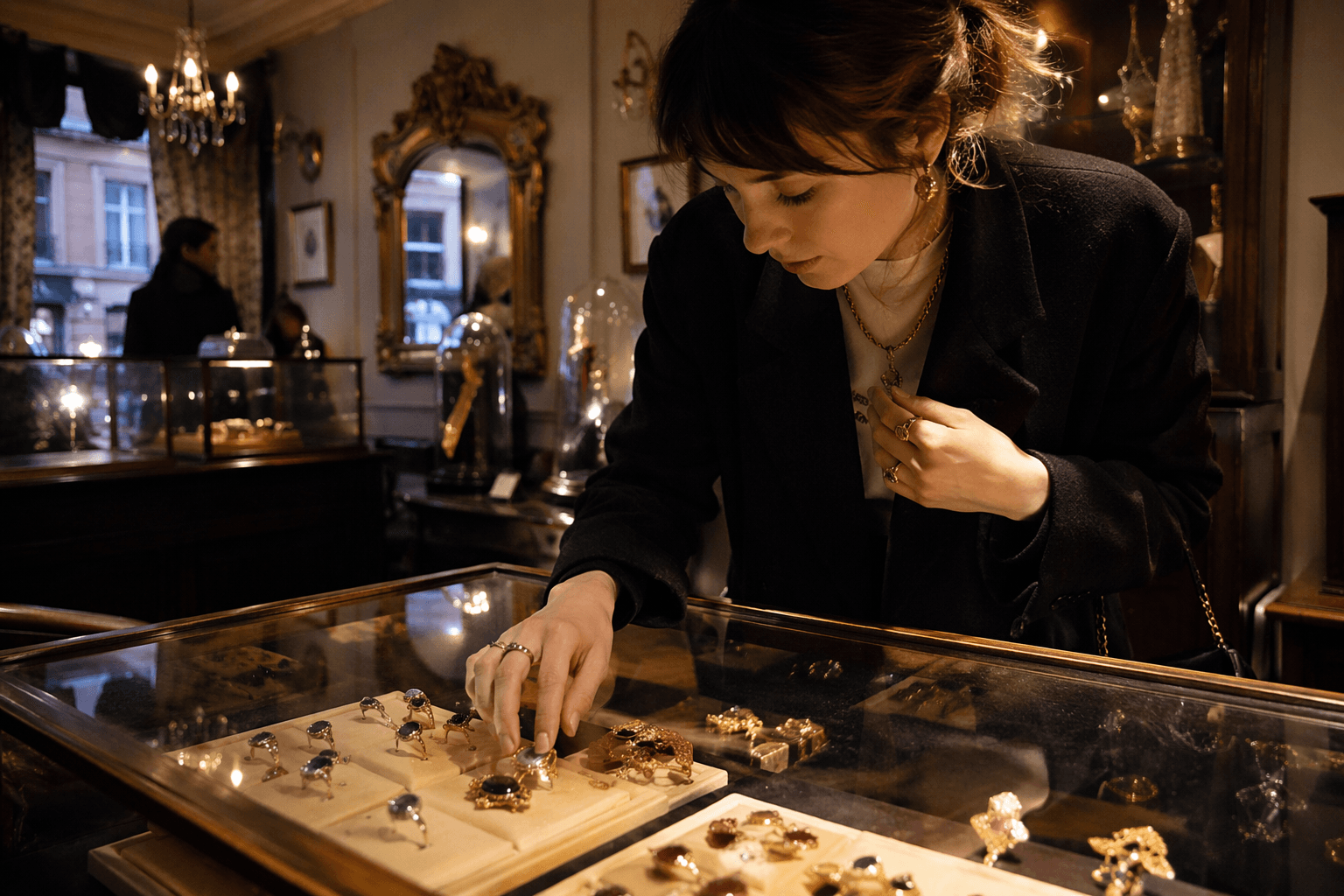
What each boutique does best
Lovers Lane Vintage
Lovers Lane Vintage is the most fashion-led of the four stops, and that is its strength. Because it specializes in designer clothing, handbags, jewellery and accessories, it suits a buyer who wants a jewel with stylistic context, something that feels discovered rather than merely purchased. If you are building a look around a bracelet, brooch, or pair of earrings, the shop’s mix encourages that kind of layered thinking.
The Hirst Collection
The Hirst Collection is the one to prioritize if your goal is comparison and range. Its claim to hold London’s largest collection of vintage and contemporary jewellery makes it particularly useful for anyone trying to understand what distinguishes a finely made piece from a merely decorative one. A broad selection also helps you identify what you love, whether that is older goldwork, colored stones, or cleaner contemporary lines.
Nordic Poetry
Nordic Poetry, founded by Swedish stylist Ameli Lindgren, is a London-based designer-vintage destination with a more defined point of view. That kind of curation is valuable when you want signed or design-conscious pieces rather than an undifferentiated pile of stock. If your taste runs to clean presentation, disciplined selection, and the confidence that comes from a strong eye behind the buying, this is the boutique that deserves attention.
Knightsbridge Rocks
Knightsbridge Rocks is the stop for the collector who cares about sourcing as much as silhouette. Its pieces come through auctions, estate sales, dealers, and private collections, which is exactly the sort of pipeline that can turn up unusual jewels with clearer histories and more singular character. If you are hunting for a piece that feels less like inventory and more like an object rescued from a private archive, this is where the detour becomes worthwhile.
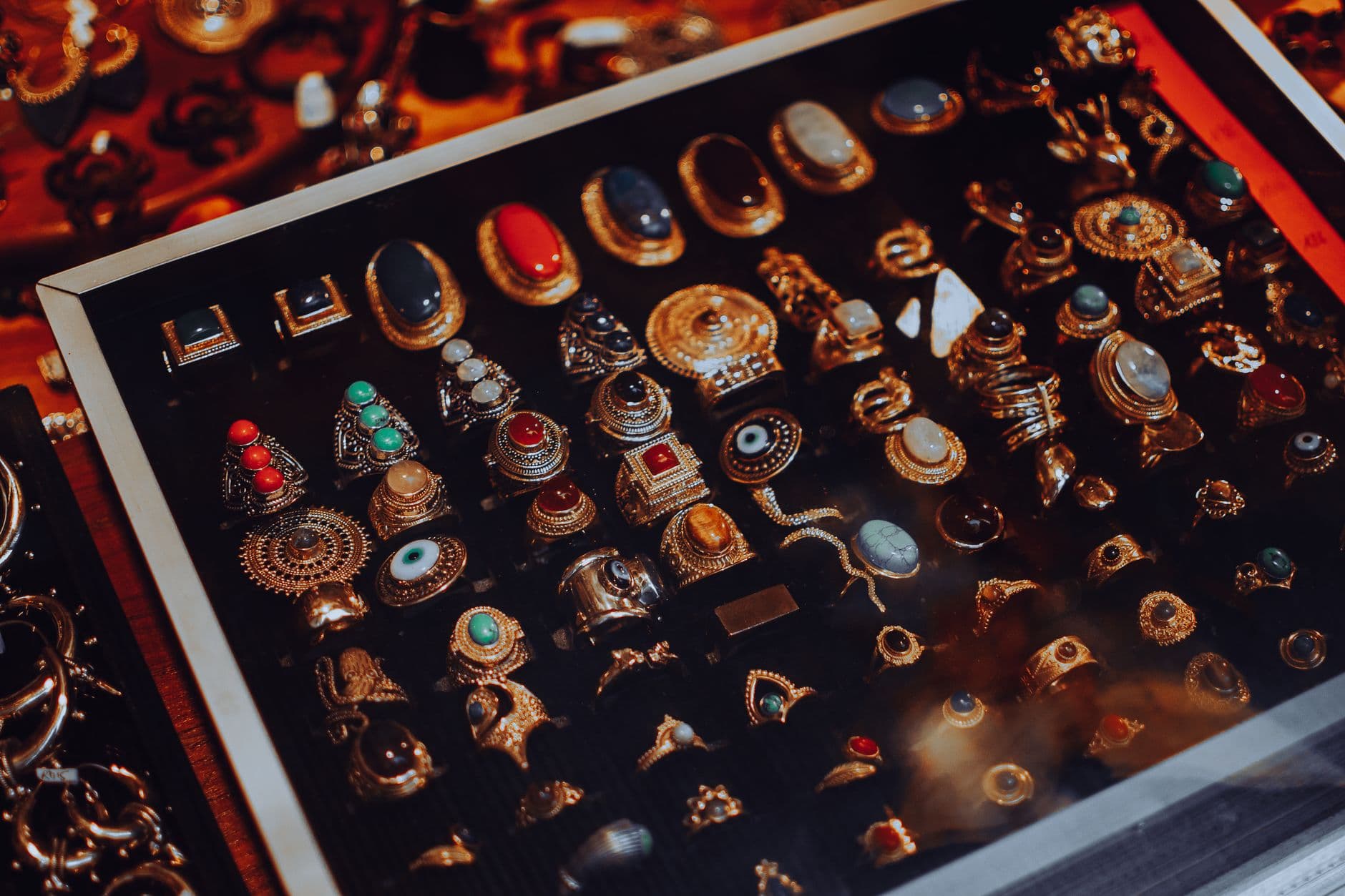
How to shop for true one-off gems
The best vintage jewelry hunts are part instinct, part due diligence. You are not just buying a design; you are buying metal, stones, workmanship, and whatever restoration history comes attached to them. Before you commit, ask for clarity on the piece’s age, any alterations to the mount or setting, and whether stones, clasps, or fittings have been replaced.
A practical field checklist helps:
- Ask what restoration has been done, if any.
- Ask whether the stones are original to the piece.
- Ask for hallmarks, maker’s marks, or any documented provenance.
- Ask how the piece was sourced, especially when a boutique works through auctions, estate sales, or private collections.
- Examine the setting closely, because an honest repair is very different from a heavily reconfigured jewel.
That attention matters most when the piece is meant to be worn, not just admired. A bezel setting, for instance, can protect a stone differently from prongs, and an older clasp or mount can tell you as much about authenticity as the gem itself. In a city with London’s depth of trade, those details are the difference between a pretty object and a collectible.
Why pre-loved jewelry feels especially current
The case for vintage has become stronger because the market itself is changing. Trade coverage points to growing consumer demand for pre-loved, upcycled, and repaired jewelry, and younger shoppers are increasingly comfortable buying pre-loved. The Office for National Statistics has also published a 2026 release tracking enterprise counts, employment, employees and turnover in the UK and London jewelry industry across 2021 to 2025, which underscores how substantial the sector remains.
That larger market context matters because it explains why these boutiques resonate beyond nostalgia. Pre-loved jewelry is no longer a fallback choice; it is a way to buy something distinctive, often better made than contemporary mass-market pieces, while extending the life of existing materials. In London, the smartest vintage purchase is the one that feels both beautifully worn and intelligently chosen, a piece with enough history to hold its own and enough workmanship to live another century.
This article was produced by Prism’s automated news system from verified source data, official records, and press releases, then run through automated quality and moderation checks before publishing. The system is built and supervised by the people who set the standards it runs under. Read our full AI policy.
Did this article answer your question?