Old mine cut diamonds move from niche to bridal mainstream
Old mine cuts are no longer just for collectors: their candlelit glow, irregular facets, and finite supply are reshaping bridal buying.
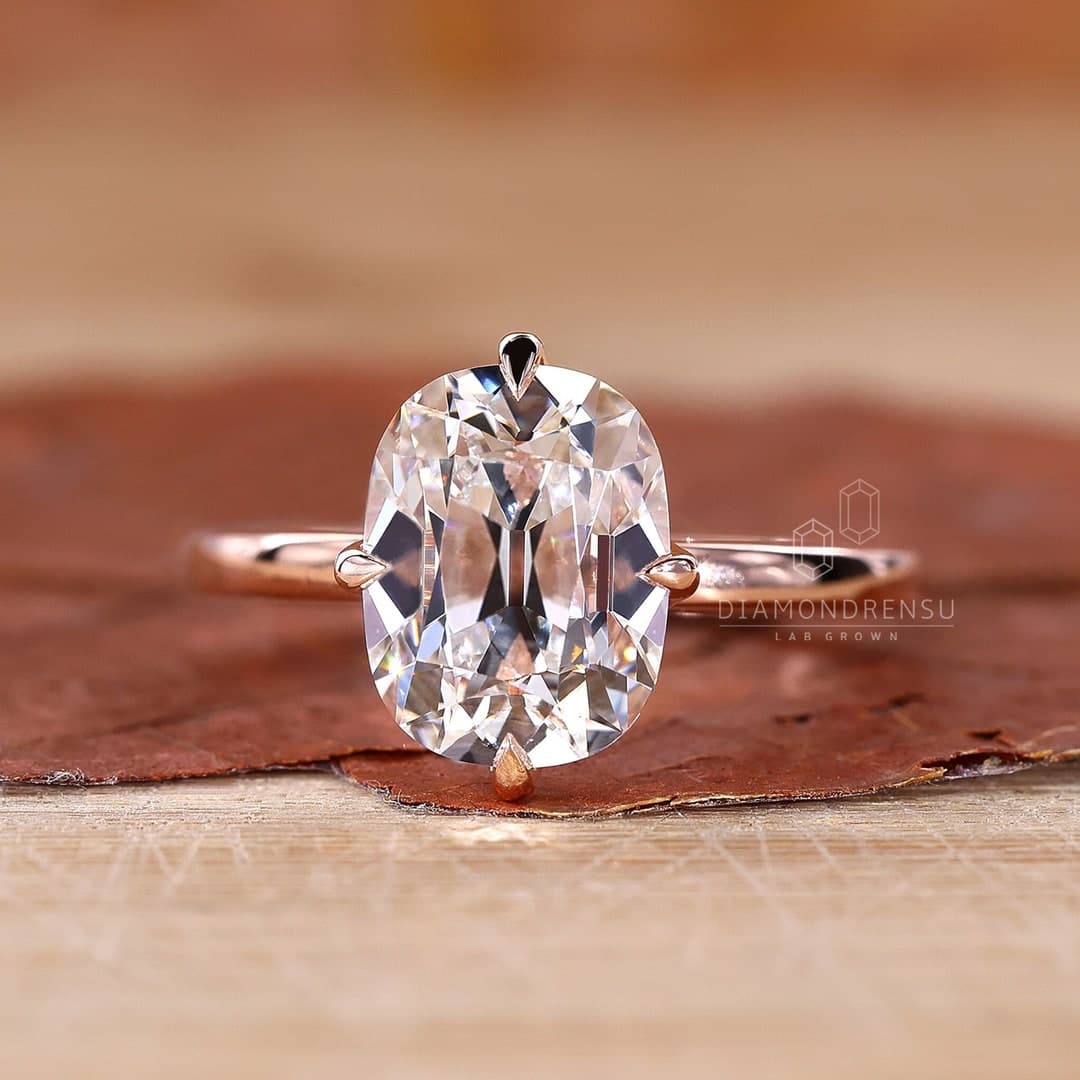
The ring looks different before it even catches the light
Hold an old mine cut diamond between tweezers and it reads like a different era. The table is smaller, the crown rises higher, the culet can open like a tiny window at the center, and the outline often keeps a slight irregularity that modern production smooths away. That looseness is the point: these stones were hand-cut to sparkle in candlelight, not under the harsh, white brightness that dominates today’s display cases.
That visual difference is exactly why the old mine cut has moved from specialist vocabulary into bridal conversations. The appeal is not just that it looks antique. It is that it looks authored, with quirks that signal a human hand, a specific period, and a stone that was never meant to be one of many nearly identical peers.
What makes an old mine cut an old mine cut
GIA places the old mine cut from the early 18th century to the late 19th century, with especially strong roots in Georgian and Victorian jewelry. In Georgian Britain, from 1714 to 1837, and Victorian Britain, from 1837 to 1901, these stones were common because they suited the light and the jewelry-making of the time. They were often cut by bruters, and the result was a diamond with a softer, less rigid geometry than the modern round brilliant.
The historical context matters. GIA notes that the term “old mine cut” likely became common in the late 1800s, when diamond production from Africa began to eclipse the older mines of Brazil and India. In other words, the name itself reflects a changing diamond world: one rooted in earlier sources, later labeled as the market shifted toward new supply.
For modern buyers, those details are not academic. They are part of the stone’s identity. The smaller table, larger culet, higher crown, and slightly irregular proportions are what create that chunky, flickering pattern collectors prize. Where a modern brilliant is engineered for maximum symmetry and precision, an old mine cut feels more intimate, with light breaking in broader, softer flashes.
Why bridal buyers are suddenly looking backward
The antique and estate jewelry market has long been niche, drawn to buyers who wanted uniqueness with historical context. Jay Moncada, whose perspective JCK spotlighted, sees that world moving well beyond a narrow collector base and into custom bridal. His shorthand is telling: people no longer want only a short list of standard options. They want individuality by color, cut, quality, or distinctive characteristics that were not always fashionable before.
That shift has practical consequences. As demand rises, sourcing becomes harder because antique stones are finite. Unlike newly cut diamonds, they do not come from an endless pipeline. They depend on the existing estate market, which means every new wave of interest tightens supply a little more.
Natural Diamonds has also pointed to the same demand driver from another angle: antique cuts offer historical significance and a softer light than modern precision cuts. That softer light is not a flaw to today’s buyers. It is the romantic register they are seeking, especially when the ring needs to feel personal rather than perfect.
Taylor Swift made the style legible to a much wider audience
Celebrity attention did not create the trend, but it gave it a spotlight bright enough to change the conversation. Coverage in 2025 linked Taylor Swift’s engagement ring to an old mine cut or old mine brilliant style, and jewelers quoted in that coverage described a clear spike in demand. National Jeweler later reported that a ring featuring a natural old mine-cut diamond sold while its story was being written, a strong sign that the market was not merely admiring the look, but actively buying it.
That matters because Taylor Swift’s ring signaled a departure from the long-standing expectation that the “best” engagement stone should be the most brilliant, most standardized diamond available. Instead, the ring made room for character, warmth, and history. Independent jewelry publications have treated that as a major catalyst for renewed interest in antique diamonds, especially among brides who want something storied without looking costume-like.
The style now sits at an intersection that used to be more separate: collector taste, celebrity visibility, and practical bridal buying. That is how a niche cut becomes mainstream. Not by losing its old identity, but by being translated into the language of engagement.
How to tell a true antique from a vintage-inspired ring
The fastest mistake buyers make is confusing an old-style setting with an old stone. A vintage-inspired engagement ring can borrow milgrain, filigree, or a cushion-shaped outline and still contain a modern diamond. The antique look is not the same as antique provenance.
Look for these clues:
- A visible culet: old mine cuts often have a larger culet, which can appear as an open point at the center when the stone is viewed face-up.
- A smaller table and higher crown: those proportions are part of the old cut profile and help create its candlelit sparkle.
- Slight irregularity: true antique stones often have subtle asymmetry that machine-cut modern brilliants usually do not.
- Chunkier facet pattern: the facets tend to read broader and less uniform than the tight, mathematically balanced pattern of a modern brilliant.
- A softer overall light: instead of the sharp, uniform return that many buyers expect from contemporary diamonds, old mine cuts often look more textured and romantic.
If a seller is calling a diamond antique, ask for the story behind that claim. Estate history, prior mounting evidence, and clear documentation should all line up. If the ring is described as “old mine style” or “antique-inspired,” that usually means the design is borrowing the visual language without guaranteeing a historic stone. That distinction is the difference between a period diamond and a present-day interpretation.
Why the appeal feels bigger than fashion
Part of the draw is emotional, but part of it is also practical and ethical. Antique stones extend the life of material that already exists, which gives the category a sustainability-minded edge without pretending that provenance questions disappear. Reuse is still a supply chain, and buyers who care about ethics should ask where the stone came from, how it entered the estate market, and what, if any, documentation supports the seller’s claim.
That is the deeper reason old mine cuts have broken into bridal mainstream. They let a ring carry visible history while still feeling current. In a market once dominated by polished sameness, the old mine cut offers something rarer than size or sparkle: a stone whose imperfections are part of its value.
This article was produced by Prism’s automated news system from verified source data, official records, and press releases, then run through automated quality and moderation checks before publishing. The system is built and supervised by the people who set the standards it runs under. Read our full AI policy.
Did this article answer your question?