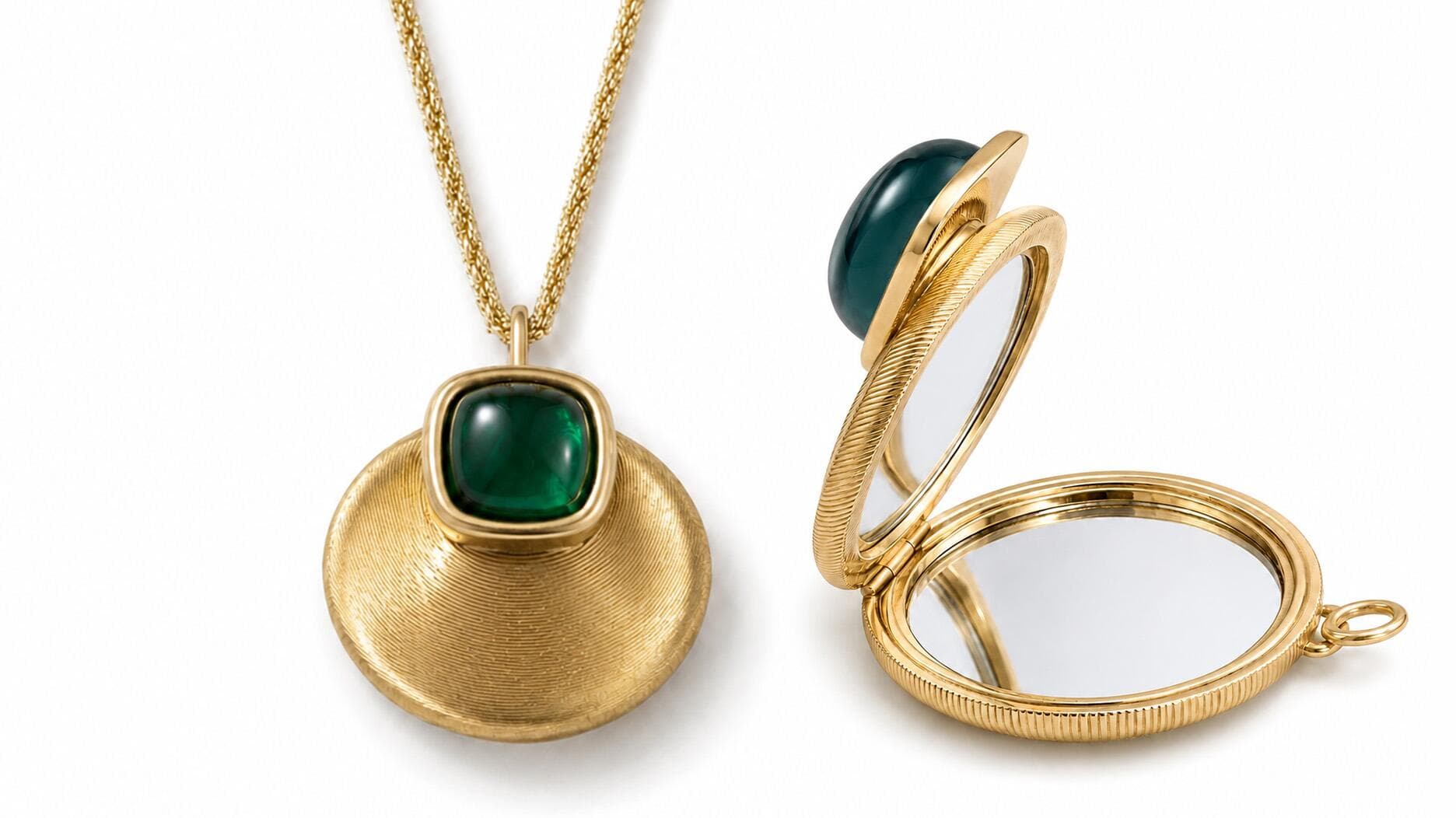
Sotheby’s London sale spotlights antique and Art Deco jewels
Sotheby’s London sale put 225 antique and Art Deco jewels on display, where maker marks and untouched mounts separated trophies from décor.
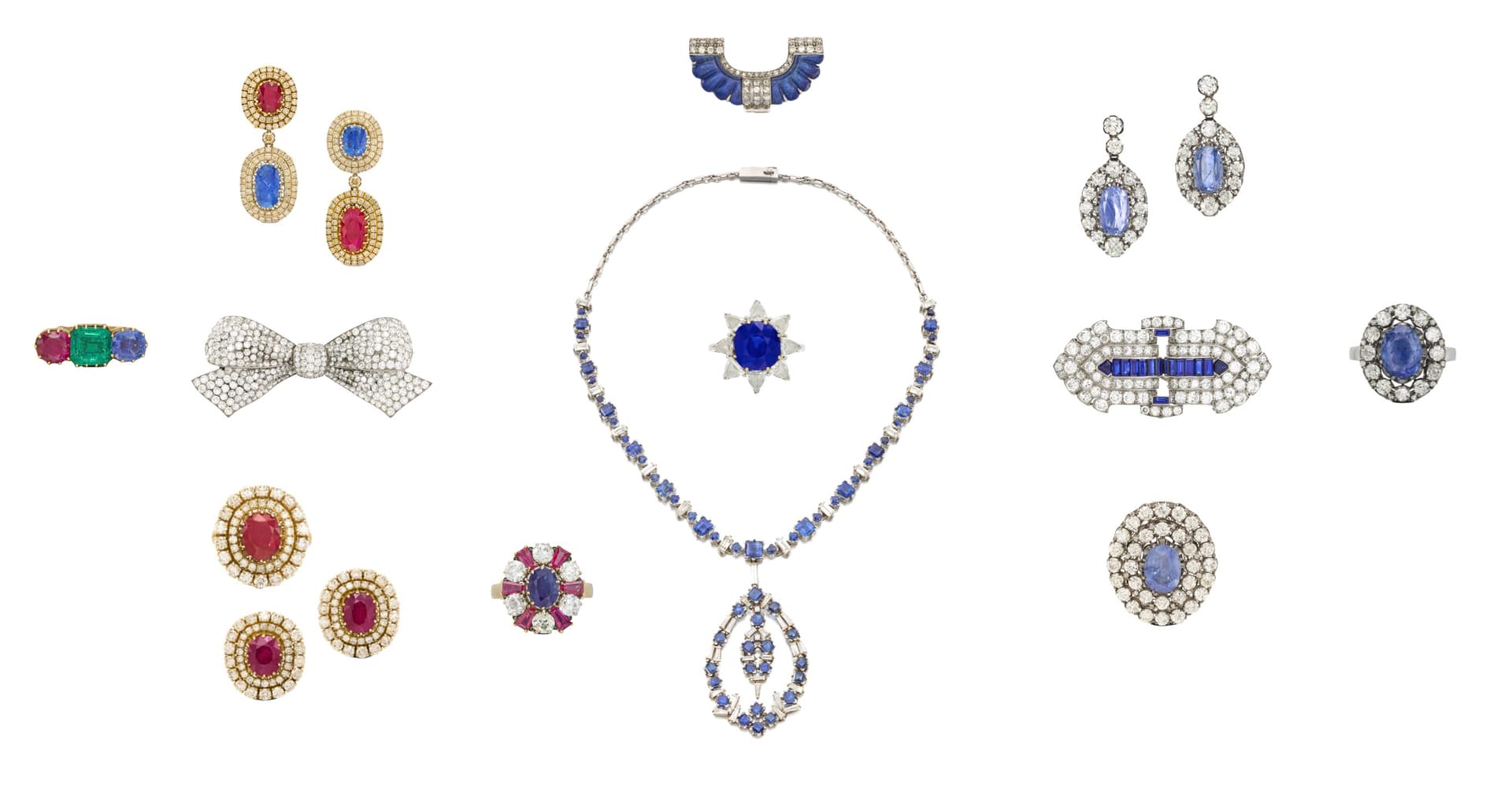
Jewelry is a small archive, and the best lots in Sotheby’s London Fine Jewelry sale were the ones that still carried their history in metal: a maker’s stamp, an intact clasp, an Art Deco line that had not been softened by later work. The sale opened May 20 and was due to close June 3 with 225 lots, spanning 19th-century jewels, Belle Époque sparkle, Art Deco geometry, bold mid-20th-century pieces and contemporary creations.
For a buyer or collector, that range is only useful if the piece still reads as the period it claims. Cartier, Van Cleef & Arpels, Chaumet, Harry Winston, Graff and Marchak are the names that immediately matter, because a signed jewel can carry both craftsmanship and provenance. Fresh-to-market pieces from distinguished private collections are especially appealing in that context, since they often show fewer alterations and a cleaner line back to the original design.

The market has been rewarding that kind of clarity. Sotheby’s said it reached $270 million in total jewelry sales in 2024, and its headline results have favored jewels with strong identities, not just big stones. Queen Marie Antoinette’s pearl sold in Geneva for $36.2 million, setting the world auction record for a natural pearl. In New York, an Art Deco Van Cleef & Arpels diamond tie necklace from 1929 sold for $3.6 million, while a 53.04-carat D-color Internally Flawless diamond brought $3.48 million. One lot won on period design and signature; the other on rare, pristine material.

That is the useful way to read an antique-and-Art Deco sale. Start with the maker marks, especially on the underside of brooches, inside rings and at the backs of clasps, where original signatures or later additions often show themselves first. Then study the condition: resized bands, replaced stones, softened engraving and converted mounts can all change how closely a jewel still matches its era. Belle Époque pieces should still feel light and lace-like, while Art Deco examples should keep their symmetry, contrast and architectural edge.

Sotheby’s 225-lot London sale made that lesson plain. The strongest jewels were not simply old or expensive; they were the ones whose design, signature and condition still told the same story.
This article was produced by Prism’s automated news system from verified source data, official records, and press releases, then run through automated quality and moderation checks before publishing. The system is built and supervised by the people who set the standards it runs under. Read our full AI policy.
Did this article answer your question?