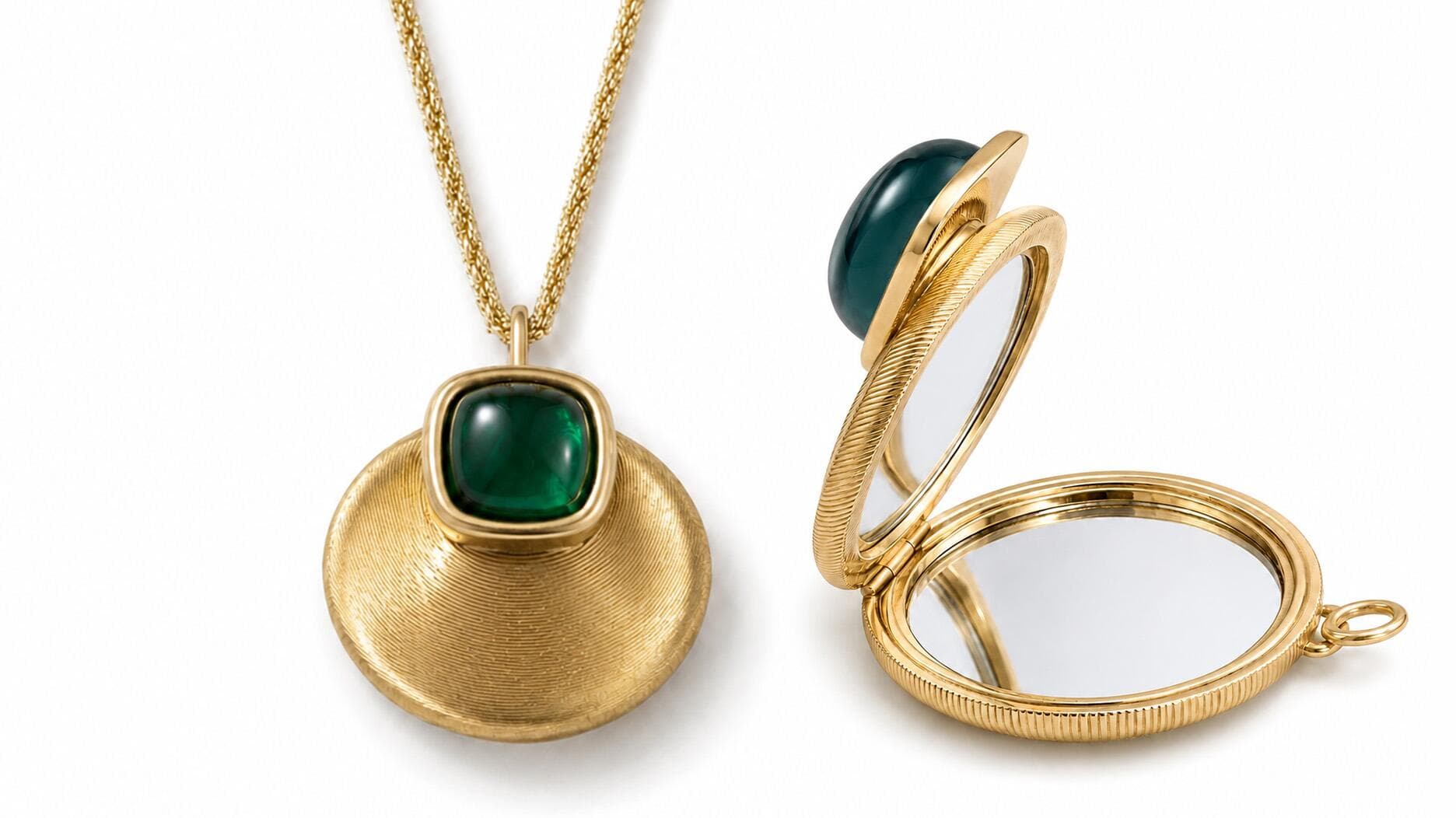
Spring Jewelry Trends Revive Art Deco Tassel Necklaces and Heirloom Style
A tassel necklace can be a clue, not just a look: the right one carries Art Deco geometry, older global craft, and the kind of heirloom value retail copies rarely match.
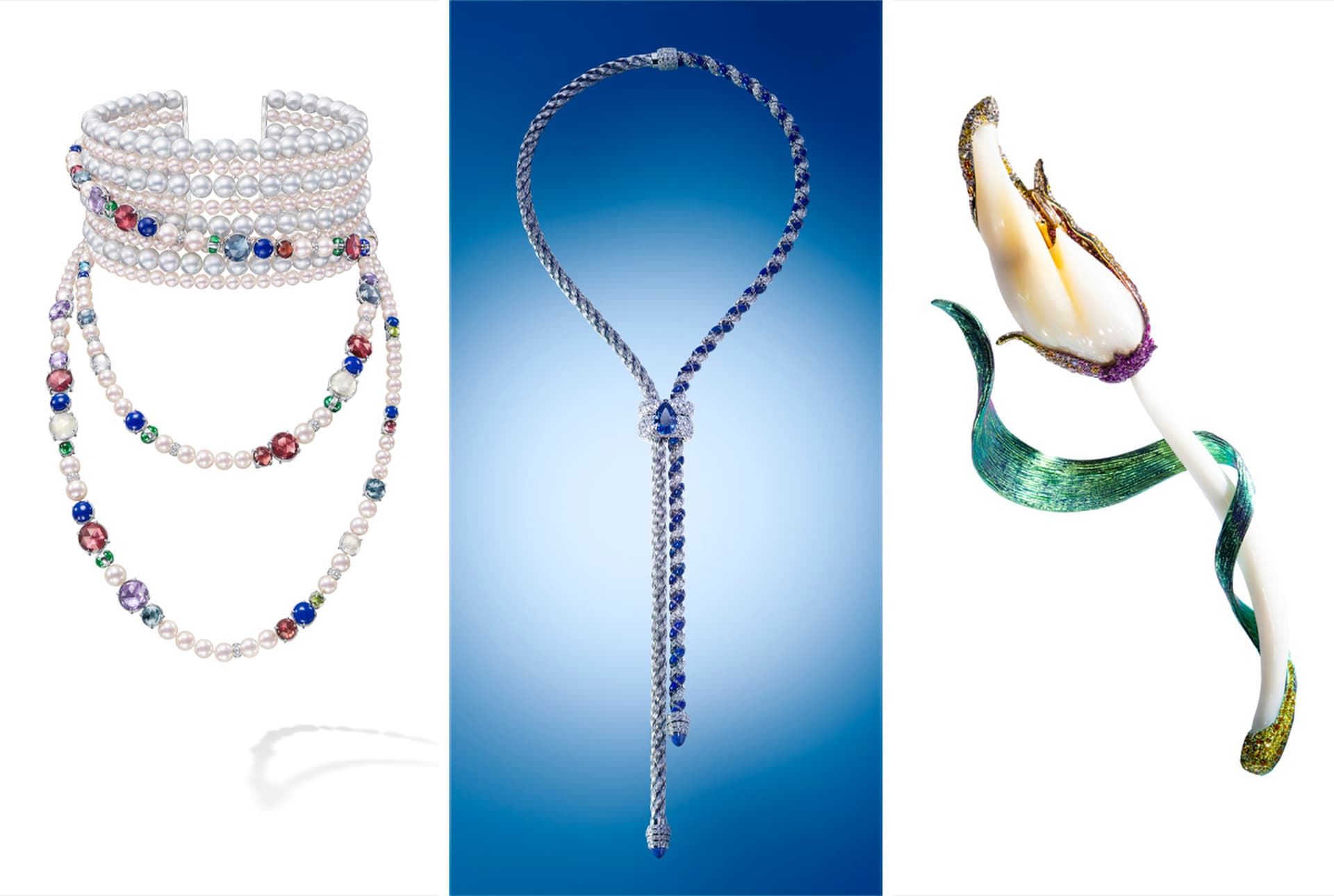
Pick up an inherited tassel necklace and you are holding a small archive. Spring’s jewelry mood may look fresh on the surface, but its strongest ideas are rooted in older forms: 1920s Art Deco glamour, 1970s bohemian ease, and a renewed appetite for pieces that feel storied enough to live beyond one season.
Why tassels suddenly look so right again
The tassel is having a sharp, elegant return because it solves a problem modern jewelry often creates: it adds movement without sacrificing line. In recent spring coverage, tassels appeared not only on pendant necklaces but also on cord belts, silk scarves, and satin skirts, which tells you this is less a novelty than a broader fashion language built around sway, fringe, and decoration with purpose. In jewelry, that matters, because tassels are one of the few details that can read dramatic and architectural at the same time.
The historical pull is stronger than simple nostalgia. The very name Art Deco comes from the Exposition Internationale des Arts Décoratifs et Industriels Modernes, held in Paris in 1925, and the Metropolitan Museum of Art notes that the style’s commercial success helped keep it influential into the 1930s. Art Deco jewelry reflected a post-World War I appetite for modernity, clean lines, and luxury objects that signaled sophisticated taste. That combination is exactly why tassels still feel persuasive: they can be crisp, symmetrical, and glamorous without looking stiff.
What an authentic Art Deco tassel necklace looks like
A true vintage tassel necklace usually earns its elegance through proportion. Look for a central motif that feels deliberate rather than overloaded, with geometric articulation, balanced lines, and tassels that extend the design rather than overwhelm it. In the best examples, the tassel is not a decorative afterthought. It is the final flourish, the part that gives the whole piece motion.
Authentic examples from the Art Deco period often rely on symmetry, contrast, and a controlled use of materials. You may see platinum or white metal settings, calibré-cut stones, onyx, diamonds, or colored accents arranged in crisp forms. The visual effect is rarely soft in the modern sense. It is polished, architectural, and exacting, which is why these necklaces still photograph so well and still look modern with a black dress or a white shirt.
There is also a deeper, older lineage to tassel and fringe details that stretches far beyond the 20th century. The Metropolitan Museum notes that a necklace with a typical Indian cord slide-and-tassel arrangement was already well established by the first half of the seventeenth century. That detail matters to collectors: it reminds you that tassels are not merely a Deco revival, but part of a long decorative vocabulary in which cord, slide, and fringe serve both function and ornament.
What modern reinterpretations often get wrong
The easiest way to flatten a tassel necklace is to make it too literal. Contemporary versions sometimes exaggerate the fringe, use flimsy cord, or rely on lightweight metal that moves too freely and loses the clean silhouette that makes vintage tassels compelling. When the tassel becomes the only idea, the necklace starts to look like costume jewelry rather than a considered object.
Another common mistake is ignoring the pendant’s architecture. Vintage-inspired designs that merely append tassels to generic shapes miss the point of Art Deco, which is about structure first and ornament second. The original forms understood balance: a tassel should complete a composition, not rescue one. If the piece has no visual discipline, no real material contrast, and no sense of weight in the hand, it may borrow the mood without capturing the craft.
How to recognize the collector-grade version
The pieces worth seeking have clarity. In practical terms, that means clean geometry, durable construction, and a tassel that hangs with intention rather than tangling into a soft blur. The chain or cord should feel integral to the design, not like an afterthought attached to a charm. On older necklaces, the fastening mechanism can be part of the story, especially in forms influenced by Indian slide-and-tassel arrangements, where the structure itself becomes a design feature.
When you inspect a vintage tassel necklace, look for the same qualities you would want in any collectible jewel:
- crisp metalwork with no sloppy joins
- stones set with precision, not scattered for effect
- tassel strands that fall evenly and keep their shape
- a design that feels balanced when worn, not just on a tray
- signs of age that look honest, not artificially distressed
That is where buying vintage starts to make sense. You are not paying for a “new” tassel idea that will be gone next season. You are paying for a form with proven design endurance, one that already survived more than one style cycle.
The rest of spring’s jewelry vocabulary still points back to the archive
Tassels are the most overtly historical of the season’s jewelry signals, but they are not alone. Spring trend coverage also keeps returning to pearls, chokers, long chains, gemstones, and sculptural gold, which together build a wardrobe of pieces that feel assembled rather than random. Pearls bring polish and restraint. Chokers sharpen the neckline. Long chains create verticality. Sculptural gold turns a simple outfit into a statement.
Taken together, those ideas align with a broader 2026 mood: vintage-inspired jewelry, individuality, craftsmanship, and bold self-expression. That is where the smartest shopping happens. Instead of chasing retail versions that may only imitate the look of age, you can buy into forms that already have cultural and material credibility. A well-made vintage choker or long chain is not simply “on trend”; it is a piece that carries proportion, wear, and history in its construction.
Why vintage may be the smarter route
Vintage wins here because the eye wants conviction, not just references. A true Art Deco tassel necklace has the geometry, balance, and material authority to stand out in a way many new pieces cannot match. It also has collector utility: the older the piece, the more likely it is to reveal craftsmanship, design discipline, and a distinctive silhouette that can be identified, studied, and valued.
There is a practical side to that pleasure. A vintage necklace can be worn as a daily signature or kept as a special-occasion object, but either way it gives you more than trend compliance. It offers evidence of how jewelry has evolved from the 17th-century slide-and-tassel logic to the 1925 Paris modernism that made Art Deco a lasting language. That is a far richer thing to wear than a seasonal imitation, and it is why the best spring jewelry stories are not really about novelty at all. They are about recognizing the original, and understanding why it still holds.
This article was produced by Prism’s automated news system from verified source data, official records, and press releases, then run through automated quality and moderation checks before publishing. The system is built and supervised by the people who set the standards it runs under. Read our full AI policy.
Did this article answer your question?