TEFAF Maastricht 2026 Draws 50,000 Visitors, Generating €86 Million for the Netherlands
TEFAF Maastricht's 39th edition drew 50,000 visitors and generated €86.4 million for the Netherlands, with jeweler-artists Max Ernst, Jean Arp, and Georges Braque among the fair's headline sellers.
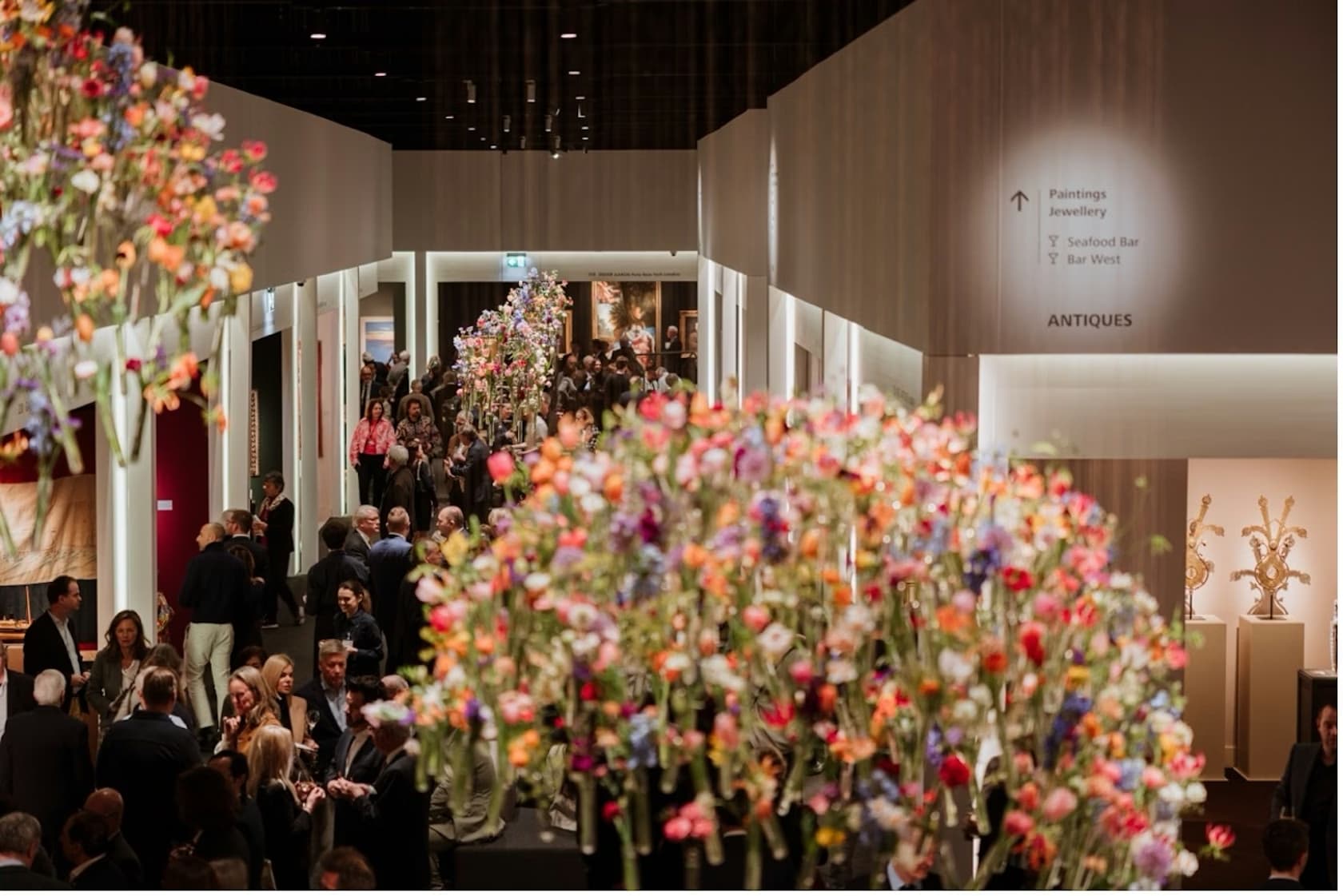
The 39th edition of TEFAF Maastricht ran March 12–19, 2026, drawing more than 50,000 visitors across eight days and closing with a market dispatch that reads like a provenance curator's wishlist: a Prussian king's flute bound for a Dutch museum, leather gloves from a 17th-century civil war, and a fish-shaped brooch by Georges Braque that once made its way through the hands of postwar Paris.
The economic numbers, reported publicly for the first time, give the fair's cultural weight a hard financial frame. TEFAF's first Economic Impact Report, produced in collaboration with Deloitte, showed a total economic impact of €86.4 million in the Netherlands, of which €37.9 million was generated directly in the city of Maastricht. For a city of 120,000 people, that's not a footnote. That's a significant annual event.
More than 450 international museums were represented, along with 67 patron groups, reflecting an ecosystem that continues to bring together curators, scholars and collectors from around the world. The attendance exceeded expectations, which is worth saying plainly given the backdrop: geopolitical uncertainty, tariff anxiety, and fragile consumer confidence in several major markets deterred none of the collectors, curators, and institutional buyers who came to Maastricht looking for quality.
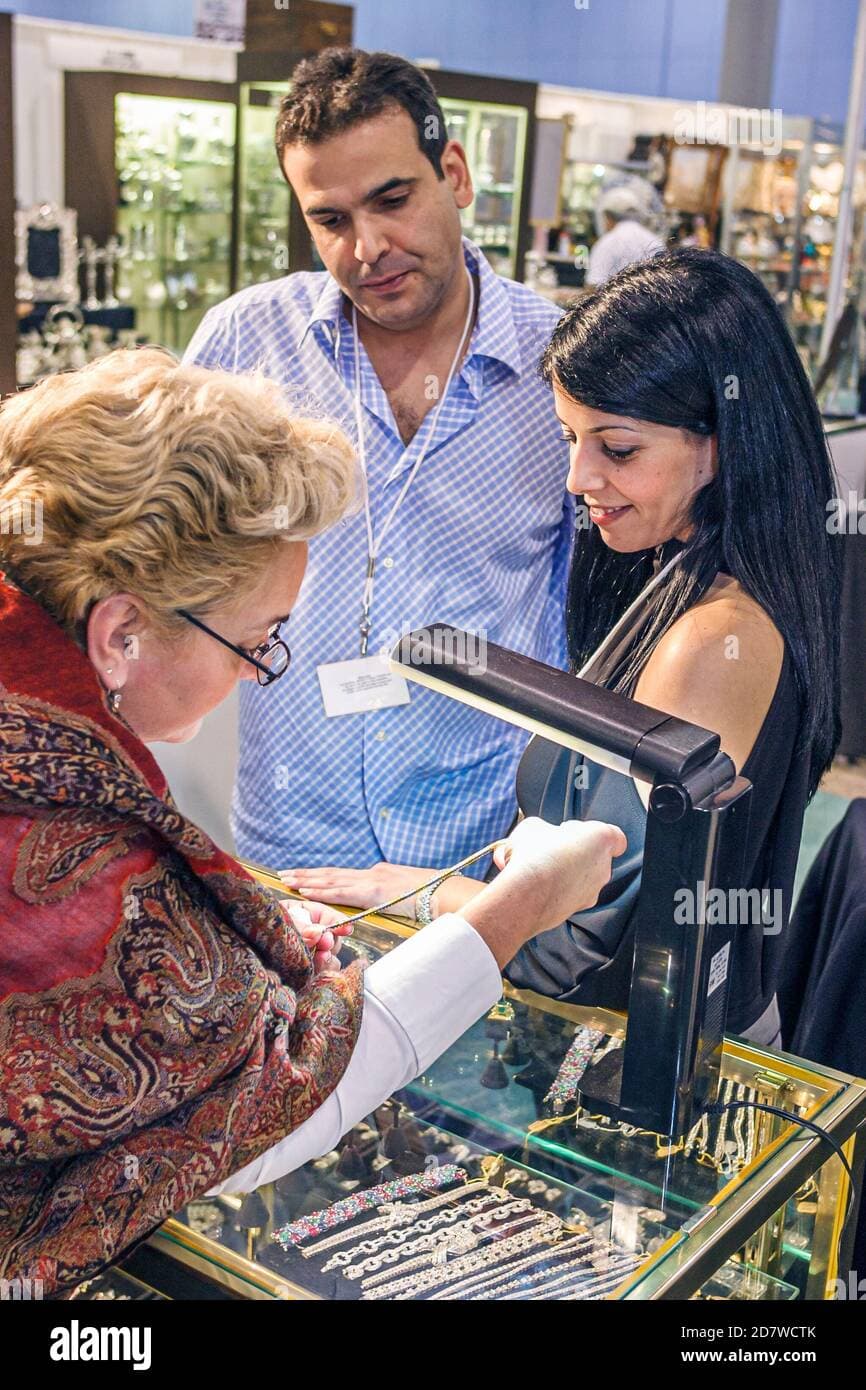
For those tracking the jewellery and design sections specifically, the standout booth belonged to Didier (UK), which framed its presentation around the theme "Gold in the Hands of Artists." The gallery sold two pendants by Max Ernst and Jean Arp, a bracelet designed by Pol Pury that had belonged to his wife, and a fish-shaped brooch by Georges Braque. All pieces dated to the 1960s and 1970s and changed hands for five-figure sums. The Pol Pury bracelet is a reminder that at TEFAF, documented personal provenance, an object that passed through known hands, carries its own premium above and beyond the maker's name.
Prahlad Bubbar (UK) delivered the most institutionally significant performance across categories spanning photography, jewellery, drawings, and textiles. Five works went to the Museum of Fine Arts, Houston, and two to The Metropolitan Museum of Art, with private collector sales running alongside. Prices ranged from £50,000 to £400,000 across the group.
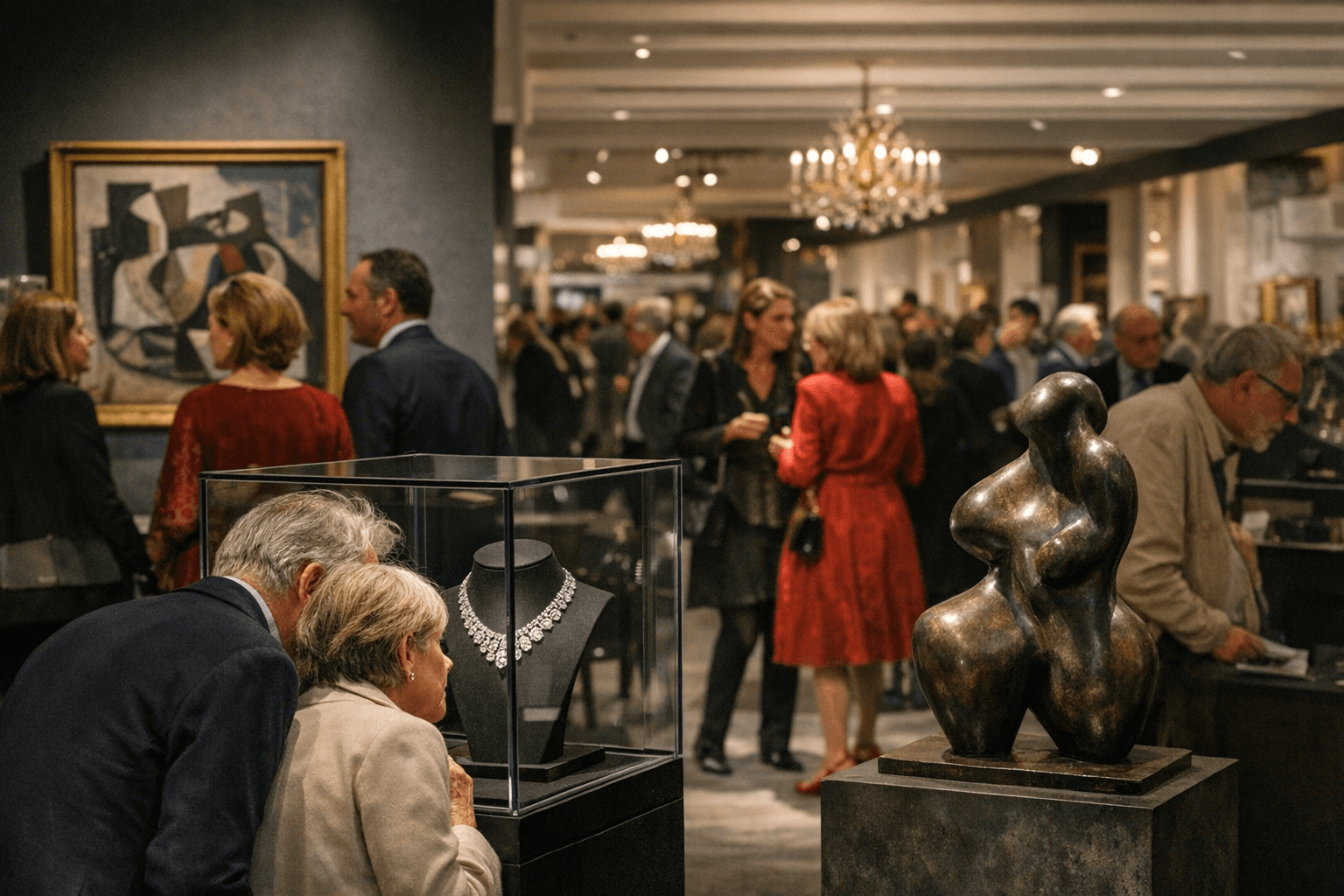
The provenance story of the fair, however, belonged to Galerie Kugel of France, which sold an 18th-century Meissen flute that had belonged to Frederick the Great to a private collector who intends to gift it to the Rijksmuseum. It is the kind of transaction TEFAF was built for: a museum-quality object with royal lineage, transacting quietly through the private market and ultimately landing in public hands.
Peter Finer (UK), the fair's specialist in arms and armoury, reported multiple sales in the €50,000–€250,000 range, moving a camel shaffron, a 16th-century doublet, a Saxon morion, and a pair of leather gloves from the English Civil War. These are objects where condition, rarity, and chain of custody are inseparable from value; the fact that they sold at all, let alone within that price corridor, signals a collector base that still prizes documentation as much as decorative impact.
Boris Vervoordt, President of TEFAF's Executive Committee, reflected on "the enduring confidence of collectors who make a pilgrimage to this historic city in pursuit of the finest works of art spanning over 7,000 years of human creativity." Ippodo Gallery (Japan/US) closed with 15 sales, including works by Shihoko Fukumoto, KAKU, and Masaaki Miyasako acquired by private collectors, and a work by Terumasa Ikeda destined for a museum. Across categories, the message from Maastricht this year was consistent: buyers came with institutional-grade scrutiny and the patience to pay for objects that could prove what they were.
Know something we missed? Have a correction or additional information?
Submit a Tip