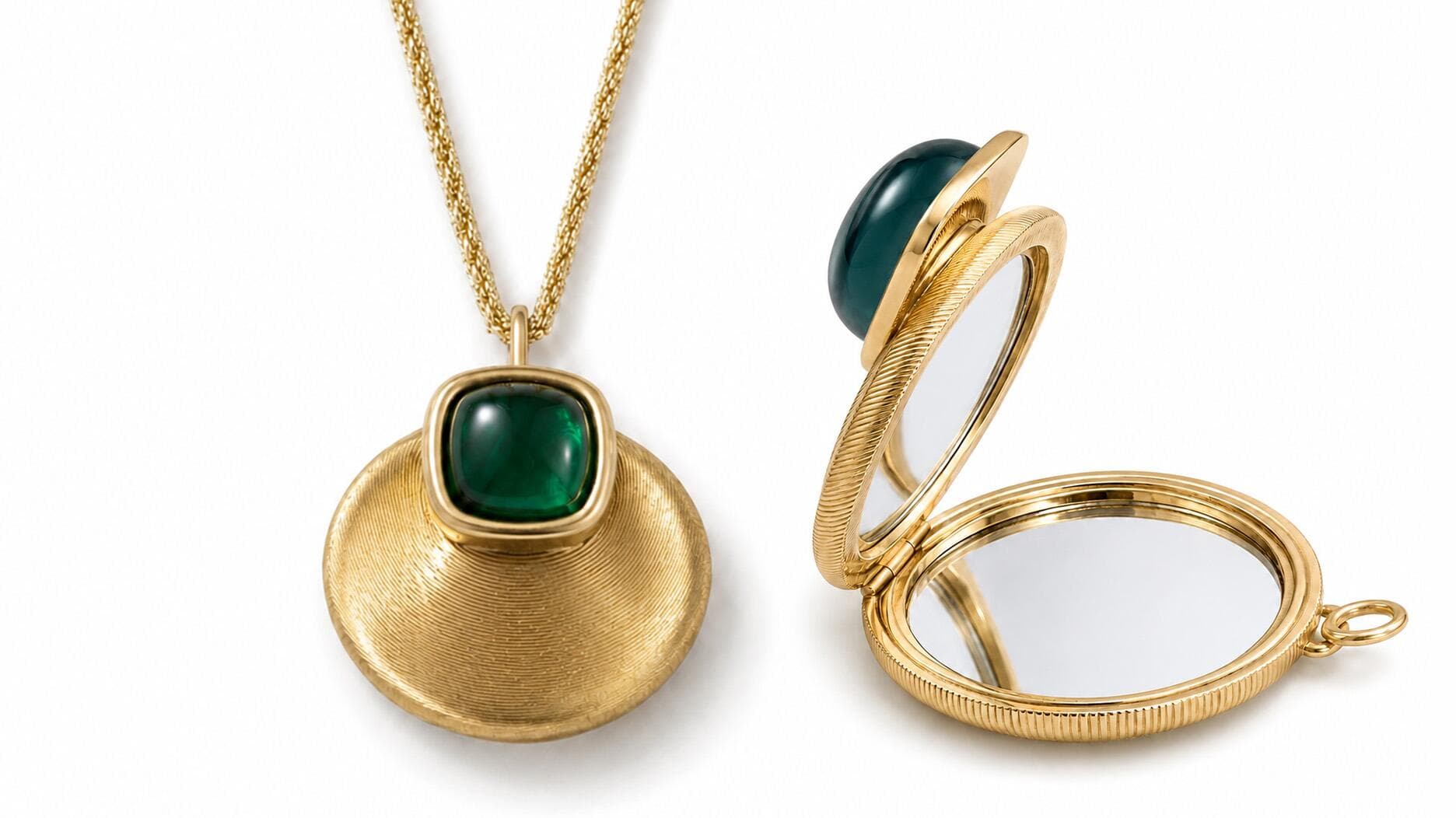
The Met brings 4,000 years of jewellery history to Hong Kong
A Victorian emerald tiara that breaks into three brooches is one of the clues Hong Kong visitors can use to read 4,000 years of jewellery history like a curator.
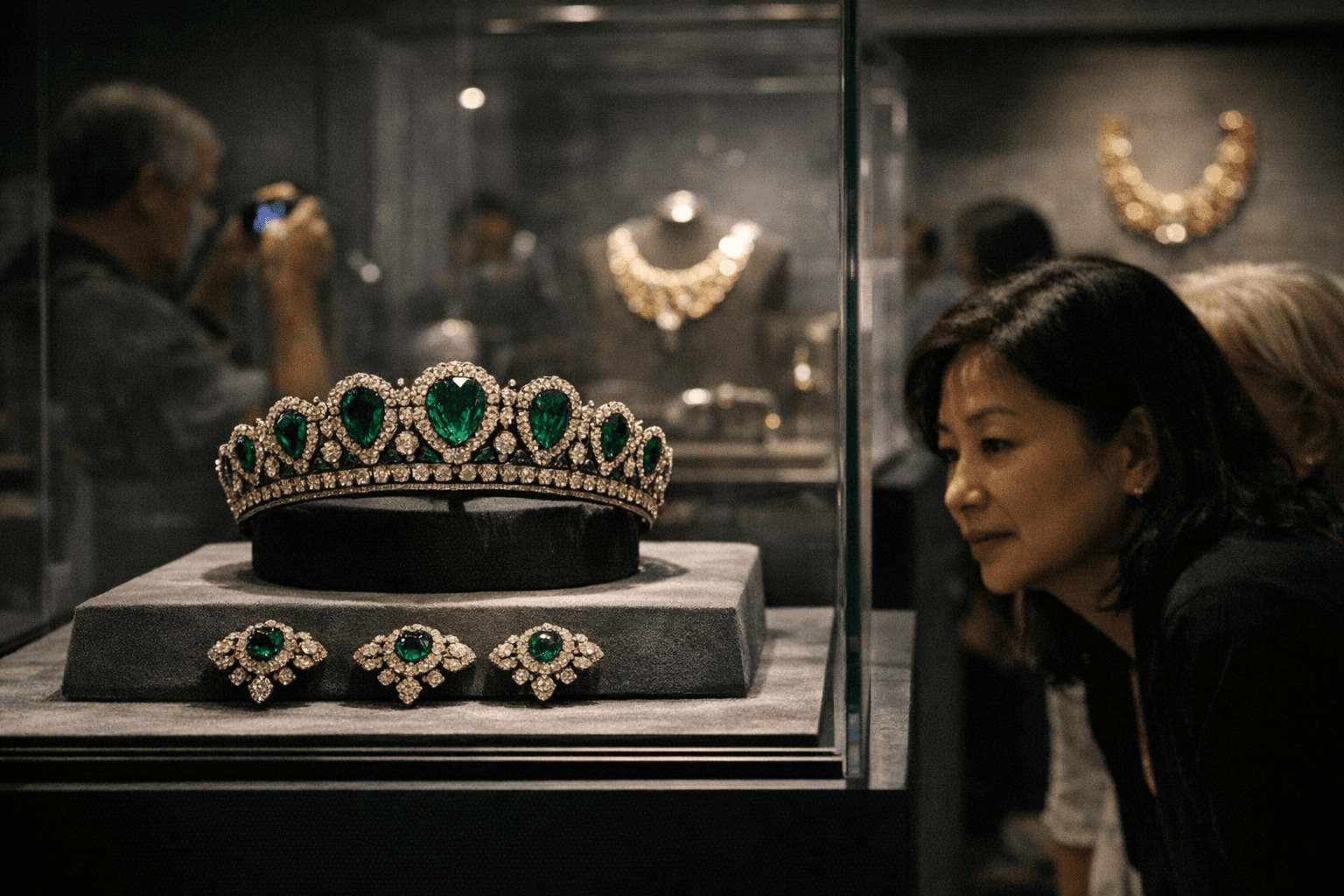
A tiara that splits into three brooches tells you almost everything about what to look for in old jewellery: engineering, reinvention and status, all hidden in the clasp and the setting. That transformable Victorian emerald piece is among about 200 objects now on view in Gallery 8 at the Hong Kong Palace Museum, where The Metropolitan Museum of Art’s global jewellery collection has landed for a rare travelling presentation.
Treasures of Global Jewellery from The Metropolitan Museum of Art: The Body Transformed runs from 15 April to 19 October 2026 and spans nearly 4,000 years, from the second millennium BCE to the 21st century. Jointly organised by The Met and the Hong Kong Palace Museum, it is being billed as The Met’s first major travelling exhibition of its encyclopaedic jewellery collection and the first major exhibition in Hong Kong devoted to the long story of jewellery and human adornment.
The strongest way to read the show is through construction. A kinetic necklace does not merely glitter; it moves, which places mechanics at the center of design. Alexander McQueen’s iconic Jaw-Piece, created with Shaun Leane, pushes jewellery toward sculpture and the face itself, while an Egyptian princess’s wig rings point to a very different tradition, where gold served both ornament and identity. Three-thousand-year-old Egyptian gold rings and golden pectorals show how durable forms were already carrying power across ancient courts, long before modern branding entered the picture.
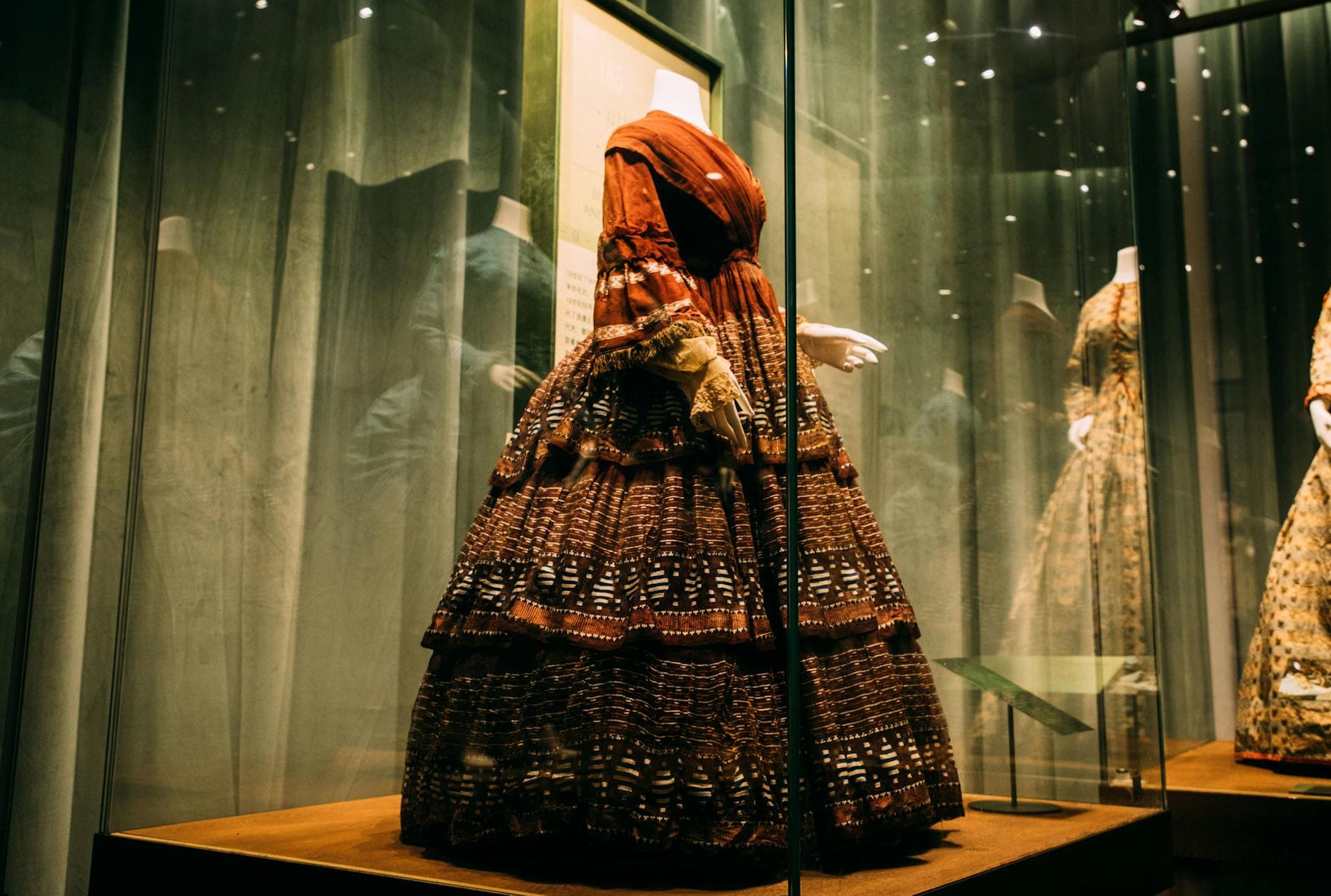
Motif and material matter just as much. Golden headdresses and ceremonial small swords signal ritual use, while diamond brooches belong to a later European language of cut stone and formal dress. The range, from ancient Egyptian rings to a Victorian transformable tiara, reveals not a single history of jewellery but overlapping regional signatures, from temple-ready goldwork to the refined modularity of 19th-century aristocratic pieces.
For anyone trying to judge an older jewel by eye, the exhibition offers a clear lesson: look for how a piece closes, changes shape and sits on the body. A brooch that was once a tiara, or a necklace built to move, often carries as much historical meaning in its construction as in its stones. With guided tours, workshops and public talks planned, Hong Kong has turned one museum show into a crash course in reading jewellery as lived history.
This article was produced by Prism’s automated news system from verified source data, official records, and press releases, then run through automated quality and moderation checks before publishing. The system is built and supervised by the people who set the standards it runs under. Read our full AI policy.
Did this article answer your question?