Treasure House Fair spotlights six centuries of European jewelry
A 1634 heart-shaped memento mori pendant and a ring tied to Henry VIII's circle anchored Treasure House Fair's fourth edition at Royal Hospital Chelsea.
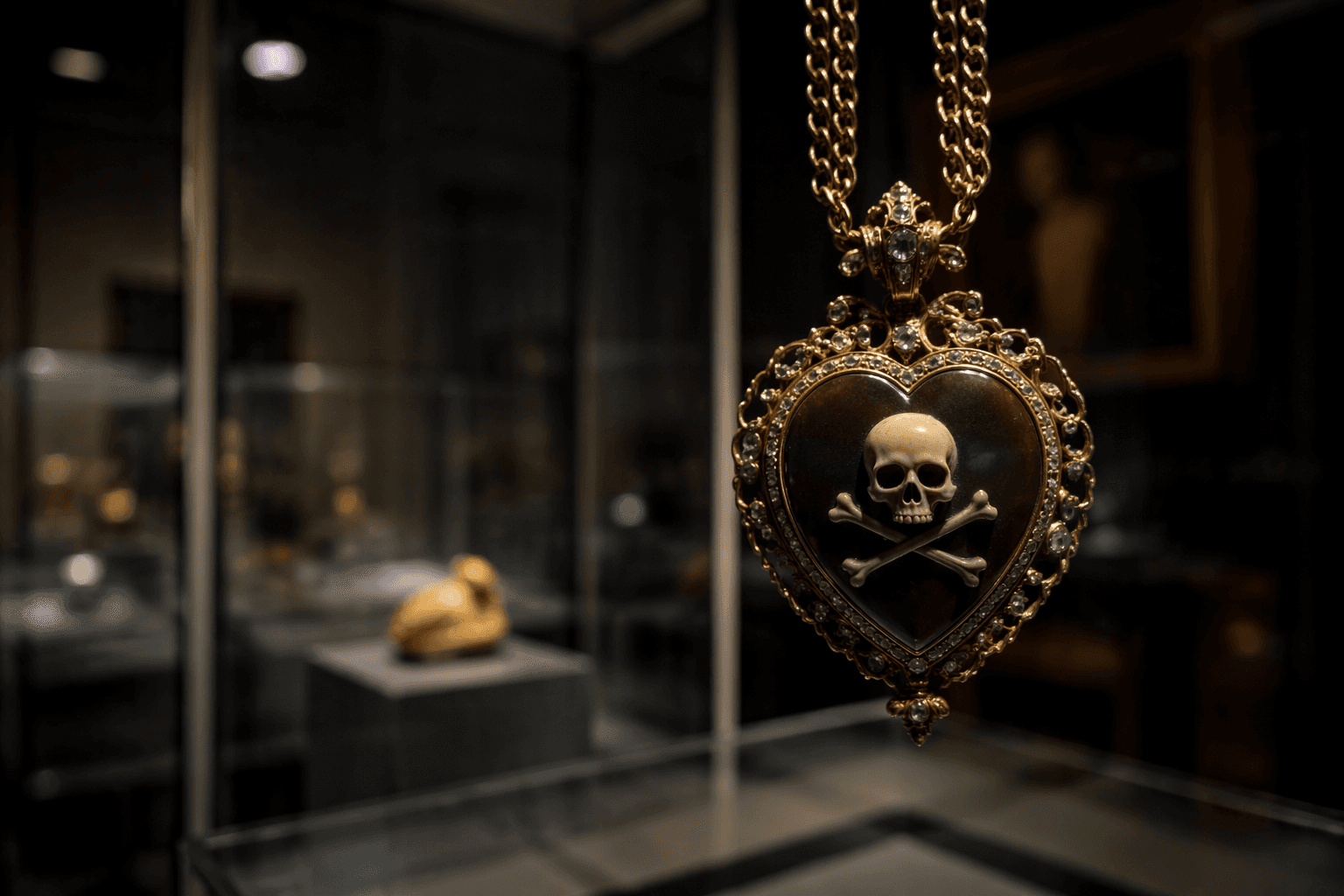
Treasure House Fair returned to Royal Hospital Chelsea with a heart-shaped memento mori pendant made in 1634 and a ring tied to a confidant of Henry VIII, two objects that turned the fair into a map of provenance as much as taste. The fourth edition ran 24-30 June 2026, with a press preview on 24 June from 10 a.m. to 4 p.m.
The fair continued a London summer art-fair tradition established in 1934, with Queen Mary as the first royal patron, and Thomas Woodham-Smith, who co-founded Treasure House with Harry van der Hoorn after Masterpiece London, has called it “the summer art fair.” That positioning matters in a market that prizes vetting and certainty: Treasure House cast itself as the UK’s leading destination for historic and antique jewellery, said every piece was meticulously vetted by independent experts, and brought around 60 galleries and roughly 70 dealers across art, antiques and design.
Within the jewelry offering, the strongest message was range without chaos. Roughly six centuries of European history were represented, from the devotional severity of the 1634 memento mori pendant, made to commemorate the death of a 6-year-old boy, to the Tudor-linked ring. These are the kinds of pieces that hold price strength because the appeal is never only age; it is the survival of craftsmanship, condition and documented association, all of which let collectors buy a story they can verify in metal and stone.
Treasure House also welcomed Rosior, a Portuguese high-jewelry house established in 1978 and heir to five generations of expertise, in what the fair described as its first appearance at a European fair. The wider 2026 program included British Surrealism and Beyond: Treasures from Southampton City Art Gallery, a non-selling display marking the 90th anniversary of British Surrealism. Put together, the sellable jewels, museum loans and historic objects made the fair read less like a showroom than a barometer for collector appetite, with confidence still concentrated in provenance, fine workmanship and pieces that cannot be replaced by trend alone.
This article was produced by Prism’s automated news system from verified source data, official records, and press releases, then run through automated quality and moderation checks before publishing. The system is built and supervised by the people who set the standards it runs under. Read our full AI policy.
Did this article answer your question?