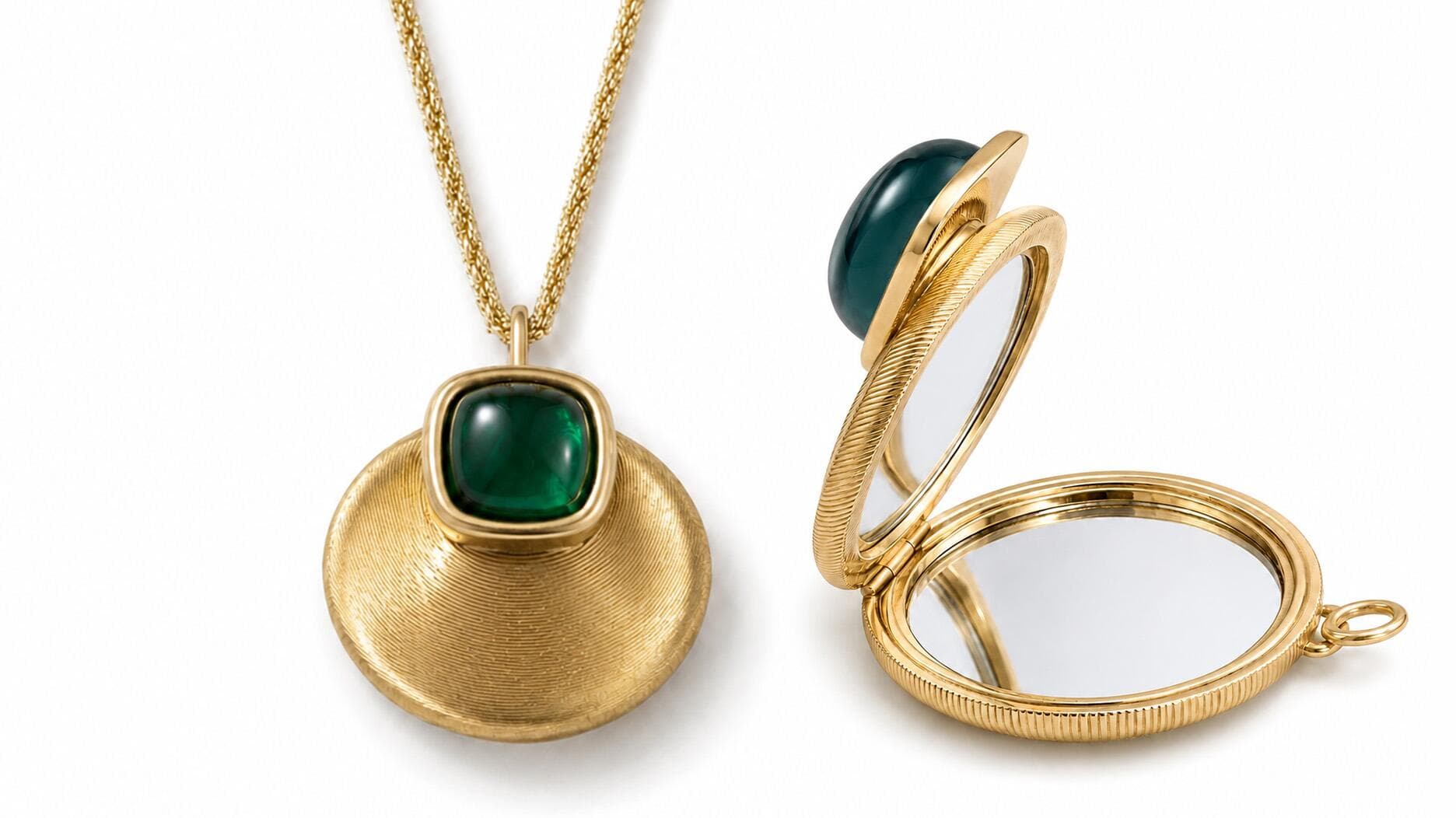
Van Cleef & Arpels channels vintage demand into Heritage Collection
Van Cleef & Arpels treats vintage buying like forensic work, using archives, numbers and condition checks to decide what deserves the Heritage label.

A jewel as a small archive
The real story here is not simply that Van Cleef & Arpels sells vintage jewels. It is that the house treats each one like a small archive, where the clasp, the stamp, the stone match and the paper trail all have to agree before a piece can pass as Heritage. Born in 2007, the collection now holds roughly 150 pieces, and its logic is as exacting as it is romantic.
That matters because Heritage is not the same thing as the house’s Patrimony Collection. Patrimony pieces stay with the maison and appear in exhibitions; Heritage jewels are offered for sale directly to clients. In March 2026, the house brought about 40 Heritage pieces to TEFAF Maastricht, a telling move for a category that once lived mostly in the shadows of auction rooms and private dealers.
How Van Cleef & Arpels authenticates a jewel
The authentication process is the heart of the story. Each Heritage jewel is carefully examined by house experts, cleaned, repaired where necessary, and then checked against the archive before a certificate is issued and the sale can proceed. The archive work is not casual. It runs through client files, account books and sketch libraries, which means the house is looking for continuity between what it sees on the bench and what it already knows from paper.
That approach reveals how serious vintage verification actually works. A maker’s name on a piece is only the beginning; the more important question is whether the object behaves like a known Van Cleef & Arpels jewel from its period, down to construction details and the way the design was originally recorded. For collectors evaluating unsigned or secondhand pieces elsewhere, the lesson is clear: a credible jewel should be able to explain itself through marks, structure, materials and documented design history, not just through a seller’s description.
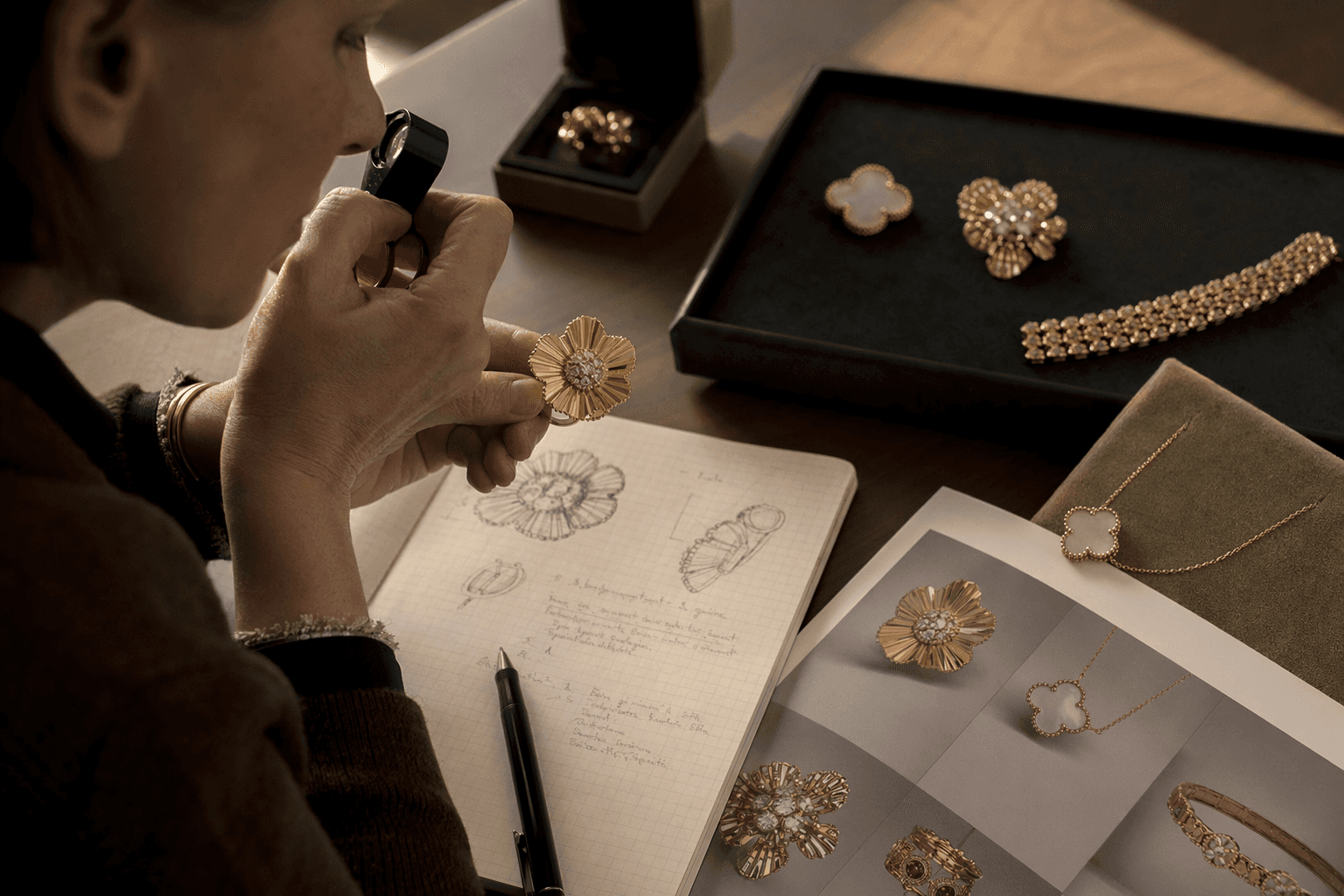
The presence of unique numbers is part of that discipline too. In a market crowded with imitations and later assemblies, numbering, archive matching and condition screening create a chain of evidence. It is the difference between a jewel that merely resembles the house style and one that can be placed within the maison’s own chronology.
Why condition is part of provenance
Heritage is also instructive because it refuses the fantasy that every old jewel should look freshly made. Patina matters. Original gemstones matter. And the maison’s no-repolish approach matters because over-restoration can erase the very details that make a vintage jewel legible as period-correct.
A 1920s bracelet, a 1940s clip or a 1970s motif should not be flattened into a generic shine. The edges, the settings and even the slight softness that comes with age can help confirm that a jewel has lived the right life. In practical terms, this means collectors should be wary of pieces that look too scrubbed, too bright or too homogenized, because overzealous restoration can obscure the evidence embedded in the mount and the surfaces.
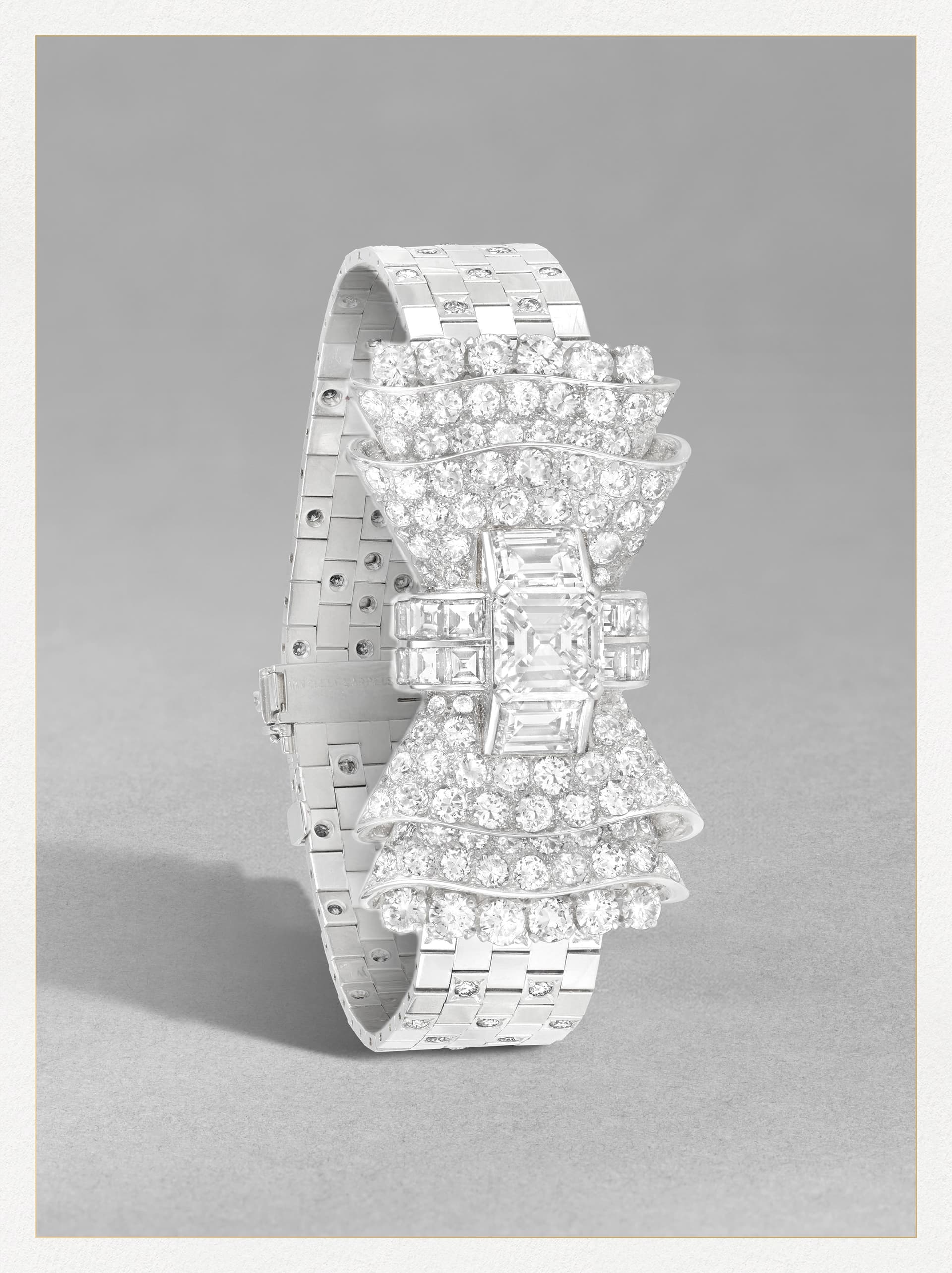
Van Cleef & Arpels’s Heritage range makes that point with unusual clarity. The selection spans creations designed and fashioned between the 1920s and the 1990s, and the maison highlights signature examples such as a 1925 platinum bracelet, a 1941 Ruban clip, 1960s sapphire jewelry and 1970s Lion motifs. Its own site also stretches the story from the roaring 1920s to the colorful 1980s, showing how broad the archive becomes when a house is willing to authenticate, not just sell, its past.
From the boutique to the secondary market
The Heritage concept did not emerge in a vacuum. Long before vintage jewelry became a luxury buzzword, the manager of Van Cleef & Arpels’s Fifth Avenue flagship noticed that clients were buying contemporary jewelry in boutiques while also seeking pieces from the secondary market. Natacha Vassiltchikov, the brand’s international heritage retail director, has described that overlap plainly, and former Asia president Nicolas Luchsinger is credited with initiating the Heritage idea.
That history matters because it explains why the collection was first shown in the United States, where the auction and pre-owned markets were already more established. The house was not just responding to fashion; it was acknowledging that serious clients increasingly wanted access to the same heritage language whether they found it in a salon, at auction or in a family box passed down through generations.
The sales channel has also become more modern. Van Cleef & Arpels says Heritage is available to clients through its @vcaheritage Instagram presence and direct message, a market-facing strategy that places archival jewels in the same digital space where contemporary luxury is now discovered and discussed. For a category once associated with discreet private dealing, that is a notable shift.
The scholarship behind the sparkle
The Heritage Collection sits inside a larger scholarly project that gives it credibility. In June 2024, Van Cleef & Arpels released the first volume of The Van Cleef & Arpels Collection, covering 1906 to 1953. The book presents about 700 jewels, precious objects and watchmaking creations, along with 200 archival documents, and the full Collection now exceeds 2,700 pieces. A second volume is planned to cover 1954 to 2000.
That kind of publishing program does more than burnish brand prestige. It formalizes the archive that underpins authentication, making the house’s visual memory more legible to collectors, historians and dealers. In other words, the book and the Heritage Collection are not separate projects. They are two sides of the same effort to make Van Cleef & Arpels’s past searchable, comparable and saleable.
Why the market still prizes the icon
The demand behind all of this is real. Christie’s says the Van Cleef & Arpels Zip necklace remains especially sought-after, and a ruby-and-diamond example set a new auction record for the design in 2022 at €819,000. That figure matters not because it turns every vintage jewel into a trophy, but because it shows how much the market rewards pieces whose authorship, period and design significance can be confidently pinned down.
That is the deeper lesson of Heritage. The strongest vintage jewelry is not simply old, rare or expensive. It is readable. When a house can trace a jewel through its archive, confirm its number, evaluate its condition and preserve its period character, it turns a collectible into evidence. For anyone assessing an unsigned brooch, a secondhand bracelet or an estate-sale find, that is the standard to keep in mind: the most persuasive jewel is the one that still knows exactly where it came from.
This article was produced by Prism’s automated news system from verified source data, official records, and press releases, then run through automated quality and moderation checks before publishing. The system is built and supervised by the people who set the standards it runs under. Read our full AI policy.
Did this article answer your question?