Vintage-inspired jewelry gains momentum as retailers lean into storytelling
Retailers are selling vintage as a story, not just a style, and the real task for shoppers is separating true estate pieces from polished reproductions.
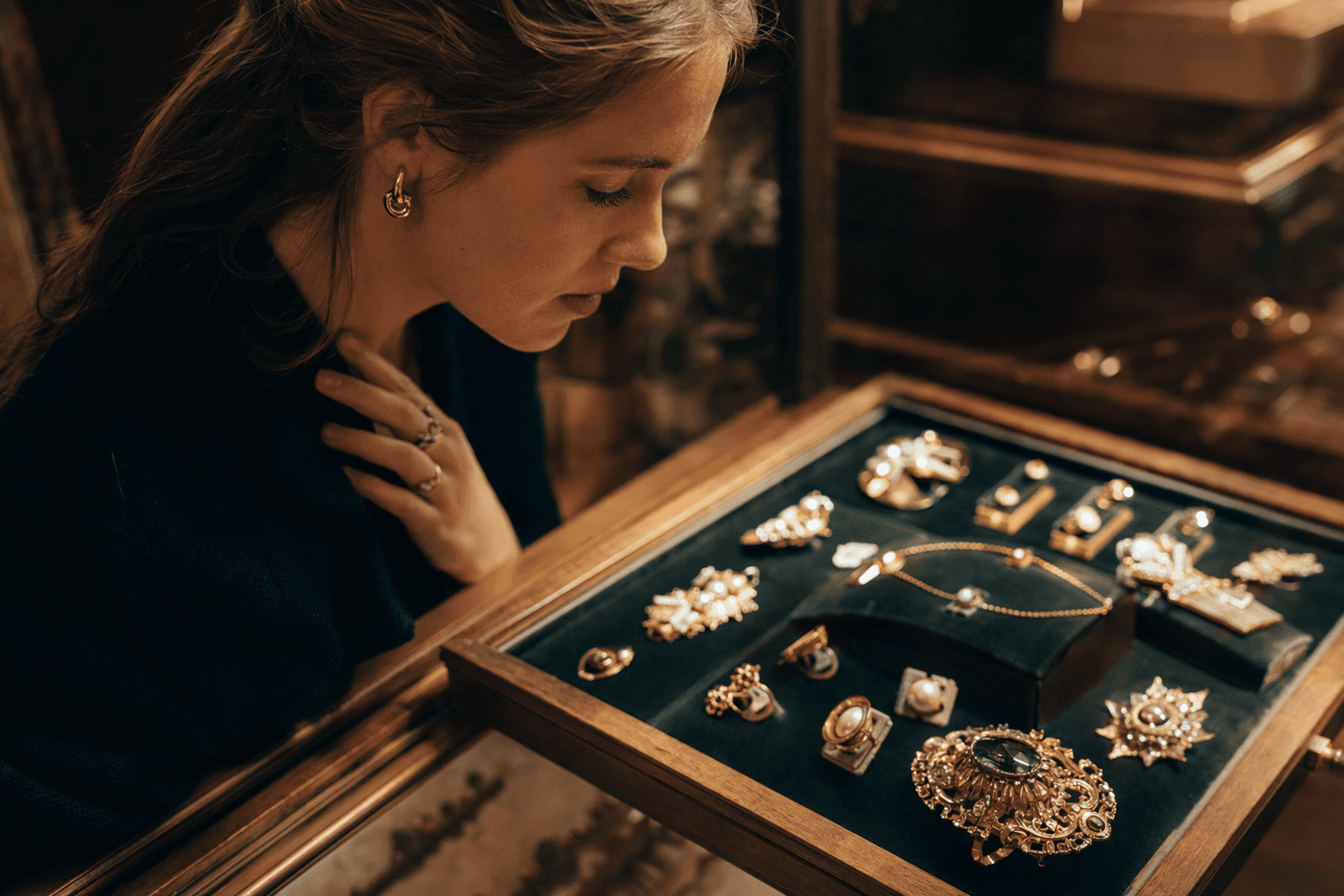
The strongest vintage story in jewelry right now is not about scarcity, but about interpretation. Shoppers are responding to pieces that feel like they carry a past, and retailers are meeting that desire with estate inventory, modern reproductions, and a lot more narrative around why a piece matters.
Why vintage-inspired jewelry is rising now
Independent jewelers have a clear incentive to lean into this lane. JCK says U.S. independent stores finished 2025 with sales up 5.6 percent, but the pace slowed late in the year, with November up 3 percent and December up 5.4 percent. At the same time, the average price per item rose 11.4 percent while the number of pieces purchased fell 5.2 percent. In that kind of market, a well-told story can do real work: it helps justify a higher ticket, especially when the piece feels personal rather than generic.
Gold prices added even more pressure. JCK reported that gold rose 66 percent during 2025, pushing many retailers toward lighter gold construction and retail prices that climbed by about 30 percent. That is one reason vintage-inspired jewelry has become commercially attractive. It can borrow the visual density of older pieces, but be built in a way that protects margins and keeps the price within reach.
What retailers mean when they say vintage-inspired
The phrase can cover a lot of ground, and that is exactly why shoppers need to slow down and inspect the case. In-store, vintage-inspired often means contemporary jewelry that borrows the language of antique and estate pieces: brooch shapes, heirloom-style settings, antique cuts, intricate detail, and silhouettes that echo the 1930s through the early 1980s. Beth Bernstein’s The Modern Guide to Vintage Jewellery maps that exact arc, from Art Deco through wartime, the 1950s, 1960s, 1970s, and early 1980s, and that timeline is useful for reading what a retailer is referencing.
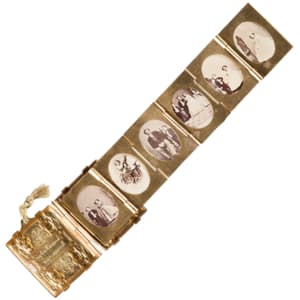
Not every piece that looks old is old. A new brooch with a decorative clasp and a romantic profile may nod to an heirloom, but it is still a contemporary object unless the metalwork, wear, construction, and provenance tell a different story. That difference matters because estate jewelry carries history in the materials themselves, while vintage-inspired jewelry sells the mood of history.
The motifs most often being revived
The current revival is not random. Pinterest’s 2026 trend report pointed to growing searches for brooches, heirloom jewelry, and 1980s luxury, and National Jeweler noted that search interest in the “brooch aesthetic” was up 110 percent. That rise tracks with a broader return to visible adornment, the sort of jewelry that reads clearly from across a room and still feels collectible when seen up close.
The motifs most frequently resurfacing include:
- Brooches and pins, especially pieces that can sit on a lapel, scarf, or sweater.
- Heirloom-style rings and pendants that borrow the emotional language of passed-down jewelry.
- 1980s luxury references, which tend to favor bold scale, polished surfaces, and confident silhouettes.
- Antique-cut looks and intricate detailing that aim for depth and character instead of minimalist sleekness.
Stuller has already named “Vintage Vibes” as one of its five major jewelry directions for 2026, and Andrea LeDay’s framing is telling: customers want pieces that feel intentional, expressive, and lasting. That is the real appeal. Vintage-inspired jewelry sells meaning as much as form.
How to tell a true vintage or estate piece from a reproduction
This is where the detective work begins. Retailers often blur the line between “estate,” “vintage,” and “vintage-inspired,” but the objects themselves usually give clues. A true vintage piece should show construction and wear consistent with its age, plus marks that can help anchor it to a maker, period, or market. A reproduction may imitate the look beautifully, yet still reveal modern finishing, cleaner wear patterns, or contemporary manufacturing shortcuts under a loupe.
When the language feels vague, ask for specifics. Good sellers should be able to say whether a piece is contemporary, restored, or original, and should be willing to discuss the metal content, any repairs, and whether stones have been replaced. If the story stops at “vintage style,” you are probably looking at a design cue, not a collectible artifact.
A practical inspection routine helps:
1. Check the back as carefully as the front.
Clasps, hinges, prongs, and pins often reveal whether a jewel was made in another era or merely styled to look that way.
2. Ask about the metal.
Gold prices have changed the economics of new jewelry, and lighter construction can be a sign of modern manufacture.
3. Look for consistency.
Older pieces often show period-correct proportions, while reproductions may mix motifs from different decades.
4. Ask for provenance.
Estate pieces should come with a coherent ownership or sourcing story, not a decorative one-liner.
When to buy the reproduction and when to hunt the original
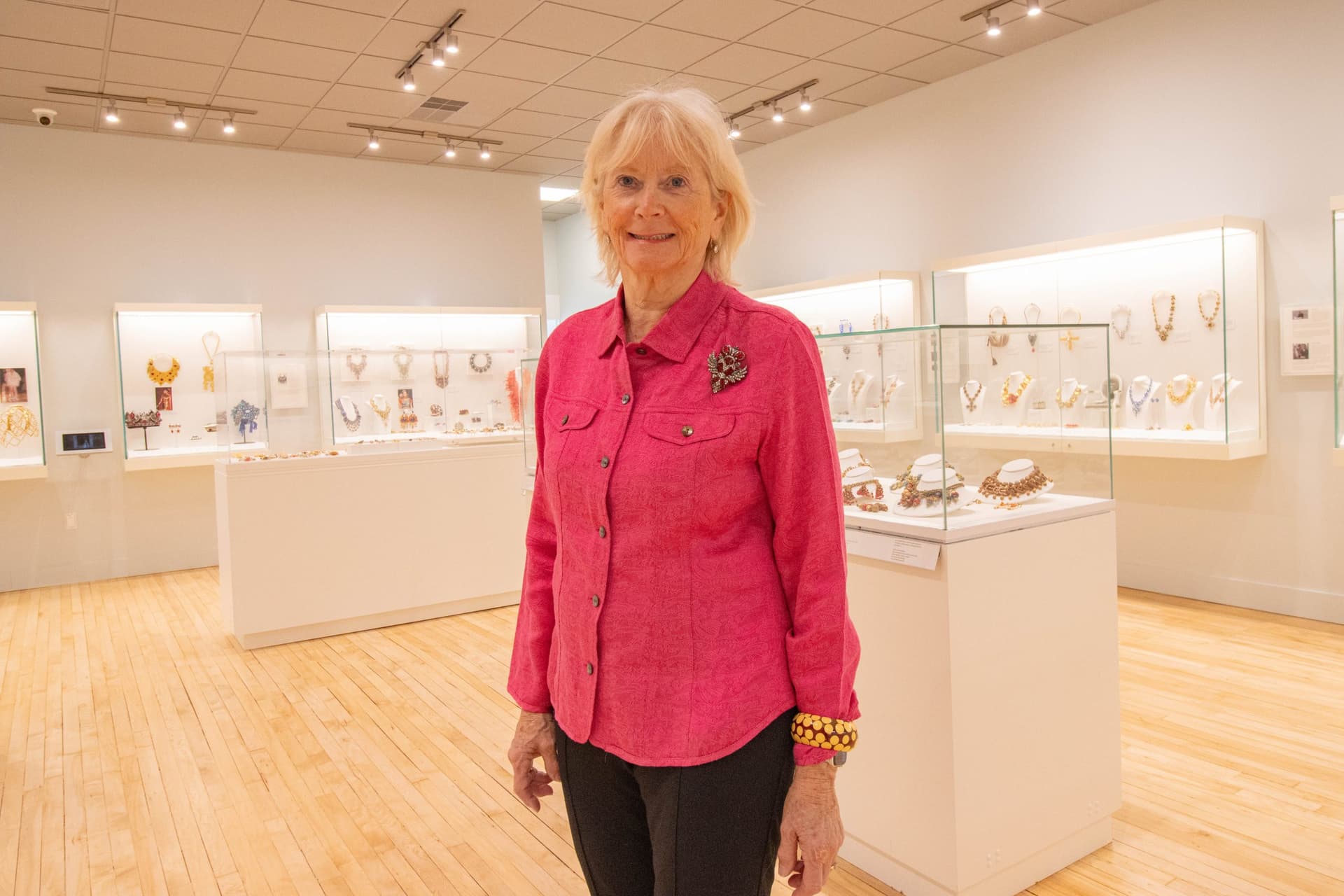
There is no rule that says you must choose one camp forever. Retailers like Greenwich St. Jewelers, which introduced its first estate capsule collection, and For Future Reference, where founder Randi Molofsky has created a vintage brand, show how the market increasingly treats estate and vintage-inspired jewelry as complementary inventory rather than competing categories. That is smart merchandising, and it is also useful for shoppers.
Buy the reproduction when you want the silhouette, the wearability, or the price point of the idea without committing to antique fragility. Hunt the original when you care about craftsmanship, period specificity, and the little irregularities that come only with age. If you want a piece to function as both adornment and archive, the original has a depth the new piece cannot fake.
Why the market is reacting so strongly
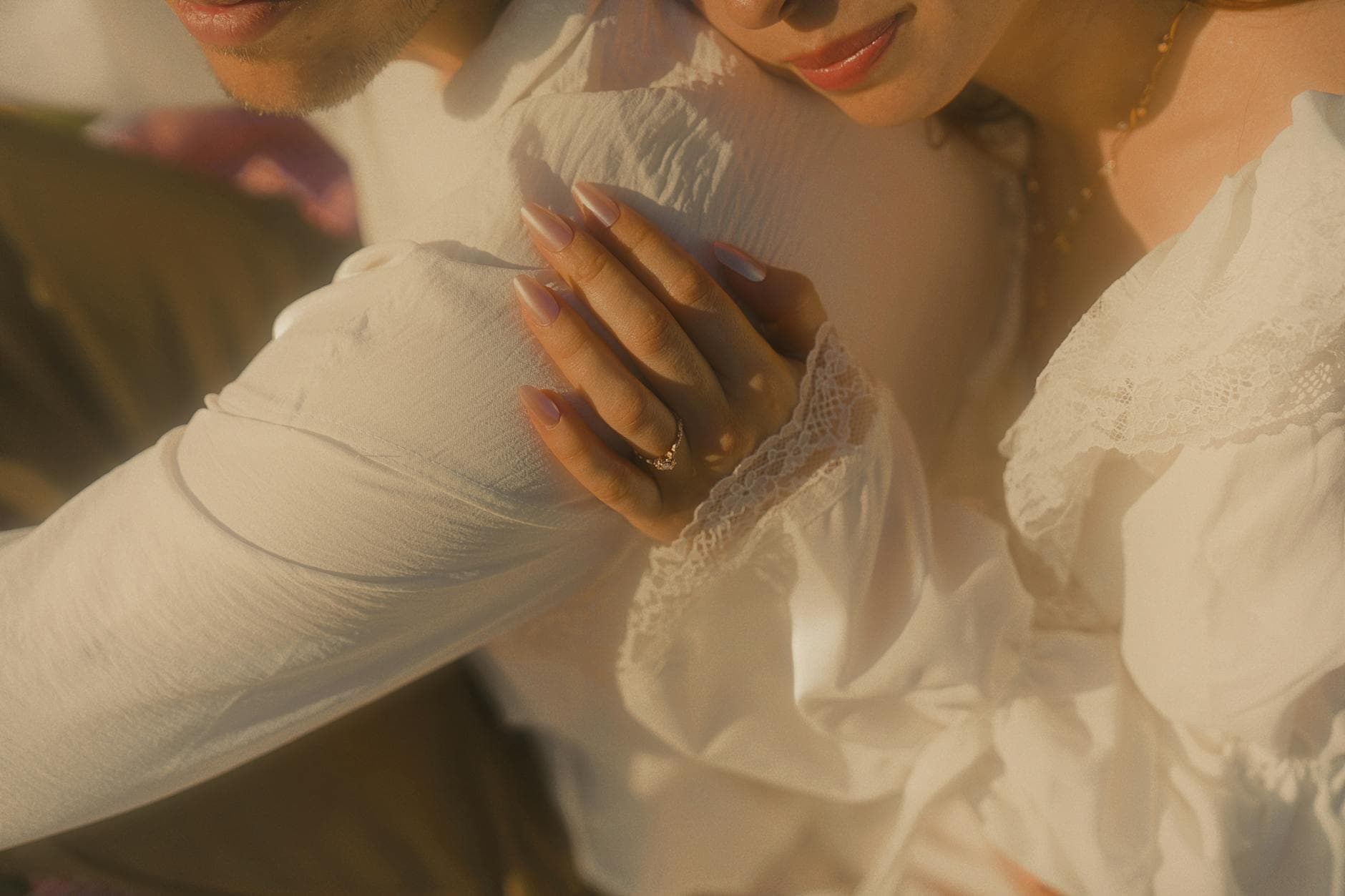
The momentum is bigger than one trend cycle. JCK said nearly 7,000 people attended NYC Jewelry, Antique, and Object Show in November 2025, enough to prompt KIL Promotions to add a January 23 to 25, 2026 edition at the New York Hilton Midtown. Taylor Swift’s antique-diamond engagement ring only intensified public fascination, but thrift culture, brooch revival, and tariff-driven price pressure are helping keep the category hot.
That is why storytelling works so well here. Vintage jewelry already comes with a plot: origin, age, wear, owner, and survival. In a market where shoppers are buying fewer pieces but spending more on each one, that plot can be the difference between a browser and a buyer. The most convincing jewel is not the one that merely looks old, but the one that proves it knows where it came from.
Know something we missed? Have a correction or additional information?
Submit a Tip