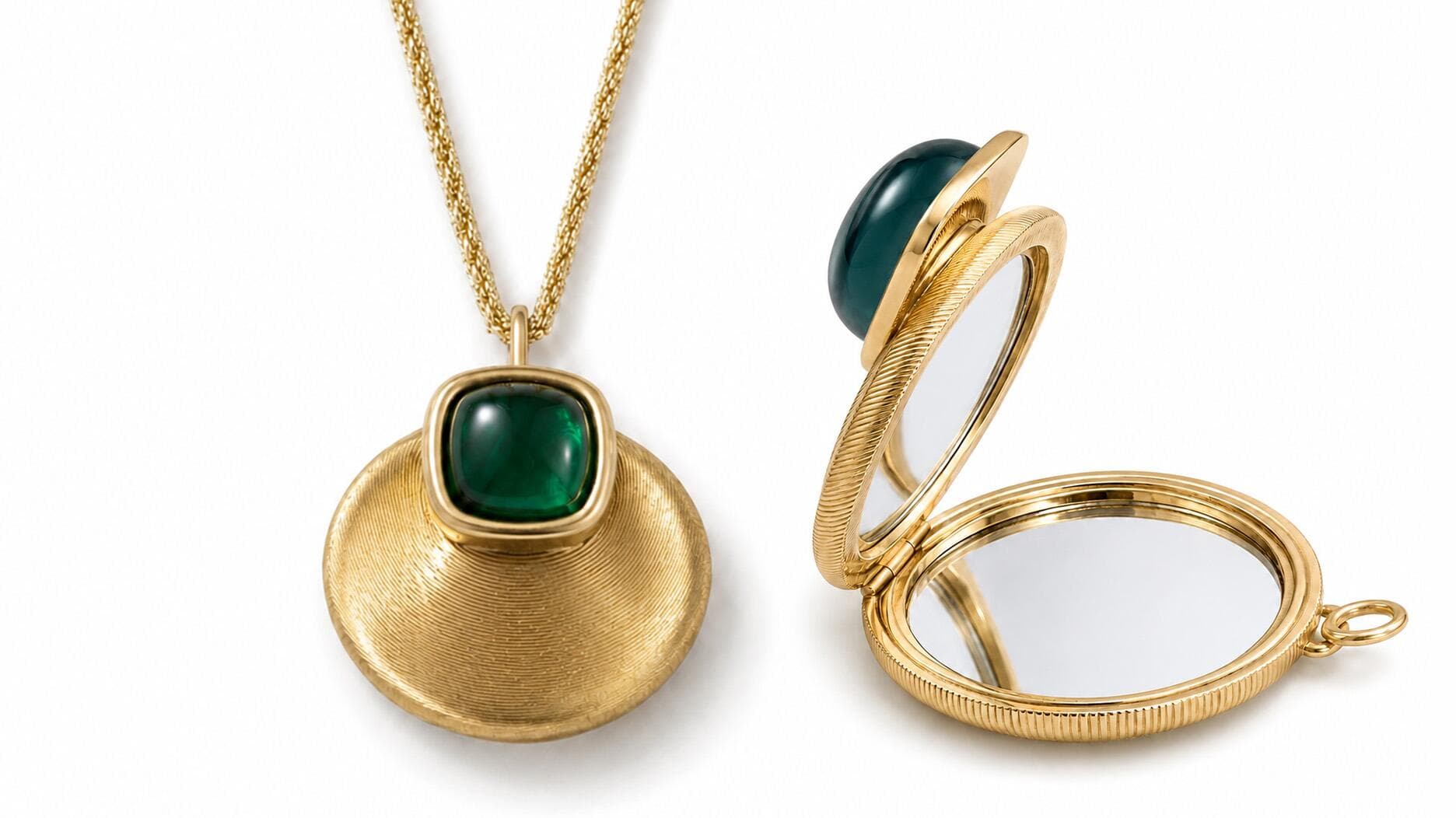
Vintage jewelry buyers chase Art Deco, Victorian and Georgian treasures
The quickest authentication clues are already on the jewel itself. Hallmarks, maker’s marks and era-specific construction can separate an Art Deco treasure from a later imitation.
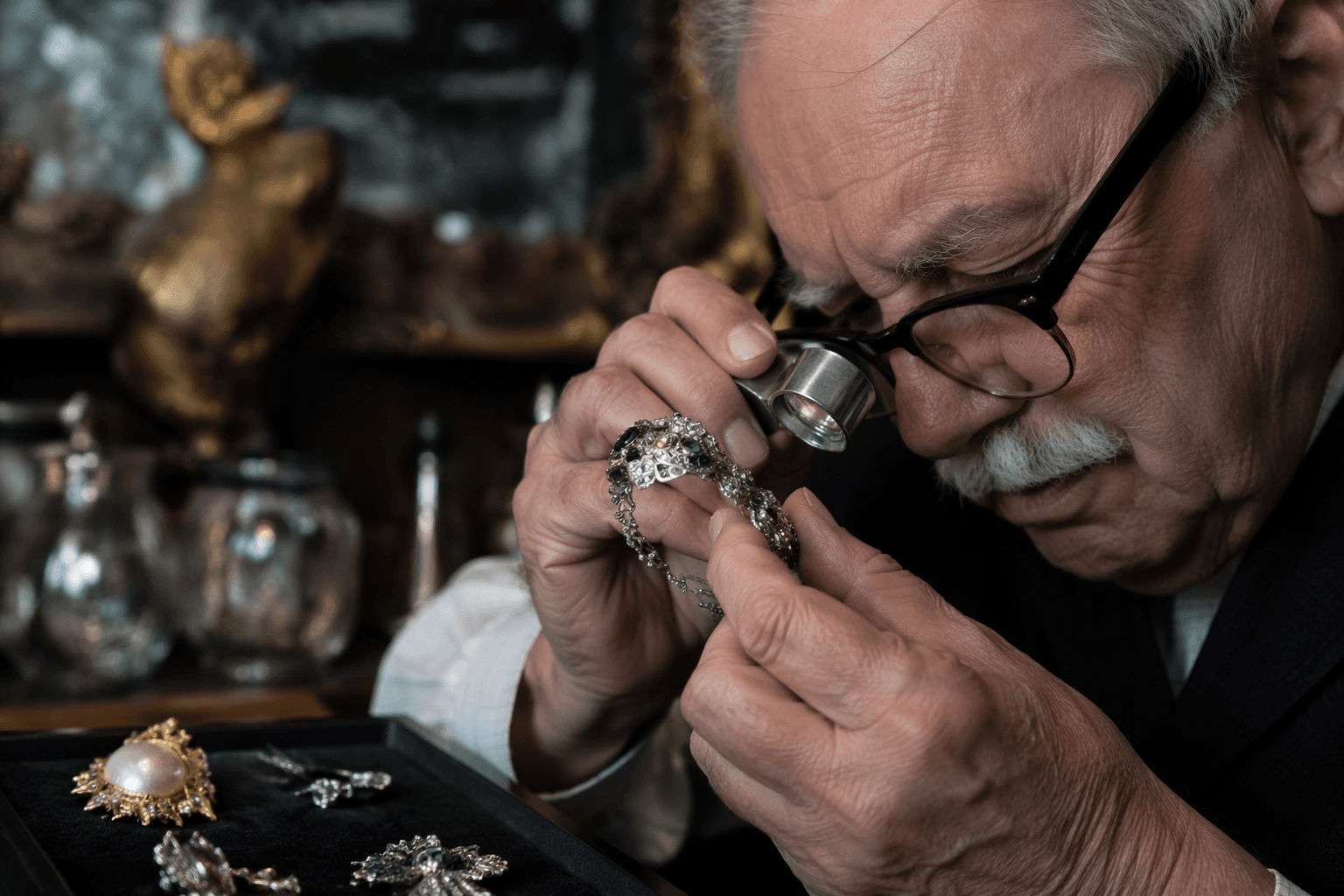
Start with the back of the piece
The fastest way to read vintage jewelry is to stop looking at the sparkle first and turn the piece over. Inside a ring shank, on a clasp, or along a brooch pin, the marks and construction usually tell you more than the front ever will. Hallmarks, maker’s marks, purity stamps and signature details can identify the maker, the metal content, the origin and sometimes the date of manufacture, which makes them the first stop in any serious identification process.
Think of those tiny stamps as the archive hidden in plain sight. Antique Jewelry University describes maker’s marks as small symbols, words or initials, and that is exactly why they matter: a whisper of lettering can point to a workshop, a city, or a period style that changes the value of the piece. If the marks are crisp and legible, you have a head start. If they are worn but still readable, you may still be able to place the jewel with help from era research and maker lists.
How to screen a jewel in minutes
Before you fall for a stone, slow down and run a quick physical check:
- Turn the jewel over and read every stamp you can find.
- Compare the construction with the era it claims to be from.
- Look for a maker’s signature, especially on fine estate pieces.
- Check whether the setting, metal and gemstone choices make sense together.
- Ask where the piece came from and whether any family or estate records travel with it.
That first pass matters because estate jewelry is not only about age, it is about coherence. A jewel that claims to be Victorian but has a style, setting or finish that looks far more recent deserves a closer look. The best identifications happen when marks, materials and design all agree with one another.
Art Deco remains the easy visual test
Art Deco jewelry gives you some of the clearest screening clues because the style is so visually specific. In JCK’s 2024-era coverage, Art Deco pieces are described as angular, platinum-based and often set with contrasting gemstones such as emerald, ruby, onyx and rock crystal. That means geometry matters: clean lines, sharp symmetry and a deliberate use of black-and-white contrast are often part of the appeal.
When you see that language in a jewel, look for platinum construction, strong architectural forms and a design that favors balance over softness. A 1920s dangle earring signed by Marzo Paris, for example, can be especially compelling because a signature ties the design to a maker, while the period materials reinforce the attribution. Art Deco is not just pretty, it is legible. The style often reveals itself almost immediately once you know what to look for.
Victorian and Georgian are still pulling collectors in
Art Deco may be the most recognizable gateway, but Victorian pieces remain perennial favorites, and Georgian jewelry is drawing fresh attention from trendsetters who are gravitating toward rarer, older material. That wider appetite also includes mourning jewelry and rose-cut diamonds, which tells you the market has moved beyond a single headline era. The current interest is broader, deeper and more material-driven than a simple nostalgia play.
Georgian pieces often matter because they feel older, scarcer and more handcrafted in the hand, while Victorian jewels carry the weight of a long collecting tradition. If a piece is being described in vague terms like “old world” or “antique-inspired,” press for specifics. Ask what about the setting, the cut or the mark places it in Georgian, Victorian or later production. The more exact the answer, the more trustworthy the attribution tends to be.
Where the best pieces actually come from
Inventory in this category does not only move through elegant showcases. Estate jewelers source from auctions, flea markets, antiques fairs and directly from consumers, and the strongest bargains often come straight from people parting with family jewelry. Estate attorneys and customer referrals can be especially important because they often lead to pieces that have never been widely seen on the market.
Lee Siegelson puts that strategy plainly: he prefers to buy “the absolute best examples, wherever I find them.” That approach is less about chasing one channel and more about building trust so exceptional pieces surface early. Relationships with families matter because they can bring jewelry to market before it has been passed around, resold or heavily handled. In estate jewelry, freshness can be as valuable as beauty.
Why the market still has heat
Vintage jewels are “hugely in vogue,” but the stronger story is that the category is becoming more organized and more visible. JCK’s 2026 coverage points to a broader “new to you” jewelry trend, with estate capsules, fresh vintage brands and new show formats all feeding the same appetite for previously owned pieces with personality. Greenwich St. Jewelers debuting its first-ever estate capsule collection and KIL Promotions adding a winter edition of its NYC Jewelry, Antique, & Object Show are signs of a market that is still expanding, not fading.
That momentum is also visible in auction activity and in the steady rise of estate, antique and vintage jewelry as active collecting categories. For buyers, that means the market rewards education more than speed. The best pieces still go quickly, but the smartest purchases come from knowing what is signed, what is original and what is simply old-looking.
Buy with the marks, not the marketing
The cleanest way to prioritize a piece is to let the evidence lead. Start with era research, then move to design hallmarks, maker names and material checks. If the jewel is signed, if the metal is what it should be, and if the construction matches the period, you are far closer to an authentic and collectible object than if you are relying on style alone.
That is the real estate-jewelry advantage: every clasp, stamp and setting detail can unlock a different part of the story. Art Deco, Victorian and Georgian treasures remain the most chased names in the field, but the strongest pieces are the ones that survive scrutiny from every angle. In vintage jewelry, the smallest marks often do the biggest work.
This article was produced by Prism’s automated news system from verified source data, official records, and press releases, then run through automated quality and moderation checks before publishing. The system is built and supervised by the people who set the standards it runs under. Read our full AI policy.
Did this article answer your question?