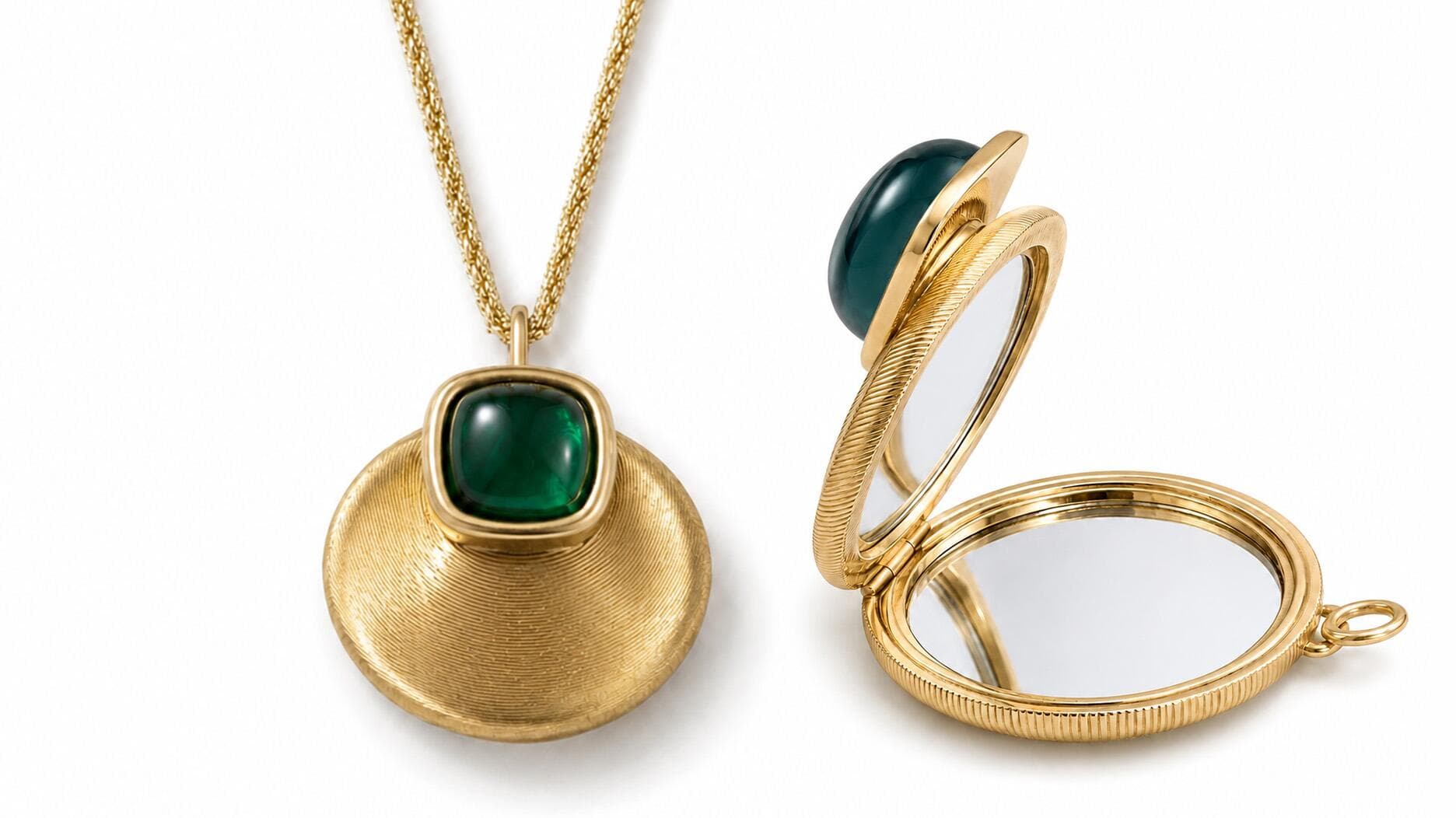
Vintage jewelry gains momentum as value stories drive sales
Vintage sells best when it is framed as proof of value: pair estate pieces with vintage-inspired new designs, then let patina, construction and story do the persuading.
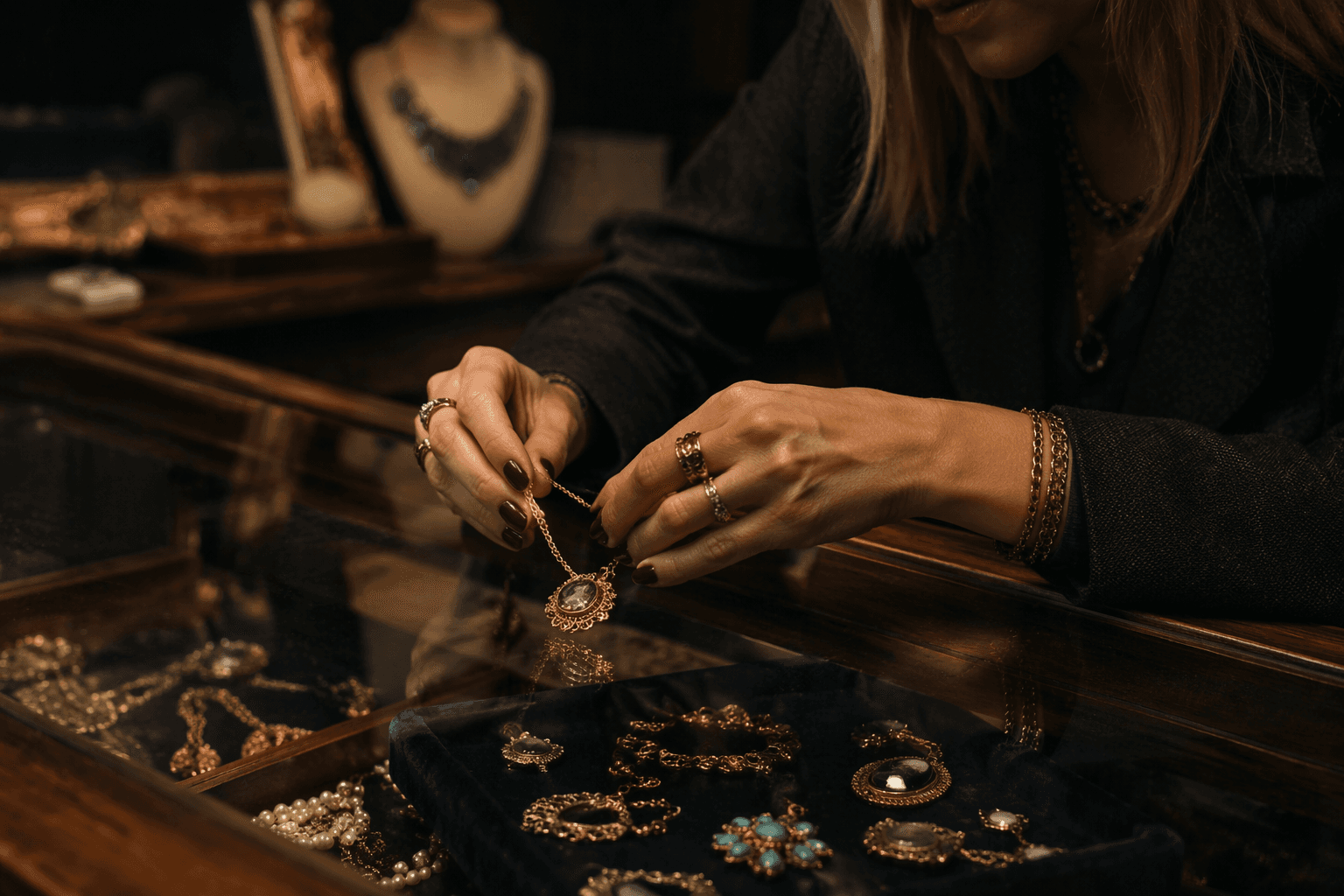
A small archive at the counter
A vintage ring is rarely just a ring. A hidden stamp inside the shank, a softened bezel edge, a little wear at the gallery, even the patina in the gold can turn a jewel into evidence, and that is exactly why the category is converting now. The strongest independents are not selling nostalgia alone; they are selling proof, using each piece as a small archive of materials, workmanship and previous life.
That approach matters because the customer who pauses in front of a case wants to understand what makes one object feel worth more than another. In practice, that means identifying period details, explaining condition without apology, and showing how a brooch, bracelet or diamond ring carries both craftsmanship and narrative. The sale begins when the piece feels legible.
Why value has become the language that closes the sale
The broader luxury market has made that message easier to hear. McKinsey said the luxury sector was facing a significant slowdown, with price increases reaching a ceiling and higher prices hurting demand among aspirational consumers. It also said luxury value creation was expected to create less value than the previous year for the first time since 2016, excluding 2020. In that climate, estate and vintage pieces read less like a detour and more like a smart entry point.
Rising gold prices have sharpened the argument. Several retailers say estate and vintage-inspired jewelry is easier to sell when the conversation starts with value, not rarity alone. The customer may not be fluent in period terminology, but she understands that a well-made old piece, especially one with substantial gold weight or an interesting stone, can offer more presence and more character than a new item at a similar price.
The data backs up that appetite for perceived value. The RealReal’s 2025 Resale Report found fine jewelry average selling prices rose 17% year over year, a signal that buyers are still willing to pay when craftsmanship and story feel convincing. Vintage is converting because it answers the modern luxury question: what am I actually getting for the money?
Merchandise true vintage beside vintage-inspired new pieces
The most effective retail strategy is not to isolate the old from the new. Independent jewelers are finding that true estate pieces sell better when they are shown alongside vintage-inspired contemporary designs, especially when the silhouettes speak to one another. A scalloped diamond ring beside a newly made Art Deco-style band, or a slim brooch pinned near a fresh pearl pendant, helps the customer compare the emotional effect of each without forcing a hard choice between eras.
That mixed presentation also makes the case feel less intimidating. Vintage can seem precious or fragile when it stands alone; paired with a current design, it becomes part of an aesthetic vocabulary the customer already recognizes. The result is not confusion, but context.
- One or two anchor pieces with unmistakable period character, such as an antique-diamond ring or a brooch with original pin construction.
- A small number of vintage-inspired new jewels that echo those forms in a cleaner, more wearable way.
- Enough breathing room around each item for the viewer to read details like setting style, stone cut, clasp type and evidence of hand work.
A smart case edit usually has:
That visual rhythm matters more than volume. A well-curated selection often does more than a crowded spread, because the pieces look chosen rather than merely stocked.
Sell the object, then teach the eye
The retailers winning in this category are using visible storytelling at the counter. They are not over-explaining the category or reciting a lecture on every era; they are letting the object do most of the work, then stepping in with one or two specifics that unlock confidence. A tiny hallmark, the crisp geometry of an old setting, the mellow color of the gold or the integrity of the clasp can tell a far more persuasive story than a long sales script.
That is where customer education becomes practical, not precious. Explain what is original and what has been restored. Point out whether a stone sits in prongs, a bezel or a closed-back mounting, because setting style helps signal age, wear and durability. Show how a brooch pin closes, where a chain has been shortened, or why an old mine-cut diamond looks different from a modern brilliant. Those details reassure first-time buyers and deepen the interest of collectors.
Confidence also comes from candor about condition. Light wear, soft engraving or a small repair can be part of a piece’s appeal when the seller frames it as evidence of use rather than damage. In vintage, the story of survival often adds value.
Why the mix is resonating now
Momentum is building beyond the independent shop floor. JCK pointed to antique and vintage jewelry as one of the categories set for a strong 2026, linking that demand to Taylor Swift’s antique-diamond engagement ring, the continued pull of the brooch aesthetic, and a wider appetite for nostalgia. The same momentum showed up in the market activity around Greenwich St. Jewelers, which introduced its first estate capsule collection, and in For Future Reference, where showroom founder Randi Molofsky launched a vintage brand.
Event traffic has reinforced the signal as well. KIL Promotions’ sold-out November NYC Jewelry, Antique, & Object Show drew almost 7,000 attendees, and the organizer added a January 23-25, 2026 edition at the New York Hilton Midtown. That kind of turnout suggests the vintage category is no longer a niche corner of the market; it is part of the larger luxury-thrifting conversation.
Rebag’s Clair Report adds another layer to the story, predicting that tariffs in 2025 would push consumers toward antique, vintage and resale purchases. For independents, that means the category is being pulled forward by economics, aesthetics and cultural visibility at the same time.
Take the story online, not just into the case
McKinsey has noted that nearly 80% of luxury sales are digitally influenced, and vintage selling should be no exception. The same details that close the sale in person, hallmarks, side profiles, scale in hand, condition notes, can and should travel across social, email and product pages. A mixed online-offline journey works especially well here because it gives the buyer time to inspect the evidence before returning to the case with intent.
For independents, the playbook is clear. Pair true vintage with vintage-inspired new pieces. Price against gold, craftsmanship and condition, not against sentiment alone. Let the display show the relationship between eras. And above all, build the value story in plain sight, because in 2026 the pieces that sell are the ones that can explain themselves.
This article was produced by Prism’s automated news system from verified source data, official records, and press releases, then run through automated quality and moderation checks before publishing. The system is built and supervised by the people who set the standards it runs under. Read our full AI policy.
Did this article answer your question?