Adams County remembers tobacco farming’s role in family life and economy
Tobacco once paid Adams County’s notes, bought Christmas gifts and sent kids to college. Its memory still explains the county’s farm economy and family routines.
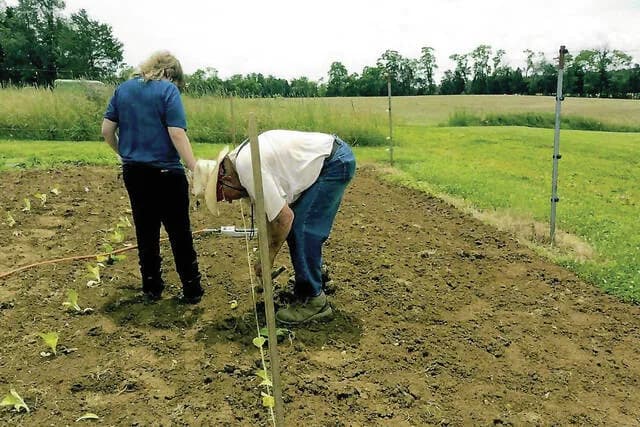
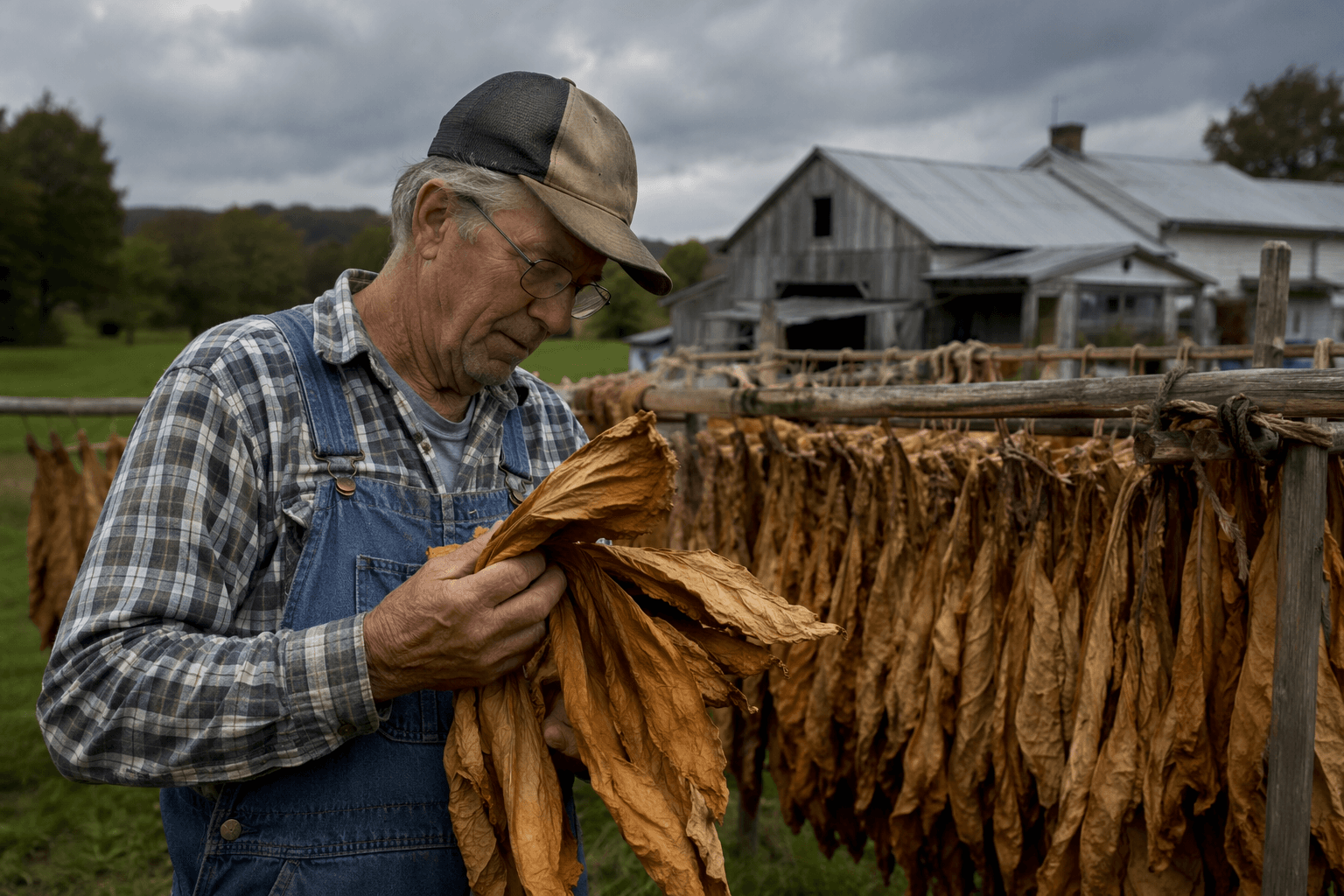
Corbett Phipps remembers teaching his 13-year-old grandson how to set tobacco with a tobacco peg in Adams County. In the 1950s, 60s and 70s, tobacco helped organize work, cash flow, and even the way families planned for Christmas.
Tobacco shaped the farm and the household
Nearly every farm in Adams County had a tobacco base during the height of the crop’s influence, and those bases were managed through the local ASC and later FSA system under burley co-op rules. Farmers could only grow what their allotment allowed, first under acreage limits and later under poundage allotments, which tied production tightly to federal rules. Those rules decided who could plant, how much could be sold, and how income moved through farm families.
The work itself carried a family rhythm that older residents still remember clearly. Tobacco started with pegging wet plants into the ground, then shifted over time to mechanical transplanters and dry-field setting, but the crop still demanded labor that crossed generations. Young people grew up knowing when the crop needed hands.
The money stayed close to home
Burley tobacco once brought nearly $9 million into Adams County. It paid farm notes, bought Christmas gifts, put fuel in the tank, and helped a young person buy a first car or truck or pay for college.
The crop’s income arrived in a way that lined up with family needs, from holiday shopping to debt payments, and it gave farm households a way to connect one season’s labor to the next season’s expenses.
From federal control to a free market
The rules that shaped tobacco in Adams County were part of a much larger federal system. The tobacco program was created under the Agricultural Adjustment Act of 1938 and ran for about 66 years with acreage and marketing quotas plus price supports. The Fair and Equitable Tobacco Reform Act of 2004 ended that program after the 2004 crop year, and the buyout was designed to provide about $9.6 billion in compensation to quota owners and active producers.
The change after the 2005 crop was dramatic. Federal restrictions disappeared on who could grow and market tobacco, where it could be grown, and how much could be produced and sold. The quota system that once governed Adams County farms gave way to a more open market, but the transition also helped thin out the number of growers. The county now has only a handful of farms still producing tobacco, and even many older farmers who no longer depend on it keep a few plants in the garden out of tradition.
What Adams County has now, and what it still remembers
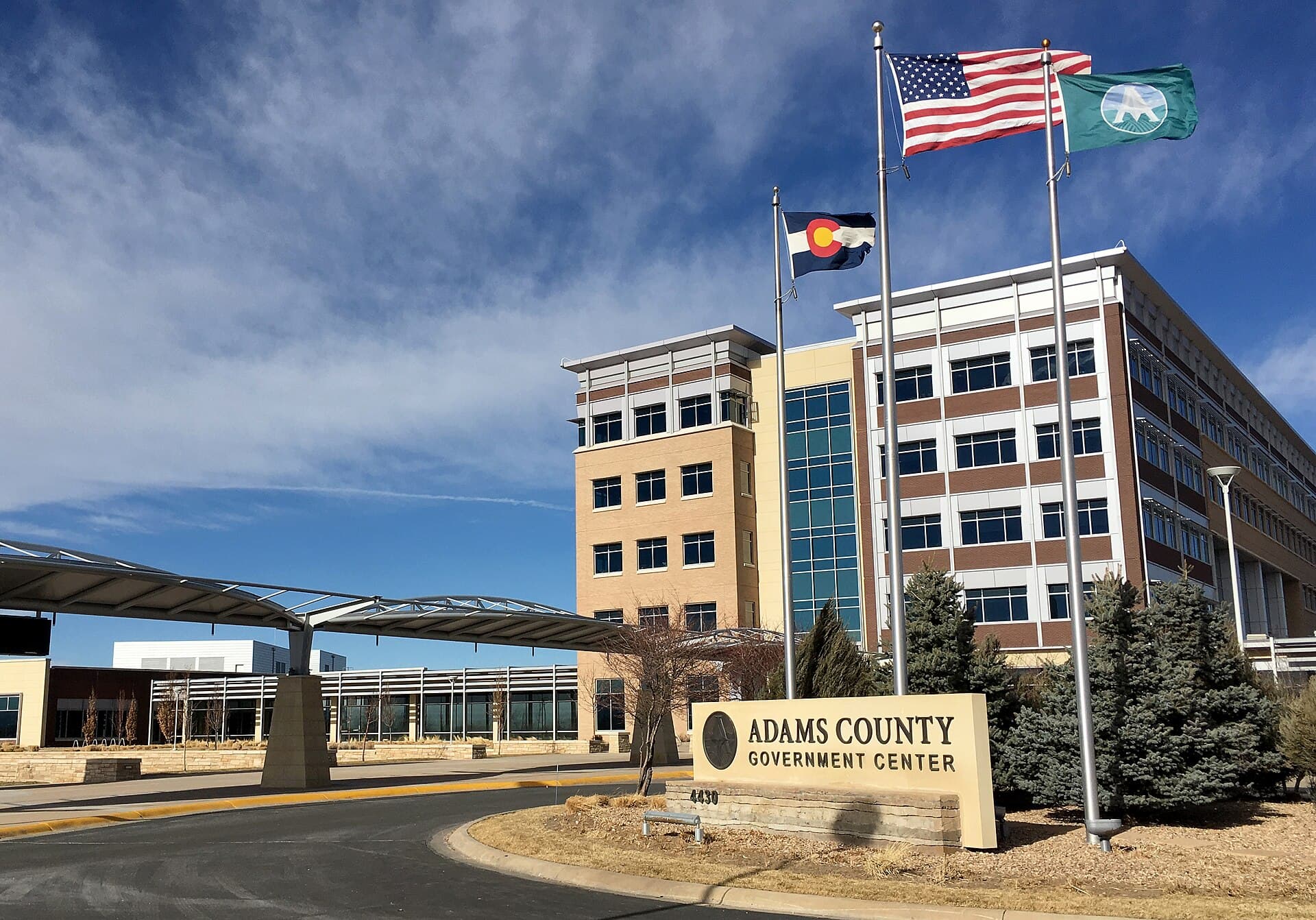
Adams County is still a farm county, just not a tobacco-dominant one. USDA’s 2022 county profile reports 83,742 acres of cropland in farms, and crops make up 68% of agricultural sales in the county. Agriculture remains central to the local economy, even if no single crop carries the same social weight tobacco once did.
Burley was a primary regional cash crop in southern Ohio, where production was concentrated in a relatively small part of the state. The Ohio Tobacco Museum in Ripley, which calls itself the only tobacco museum in Ohio, opened in 1988. White burley tobacco was discovered in Brown County in 1864 and spread through southern Ohio beginning in the late 1860s.
Keeping the record alive
Founded in 1797, Adams County now preserves its farm past at the Adams County Heritage Center, the Adams County Historical Society, and the Adams County Genealogical Society. They preserve agricultural records and family history that let younger residents see how tobacco shaped the county before consolidation, buyouts, and changing markets thinned the crop’s presence.
This article was produced by Prism’s automated news system from verified source data, official records, and press releases, then run through automated quality and moderation checks before publishing. The system is built and supervised by the people who set the standards it runs under. Read our full AI policy.
Did this article answer your question?