Adams County's Edge of Appalachia draws migratory birds and hikers
Spring and fall migrations turn Adams County into a birding corridor, with Edge of Appalachia, Shawnee and Tranquility anchored by a long-running symposium.

The Edge of Appalachia, Shawnee State Forest, Brush Creek State Forest and Tranquility Wildlife Area give Adams County a rare birding map for a rural place. Spring and fall bring warblers through those public lands, while the Adams County Bird Symposium has turned that movement into a local tourism season with a clear place to go and a reason to stay.
The Edge of Appalachia as the county’s anchor
The Edge of Appalachia Preserve System is the county’s heavyweight site: a 20,000-acre preserve system about 75 miles east of Cincinnati, with more than 9 miles of hiking trails. The Nature Conservancy describes it as a protected corridor for migratory birds and for wildlife adjusting to climate change, which helps explain why the preserve has become a destination rather than just a scenic stop.
Bird numbers give the place its credibility. The Ohio Ornithological Society says 172 bird species have been recorded there, 107 breed on the preserve, and 11 are of high conservation concern. That mix makes the Edge a strong base for spring and fall visits, especially for people who want habitat, trail access and a long list of possible sightings in one county.
The hiking side matters too. Cincinnati Museum Center highlights the preserve system’s trail network, and The Nature Conservancy points to the Wilderness Trail as a place where visitors can hear local wildlife and watch seasonal habitat changes. That combination of birds and footpaths is what turns the Edge into a county asset instead of a stand-alone natural area.
Where migrants concentrate in Adams County
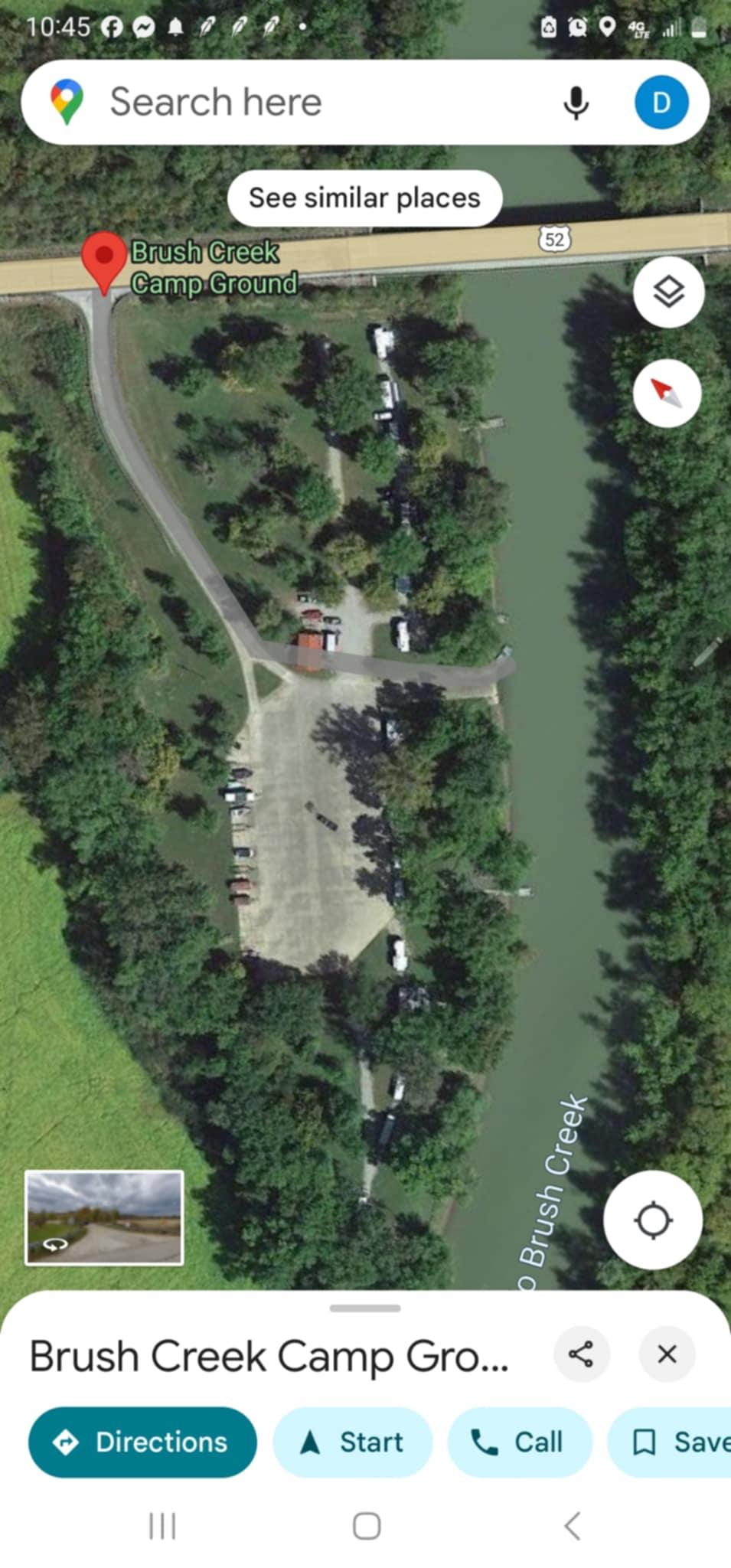
Adams County Travel & Visitors Bureau points birders to four public-access sites for spring and fall migration: the Edge of Appalachia Preserve, Shawnee State Forest, Brush Creek State Forest and Tranquility Wildlife Area. It also says the Appalachian Birding Trail runs through the county and carries visitors past some of the area’s best birding hot spots, which gives the county a built-in route instead of isolated stops.
Shawnee State Forest is the biggest draw by size. The Ohio Department of Natural Resources says it is Ohio’s largest state forest, with more than 60,000 acres, and that birding there is especially strong in late April and early May. During migration, more than 100 species may be found there, including Cerulean, Worm-eating and Kentucky warblers.
Tranquility Wildlife Area adds another layer of public land to the county’s birding grid. ODNR says the area covers 4,490 acres, and that acquisition began in 1956 and continued through 2002. That long buildout underscores how Adams County’s bird habitat is stitched together over time, with state land and preserves creating a wider route for migratory birds and for the people following them.
The trail connection broadens the trip beyond birdwatching alone. A travel listing describes the Appalachian Discovery & Birding Trail as a driving trail through Adams County’s forested landscape and historical sites, which means the county’s birding identity is tied to roads, overlooks, preserves and community landmarks rather than one isolated parking lot or trailhead.

The symposium that turned birding into a local institution
The Adams County Bird Symposium gives the county’s birding story a human center. The event began as an idea in fall 2003, when Amish resident Roman Mast wanted to create something that celebrated birds and birdwatching in Adams County. He worked with Chris Bedel of the Cincinnati Museum Center’s Edge of Appalachia Preserve and resident Randy Lakes to launch the first gathering.
The first symposium in 2004 drew more than 100 people into a local Amish businessman’s basement. By 2005 it had outgrown that space, moved to Yoder Log Homes and drew more than 240 people, enough to fill the venue in a sellout crowd. Local reporting says the event now typically draws more than 300 people, and the current venue has a capacity of 300.
The Adams County Nature Society describes the symposium as an annual gathering that brings together Amish and English bird enthusiasts, which matters in a county where tourism and community life are closely linked. Over the years, symposium sessions have covered hawk and owl identification, bird migration from Amish and English perspectives, the plight of the barn owl in Ohio, saw-whet owl winter movements in Adams County, bird vocalizations, sparrow identification, native plants for birds, bluebirds and purple martins.
The event is not just talks. It has included bird-related vendors, live bird demonstrations and informational booths from groups such as RAPTOR, Inc. and the Ohio Ornithological Society. That mix gives visitors a reason to spend time in the county and gives local organizers a way to tie outdoor recreation to education, conservation and small-scale tourism.
How to plan a birding trip around the county
The clearest timing window is spring and fall migration, when warblers move through the Edge of Appalachia, Shawnee State Forest, Brush Creek State Forest and Tranquility Wildlife Area. If you want the strongest spring concentration at one site, ODNR says late April and early May are especially productive at Shawnee. The Edge offers the broadest species list, while Tranquility and Brush Creek extend the public-land network that keeps birds moving through the county.
For hikers, the Edge is the best place to pair trail time with birding. More than 9 miles of trails, including the Wilderness Trail, create a way to move through habitat changes while listening for birds in the canopy and understory. For drivers, the Appalachian Discovery & Birding Trail gives the county a road-based route through forested landscape and historic sites, which makes Adams County easier to explore in a day trip or over a longer weekend.
What stands out is scale. Adams County has a 20,000-acre preserve system, a 60,000-plus-acre state forest, a 4,490-acre wildlife area and a symposium that has grown from a basement gathering of more than 100 people to a regular event that fills a 300-seat venue. That combination gives the county a migration season with land, trails, species, and a community structure built around them.
This article was produced by Prism’s automated news system from verified source data, official records, and press releases, then run through automated quality and moderation checks before publishing. The system is built and supervised by the people who set the standards it runs under. Read our full AI policy.
Did this article answer your question?