Firefly season lights up Adams County evenings through August
Adams County’s best firefly nights come after dusk on warm, dark evenings, with Quiverheart Gorge offering one of the clearest local places to watch. Turn off extra lights, stay on the trail, and go before the season fades in August.
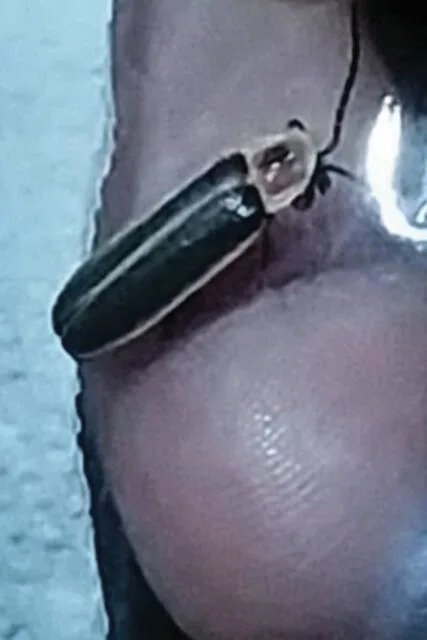
Firefly season gives Adams County one of the cheapest summer outings in the county: step outside after dusk, find a dark patch of sky, and wait for the flashes to start. The lights can run from early June into August, but the show thins out when nighttime temperatures slide below 65 degrees and stops altogether around 60 degrees or lower.
When the lights are best
Timing matters as much as location. Fireflies are most active on warm evenings, especially when the air stays above that 65-degree mark and the sky is dark enough for their signals to stand out. That makes late June and July prime time in Adams County, with August still offering a chance before the season winds down.
The insects’ life cycle explains why the display feels so fleeting. Fireflies spend long stretches of their lives as larvae, so what people notice on summer nights is only one stage of a much longer process. That is part of why the nightly display can seem abundant one week and thinner the next, depending on weather, light levels and habitat conditions.
Where to go in Adams County
Quiverheart Gorge is the clearest local destination for a planned firefly outing. It is a 99-acre preserve in Adams County with a deep dolomite gorge, scenic waterfalls and permit-only hiking access, and its trailhead is at 2199 State Route 781 in Peebles.
The preserve has already served as a setting for a dedicated firefly walk. Arc of Appalachia promoted a Quiverheart Evening Guided Hike & Firefly Outing for Friday, June 19, 2026, with the hike starting at 7:00 p.m. and firefly watching around 9:00 p.m. That timing reflects what works best in the field: hike while there is still some daylight, then settle in after dark when the flashes become easier to see.
A guided nighttime hike there drew visitors from Kentucky.
What you are actually seeing
Not every firefly shows the same pattern, and Ohio has more variety than many backyards reveal. A June 26 feature put the state at around 25 species, while Ohio State University materials list 31 recorded species, a difference that likely reflects how researchers count recorded versus likely species.
The familiar backyard firefly is Photinus pyralis, better known as the Big Dipper. It produces a yellow flash that traces a J-shaped streak, a pattern many Adams County residents recognize from lawns, edges of fields and tree lines after sunset.
Synchronous fireflies are a different and rarer story. Their timing has made them famous far beyond Ohio, but they are not the standard backyard species.
Why darkness matters
Fireflies rely on darkness for communication, which is why porch lights, landscape lighting and other artificial light can interfere with the exchange.
That is one of the simplest reasons to make a firefly outing better at home and in the field: turn off unnecessary lights before you go outside. The less glare in the yard, the easier it is to see flashes along edges, hedgerows and open spaces where fireflies are already active.
What helps fireflies keep coming back
Habitat loss and fragmentation are the leading causes of firefly decline, and pesticide exposure is a major threat. In practical terms, that means overmanicured lawns, heavy pesticide use and bright lighting all chip away at the conditions fireflies need to survive.
Small choices add up. Keeping some leaf litter, brush and wetter edges intact gives larvae more of the damp habitat they need. Reducing insecticide use and avoiding unnecessary outdoor lighting can help preserve the conditions that make summer firefly watching possible in the first place.
A useful comparison from the Smokies
The best known firefly spectacle in the region is not in Adams County but in Great Smoky Mountains National Park. The park scheduled its 2026 synchronous firefly event at Elkmont for May 20-27, and its lottery for vehicle reservations opened April 24 and closed April 27 with a $1 application fee.
Photinus carolinus, the species associated with that event, is one of at least 19 firefly species in Great Smoky Mountains National Park and one of only a few species in the world known to synchronize flash patterns. That rarity explains why the Smokies event functions as a destination lottery; Adams County offers a free evening outside, close to home, with no lottery and no long drive.
How to make the most of a local viewing night
Pick a warm night, wait until after dusk, and choose a darker place with minimal overhead lighting. Quiverheart Gorge fits that model well, but any local spot with darkness and vegetation can work if the temperature stays high enough.
- Go after sunset, then stay patient for the flashes to build.
- Turn off porch, driveway and landscape lights before heading out.
- Use a dim flashlight only if you need one, and keep it pointed down.
- Stay on trails and respect permit-only access at Quiverheart Gorge.
- Avoid spraying pesticides near the places you want fireflies to return.
This article was produced by Prism’s automated news system from verified source data, official records, and press releases, then run through automated quality and moderation checks before publishing. The system is built and supervised by the people who set the standards it runs under. Read our full AI policy.
Did this article answer your question?