Flash flooding reaches apartment complex on Rice Drive in West Union
Water pushed into the lowest level of a Rice Drive apartment complex in West Union, raising fresh concern for residents in a flood-prone stretch of Adams County.
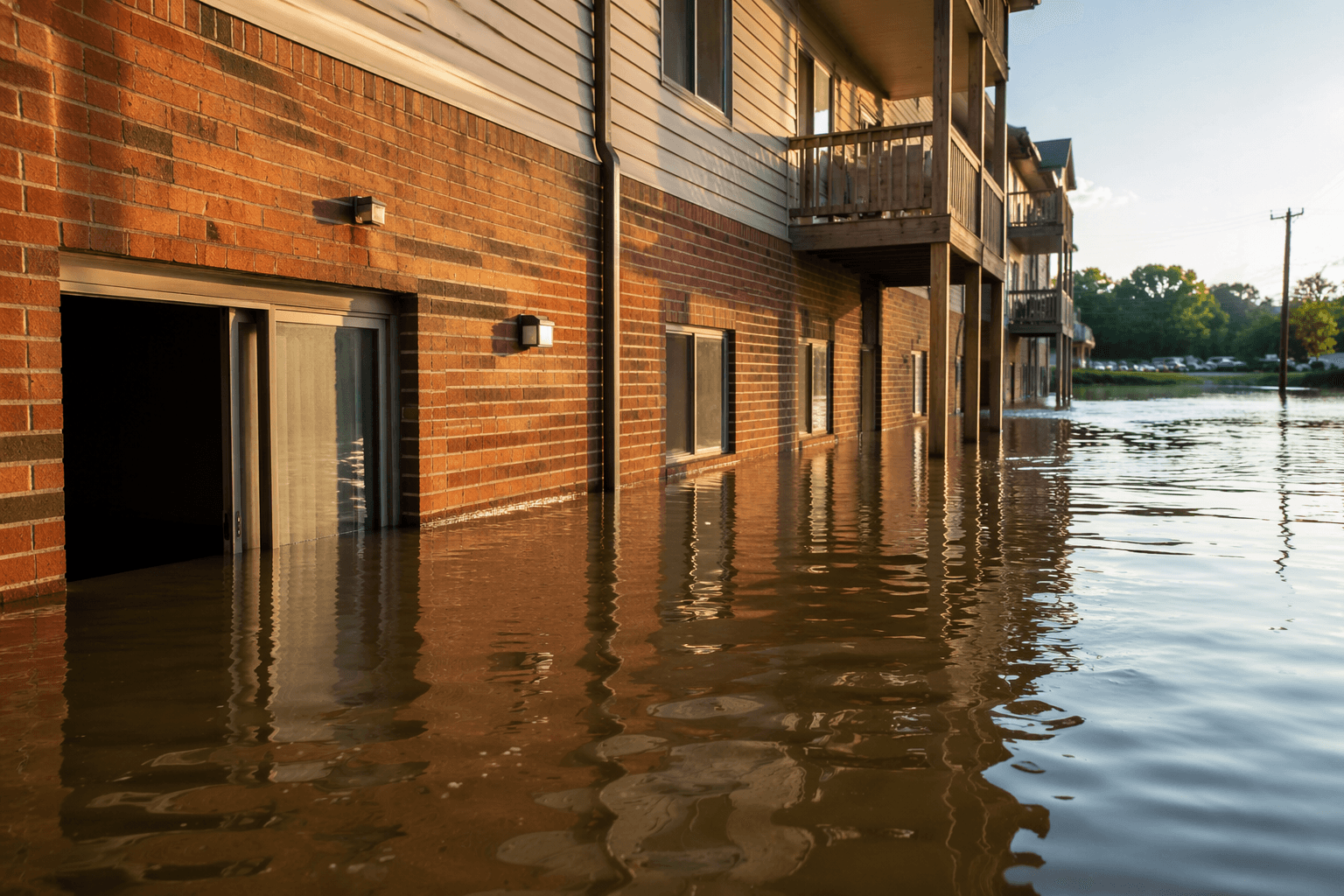
Water reached and entered the lowest level of an apartment complex off Rice Drive in southwest West Union on May 24, a close call for residents in a part of town that has already taken hard hits from severe weather. Photos shared on social media showed the flooding spreading across the area as runoff and rising water moved toward the buildings.
The flooded stretch sits near Oakdale Family Estates at 222 Rice Drive, a family-oriented apartment community, and Oakdale Senior Estates at 310 Rice Drive, another residential property on the same road. For tenants living in the lowest units, the water intrusion was more than a nuisance: it put ground-floor living space, access points and personal property at risk in a neighborhood where a fast-moving storm can quickly turn into a housing problem.

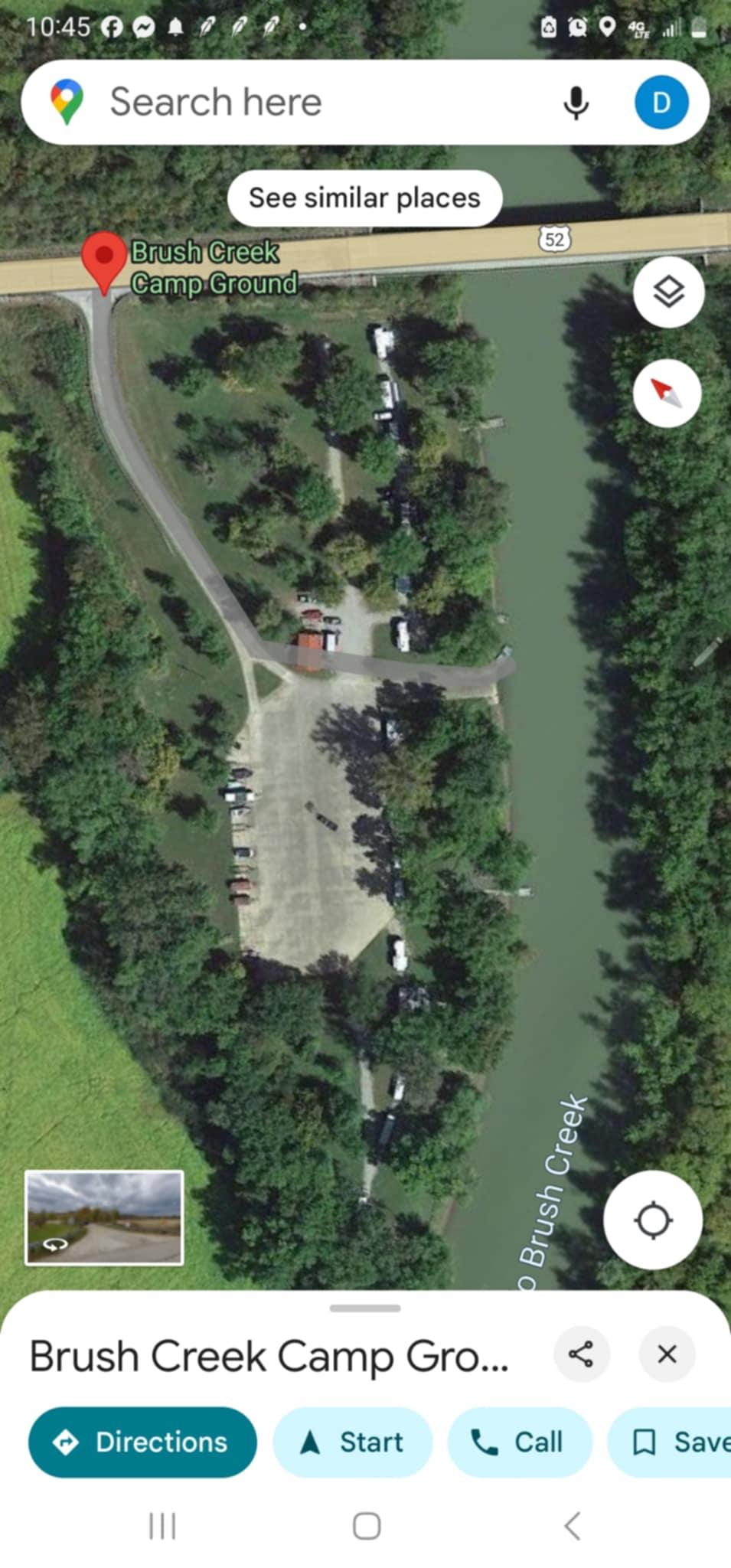
The National Weather Service says Ohio Brush Creek near West Union has a flood stage of 16.0 feet. Its river information for the West Union area warns that low-lying homes and businesses near town begin to flood when the creek rises. The forecast also lists an action stage of 11.0 feet, with moderate flooding at 24.0 feet and major flooding at 29.0 feet, a reminder that even stages below the higher categories can still threaten vulnerable properties.
That makes the Rice Drive flooding especially important for residents living close to the creek and its drainage paths. When water reaches the lowest level of an apartment complex, it signals that the next round of heavy rain could again push runoff toward homes, parking areas and utility spaces before it has anywhere else to go.
West Union and the rest of Adams County have seen repeated severe-weather impacts in recent years, including flooding and storm damage in April 2024 and again in May 2025. Those back-to-back weather events have left residents with a clear warning: the next heavy rain will not just be a forecast to watch, but a test of how well the community can keep low-lying housing dry and safe.
This article was produced by Prism’s automated news system from verified source data, official records, and press releases, then run through automated quality and moderation checks before publishing. The system is built and supervised by the people who set the standards it runs under. Read our full AI policy.
Did this article answer your question?