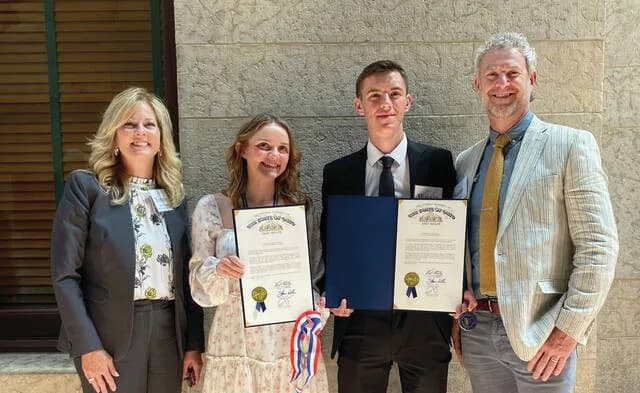
Local Student Credits Instructors for Launching Health Care Career
A Southern State Community College student wrote a first-person account praising instructors whose guidance shaped their education and career plans, highlighting specific classes and supportive faculty. The story underscores how community college training feeds local workforce needs, especially in health care, and points to the importance of continued investment in affordable, career-focused education for Adams County residents.
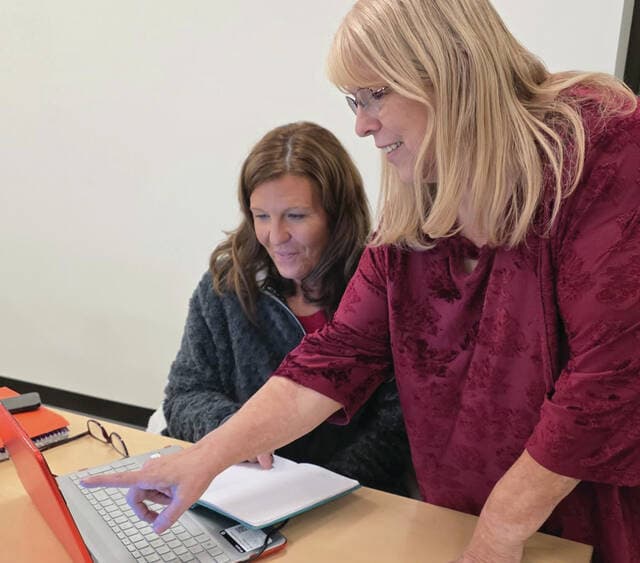
A Southern State Community College student recently described how faculty support and targeted coursework helped turn uncertainty about next steps into concrete plans for further study and employment. The student outlined a background that included nontraditional pathways into higher education, highlighted the classes and instructors that made the biggest difference, and said they intend to continue studies and seek work in health care or another field where classroom training translates directly to jobs.
The account emphasized practical elements of the college experience: hands-on labs, supportive advising, and faculty who pushed students to connect classroom learning with career steps. Several specific courses were identified as pivotal in building technical skills and confidence, and the student credited instructor mentorship with helping navigate financial aid and program planning. Those details illustrate how Southern State’s programs function as a bridge from classroom to workplace for local residents.
The local implications are immediate. Health care employment remains a leading source of new jobs in regional labor markets, and community college graduates are often the pipeline filling entry-level nursing, medical assistant, and allied health roles. For Adams County, where an aging population and steady demand for health services put pressure on staffing, graduates with practical credentials can be hired quickly by hospitals, clinics, and long-term care providers. That dynamic helps stabilize local health services and keeps wage income circulating in the county economy.

Policy and funding decisions at the county and state levels shape how effective that pipeline can be. Investments in community college capacity, paid clinical placements, and advising reduce barriers that otherwise prolong training or prevent enrollment. For students balancing work and family responsibilities, the affordability and shorter program lengths at community colleges often determine whether career transitions are possible.
The student’s path also highlights longer-term trends: increasing reliance on credential-based hiring in health care, the growing role of community colleges in workforce training, and the economic value of close ties between educators and employers. For Adams County residents considering training options, the student’s experience is a reminder that local classrooms and instructors can be pivotal to both individual economic mobility and the county’s broader workforce resilience.
This article was produced by Prism’s automated news system from verified source data, official records, and press releases, then run through automated quality and moderation checks before publishing. The system is built and supervised by the people who set the standards it runs under. Read our full AI policy.
Did this article answer your question?