NPS adds Tranquility homestead to Underground Railroad network
The National Park Service added the John T. Wilson Homestead in Tranquility to its Underground Railroad network, one of 14 new listings in 11 states. The site anchors a countywide route through Adams County.
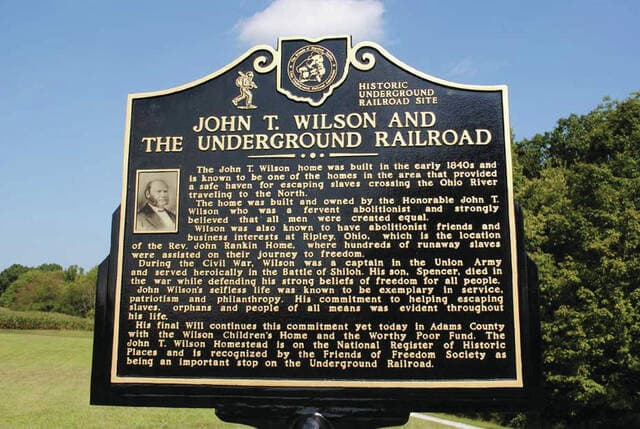
The National Park Service added the John T. Wilson Homestead in Tranquility to its Underground Railroad Network to Freedom on Oct. 25, 2024, placing an Adams County site among 14 new listings in 11 states. The federal program now includes more than 800 locations nationwide with verifiable Underground Railroad connections.
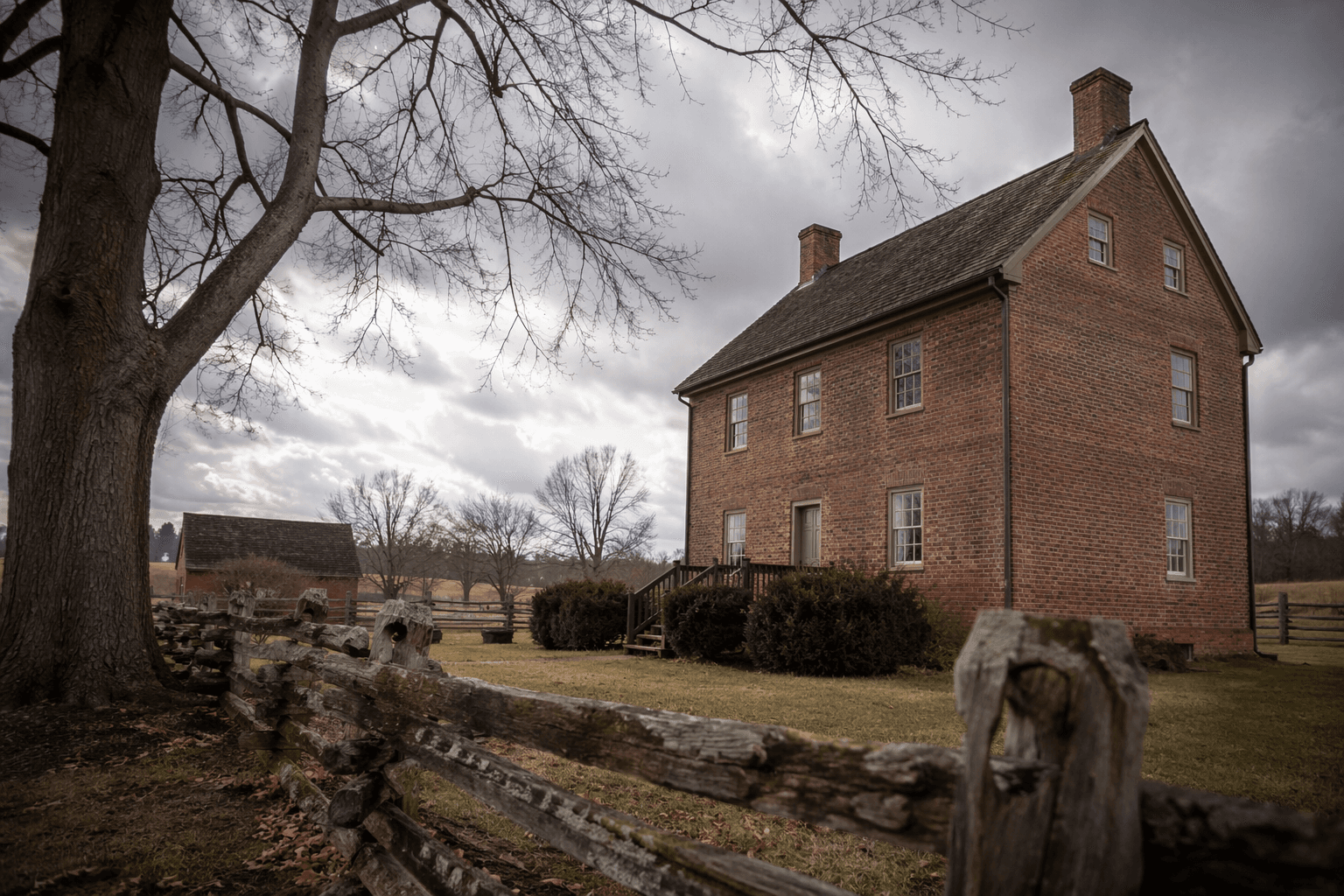
In Adams County, the Wilson homestead is not an isolated stop. John T. Wilson settled in Tranquility in 1832, then built a brick home, store and post office there in 1844, giving his property the kind of everyday access that could move people, goods and information. The homestead’s documented Underground Railroad activity ran from the 1830s through the 1850s, and the site is described as part of a well-documented corridor of freedom-seeking activity in Scott Township that reached toward Highland County.
That corridor stretched beyond one house and one family. The Wilson site was tied to the McCreight family, the Tranquility Presbyterian church, James Wiley Torrence, John W. Hudson and other local conductors who moved freedom seekers through the county’s back roads. Calvin Rankin called the broader path Ripley’s Eastern Route, and the route through Adams County ran through Decatur, Cherry Fork, Mt. Leigh and Tranquility before heading on toward the next safe stop.
Another key anchor was the Wickerham Inn, built in 1800-1801 by Peter Wickerham along Old Zane’s Trace. The building functioned as a stagecoach stop and tavern, but it also served as an Underground Railroad stop, linking shelter, food and protection to the hidden network that moved freedom seekers through southern Ohio. The route from Ripley passed through Red Oak, Decatur, Cherry Fork, Mt. Leigh and Tranquility before converging near the Wickerham property.
West Union adds a second Adams County thread. Joseph “Joe” Logan arrived in the county in the summer of 1822, after his wife Jemima and their child had already found refuge in Ohio following her emancipation. Logan worked closely with Rev. John Graham, an Associate Reformed Presbyterian minister, and other local abolitionists while navigating Ohio’s restrictive Black Laws. The story places churches, taverns, kinship ties and trusted neighbors inside the same freedom network.
The Gov. Thomas Kirker Homestead gives that network an even earlier foothold. Built in 1805 along Zane’s Trace, the home of Ohio’s second governor sheltered freedom seekers in the house of Thomas Kirker, Sarah Kirker and their thirteen children. Together, the Kirker homestead, the Wickerham Inn and the Wilson property show how Adams County’s Underground Railroad history ran along roads, churches and households that can still be located today.
The Appalachian Freedom Heritage Tourism Initiative describes itself as a nine-county, three-state effort in Ohio, Kentucky and West Virginia, and says it aims to recognize 27 sites through the National Park Service marker program. In Adams County, the documented sites now give the county a map of freedom that is tied to named places, dated events and verified history.
This article was produced by Prism’s automated news system from verified source data, official records, and press releases, then run through automated quality and moderation checks before publishing. The system is built and supervised by the people who set the standards it runs under. Read our full AI policy.
Did this article answer your question?