Southern State Community College Announces Nursing Leadership Transition
Southern State Community College announced the retirement of its long-time dean of health sciences and named a successor to serve as Director of Nursing, with the institution describing an organized transition and continued support for its nursing programs. The change matters to Adams County residents because leadership shifts affect program stability, clinical training partnerships, and the pipeline of nurses serving local hospitals and care providers.
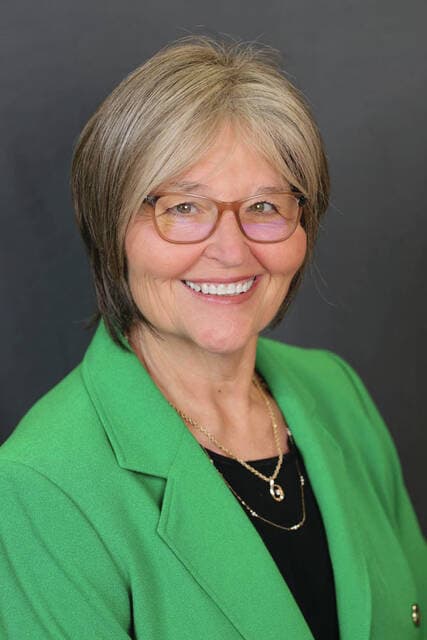
Southern State Community College revealed a leadership change in its health sciences division on January 2, 2026, when a long-serving dean retired and the college named a new Director of Nursing to take over nursing program leadership. The college provided a transition plan and said it will maintain active support for its associate degree nursing (ADN) and practical nursing (PN) programs as responsibilities are transferred.
The announcement places a spotlight on one of the community college’s most consequential academic areas. ADN and PN programs are central to producing the registered nurses and practical nurses who staff hospitals, clinics, nursing homes, and home care agencies across Adams County. A stable leadership hand is important for keeping class schedules on track, preserving clinical placements with local healthcare partners, and ensuring continuity for students nearing graduation or licensure testing.
Institutionally, the move follows a common cycle in higher education governance where long-tenured leaders step down and successors either promote continuity or signal change. The college framed the appointment as part of an orderly transition, emphasizing ongoing support for core nursing programs. That approach aims to reduce disruption to students and clinical partners, though operational details such as course sequencing, adjunct staffing, and clinical site coordination will determine the transition’s practical impact in the weeks and months ahead.
For local health systems, the appointment matters because academic leadership often negotiates clinical rotations, faculty involvement in training, and joint workforce initiatives. Any change at the top can affect scheduling and the capacity of clinical partners to host students. For students, the most immediate concerns are ensuring that clinical hours, program accreditation requirements, and preparation for licensure examinations remain on schedule.
From a public policy and civic engagement standpoint, community members and local officials will have reasons to monitor the transition. Community colleges receive public funding and serve as a key workforce development tool; leadership changes that affect program throughput can ripple into local labor supply and service capacity. Trustees, civic leaders, and healthcare employers typically have an interest in the college’s ongoing plans for program support and recruitment of qualified faculty.
Southern State Community College has signaled it intends to preserve program stability while implementing the leadership change. Residents, students, and healthcare partners should expect follow-up announcements from the college detailing transition steps and any adjustments to program operations.
This article was produced by Prism’s automated news system from verified source data, official records, and press releases, then run through automated quality and moderation checks before publishing. The system is built and supervised by the people who set the standards it runs under. Read our full AI policy.
Did this article answer your question?