Ty Hickey traces Adams County roots to conservation and stream health
Ty Hickey’s Adams County roots run from Ohio Brush Creek to the Edge of Appalachia, where stream health and hands-on stewardship turn local memory into action.

Ty Hickey’s Adams County story begins with a creek
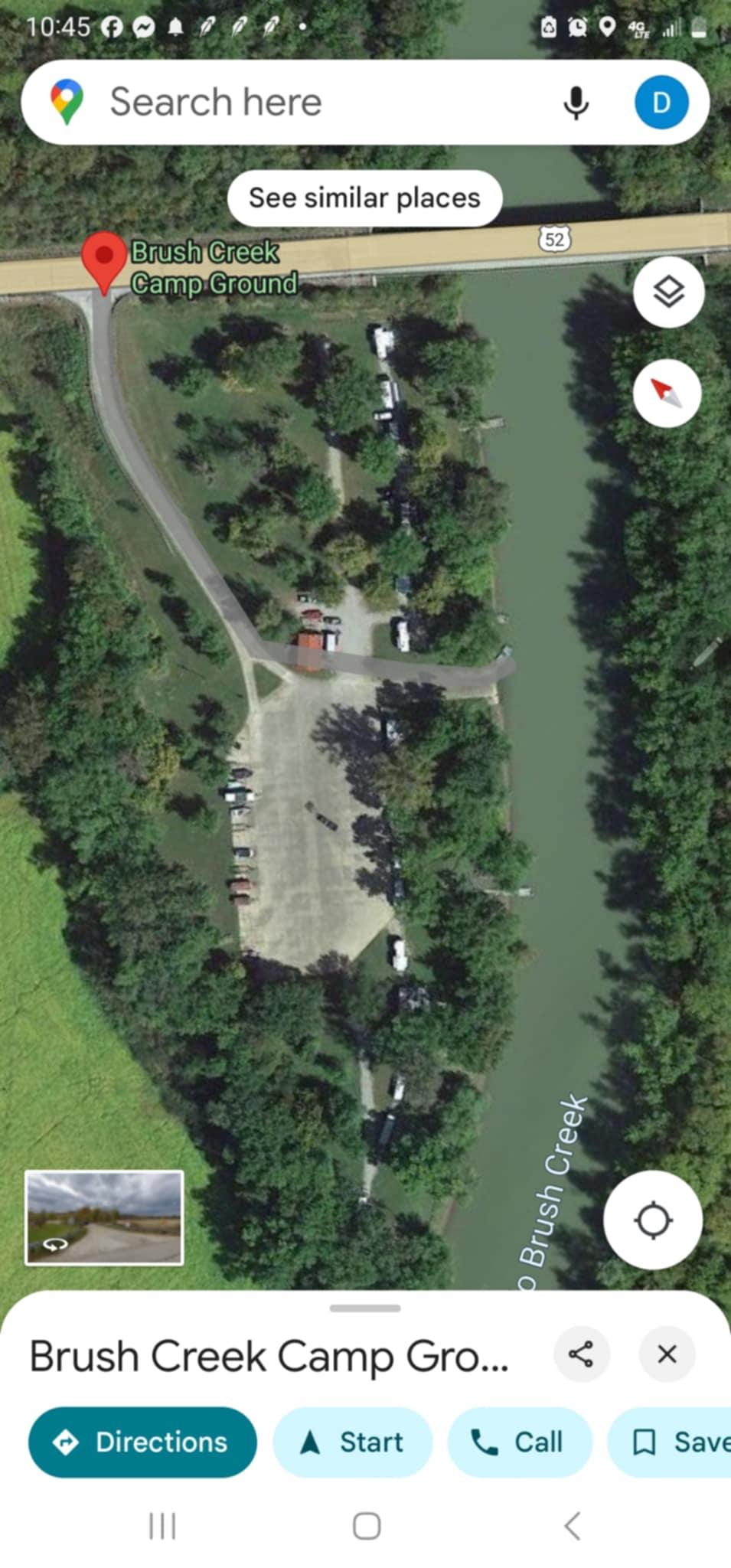
Ty Hickey measures Adams County in waterways, not just miles. He grew up on Ohio Brush Creek in the northwestern part of the county, where a childhood spent looking for frogs, salamanders and other small creatures turned into a lasting attention to the health of the land and water around him. That early curiosity now shapes how he sees conservation in a county of 27,477 people, where streams, forests and rural land use are part of everyday life rather than distant scenery.
The lesson in Hickey’s story is plain: local pride does not have to stay sentimental. In Adams County, it can become a habit of watching for change, cleaning up what is left behind and paying attention to whether a creek still looks alive.
Why Brush Creek became a warning sign
Hickey remembers a time when freshwater mussels were abundant in Brush Creek. He says he now sees fewer of them, and that difference matters because mussels are widely used by scientists as biological indicators of stream health. In Ohio, native mussels are protected under state law, and the Ohio Department of Natural Resources says ten federally listed mussel species occur in the state.

The creek’s condition matters beyond memory. The Ohio Environmental Protection Agency uses biological and water-quality monitoring, along with Total Maximum Daily Load reports, to identify polluted waters and direct cleanup efforts. A 2011 Ohio EPA TMDL report for Scioto Brush Creek found water-quality problems at several locations in that watershed, underscoring that Adams County’s streams are not just scenic features, but working systems that reveal whether the county’s land-use choices are sustainable.
For Hickey, the point is not abstract. He sees the creek as a living system that needs care, and the change he has noticed has pushed him to act. Sometimes that means bringing attention to the issue. Sometimes it means simply picking up trash. Either way, his view is rooted in the same practical idea: people depend on the environment even when they are not thinking about it every day.
The Edge of Appalachia is more than a preserve
Hickey’s connection to Adams County also runs through the Edge of Appalachia Preserve System, a place he remembers from high school hikes and stories told by his father and neighbors. The Richard and Lucile Durrell Edge of Appalachia Preserve System now encompasses more than 21,000 acres in southern Ohio, and The Nature Conservancy describes it as one of the most biologically diverse natural systems in the Midwest. Another Conservancy page says it is Ohio’s largest privately owned protected natural area and home to more than 100 rare plant and animal species.
The preserve also serves a broader ecological purpose. It functions as a protected corridor for migratory birds and wildlife responding to climate change, giving the land value that reaches beyond county lines. That makes the Edge not just a place of local pride, but an example of how conservation in Adams County can serve regional resilience.

Hickey describes the preserve as having a kind of mystery, and his attachment to it has not faded just because he now lives in Cincinnati. That matters because the Edge is not only a destination for hikers or scientists. It is a symbol of what happens when a community protects land that is distinctive enough to matter to the whole state.
A conservation legacy that started in Adams County
The Edge’s history shows why Adams County has long mattered to Ohio conservation. The Nature Conservancy’s first Ohio preserve was Lynx Prairie in Adams County, purchased in 1959 and identified that same year as one of Ohio’s best remaining examples of cedar barrens prairie. That early acquisition helped establish the county as a place where botanical and ecological work could change the future of land protection.
That history also connects to E. Lucy Braun, the pioneering ecologist whose research helped put Adams County on the conservation map. Her work remains part of the county’s identity because it showed that the region’s rare habitats were not expendable, but irreplaceable. Hickey’s story fits into that longer arc: a personal relationship to place that echoes a much older scientific commitment to studying and protecting it.

The local landscape is still central to that mission. The Nature Conservancy says the 154-acre Portman tract at the Edge of Appalachia Preserve in Adams County protects a quarter mile of Ohio Brush Creek and one-third of a mile of Beasley Fork. Even small stretches of stream matter when the goal is to preserve water quality, habitat and wildlife movement across a broader system.
Stewardship in practice, not just in memory
Hickey’s example is strongest because it is active. The story connects him to volunteer work beyond Adams County memories, including helping plant tree nuts at a restoration site. That detail matters because it shows a pattern: concern for a place becomes meaningful when it results in physical work, even small acts, that improve the land.
For Adams County residents, the practical lesson is clear. Conservation is not only for specialists or major institutions. It is visible in whether trash gets removed from a creek bank, whether rare habitats are protected, whether local waters are monitored, and whether people keep showing up for the landscapes that shaped them. In a county where the health of Ohio Brush Creek and the Edge of Appalachia can still be read in the land itself, Hickey’s story is a reminder that place-based memory can become place-based responsibility.
This article was produced by Prism’s automated news system from verified source data, official records, and press releases, then run through automated quality and moderation checks before publishing. The system is built and supervised by the people who set the standards it runs under. Read our full AI policy.
Did this article answer your question?