Alamance Battleground preserves the 1771 clash that shaped the county
Alamance Battleground marks the 1771 Regulator fight, and the site still shapes who owns Alamance County’s origin story today.
At Alamance Battleground in Burlington, the county’s origin story is still anchored to one violent afternoon in 1771, when backcountry farmers calling themselves Regulators faced William Tryon’s militia. The site at 5803 N.C. 62 S is more than a preserved field: it is where Alamance County’s civic memory, tourism pitch, and historical arguments still collide.
Why Alamance Battleground matters now
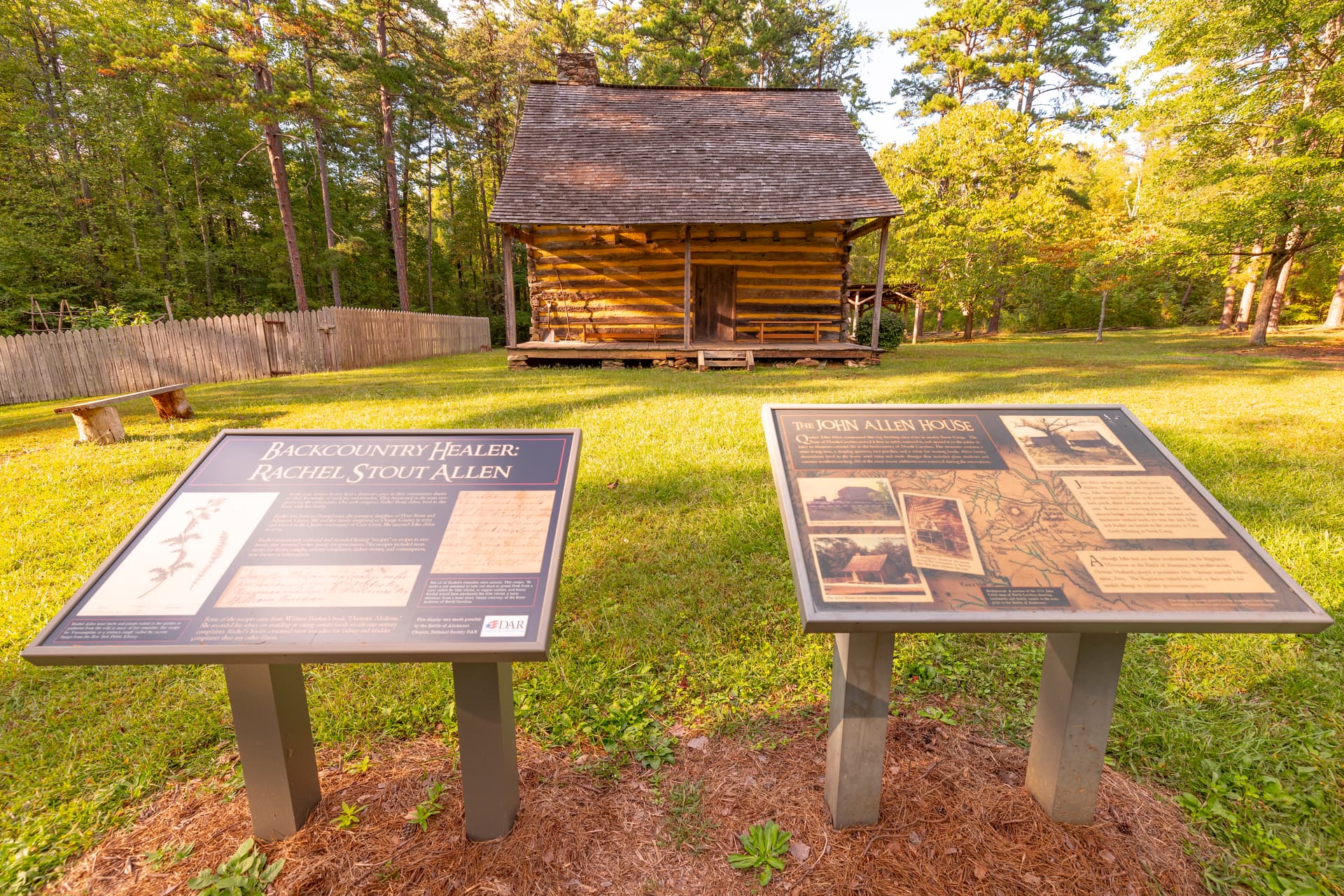
Alamance Battleground State Historic Site keeps the conflict in plain view for anyone driving north of Burlington, where the landscape still helps visitors picture the North Carolina backcountry before Alamance County existed in its current form. North Carolina Historic Sites ties the grounds directly to the battle, and the site’s Allen House, a log dwelling typical of the period, gives the setting a second layer of daily-life history beyond the battlefield itself.
That mix matters because Alamance is not remembered only as a place where troops met. It is also a local marker of what the county says about itself: who challenged power, who wrote the record, and how that story is retold in public places. In a county where heritage tourism and local identity remain closely linked, the battleground has become a place where residents encounter the earliest version of Alamance’s public image.
What the Regulators were fighting over
The Regulator Movement in North Carolina is commonly dated from 1766 to 1771, and the grievances behind it still sound familiar. Piedmont farmers believed they were being overtaxed and were paying excessive fees to sheriffs and court officials, a system that fed resentment over corruption and the lack of accountability from local power holders.
North Carolina History describes the unrest as building over decades, not erupting out of nowhere. That helps explain why Alamance is often read less as a single battlefield and more as a referendum on local government in the colonial backcountry. The Regulators were not fighting for a modern state or a new country; they were protesting the way authority worked on the ground, in the counties and courtrooms where ordinary people felt squeezed.
What happened on May 16, 1771
The battle itself lasted about two hours, but its aftermath carried far longer than that. Governor William Tryon reported nine militia deaths and 61 wounded, while Regulator casualties remain disputed and may have been much higher, with some accounts putting them at up to three times the militia toll.
After Tryon’s victory, six Regulators were hanged for treason, turning the clash into a warning as well as a defeat. That severity is one reason the battle still stands out in North Carolina history. American Battlefield Trust says Alamance is often incorrectly labeled the “opening salvo of the American Revolution,” when in fact it was the final battle of the Regulator Movement in the backcountry of North Carolina.
That distinction matters for how the site is understood today. Calling it the start of the Revolution folds Alamance into a larger national story, but the battle also belongs to a more local and immediate one, the struggle over fees, taxes, and governance in colonial Piedmont North Carolina. The more precise reading does not shrink the battle; it clarifies what made it volatile in the first place.
How the site is interpreted today
The state presentation of Alamance Battleground keeps the site active rather than frozen. North Carolina Historic Sites and the North Carolina Department of Natural & Cultural Resources frame it as a place where visitors can still see the ground of the 1771 clash and the Allen House, while Alamance Battleground Friends, Inc. promotes it with the line “Experience History like a Local.” That combination of state stewardship and local promotion helps explain why the battleground remains part of Alamance County’s public identity instead of disappearing into a textbook footnote.
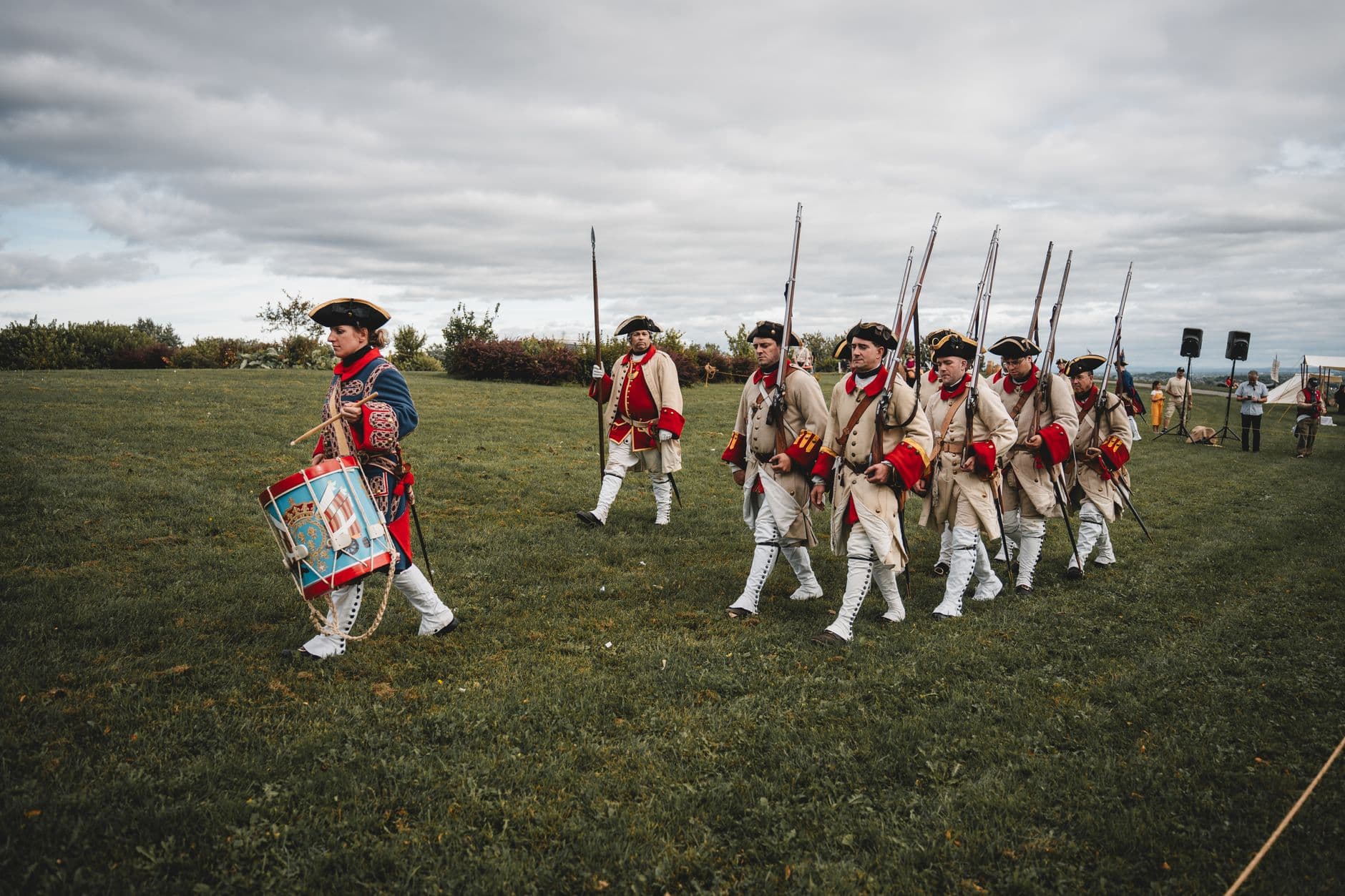
Modern commemoration has also kept the debate alive. The North Carolina SAR has hosted a Patriots’ Day Celebration and 254th Commemoration at the battleground, and WFDD covered a 2025 anniversary commemoration at the site. Those events show that the battle is still being claimed, interpreted, and re-placed in public memory, not just preserved behind a sign.
For residents, that means the battleground is not simply a roadside relic. It is one of the clearest places in the county where school-age learning, heritage tourism, and civic storytelling meet, and where the question of who gets to define Alamance’s beginning remains visible.
What visitors can expect
The battleground can be visited during the daytime, and the battlefield itself is open even when the visitor center is not, though parking is only available when the visitor center is open. That makes timing matter, especially for anyone planning a quick stop from Burlington or a longer day trip through central North Carolina.
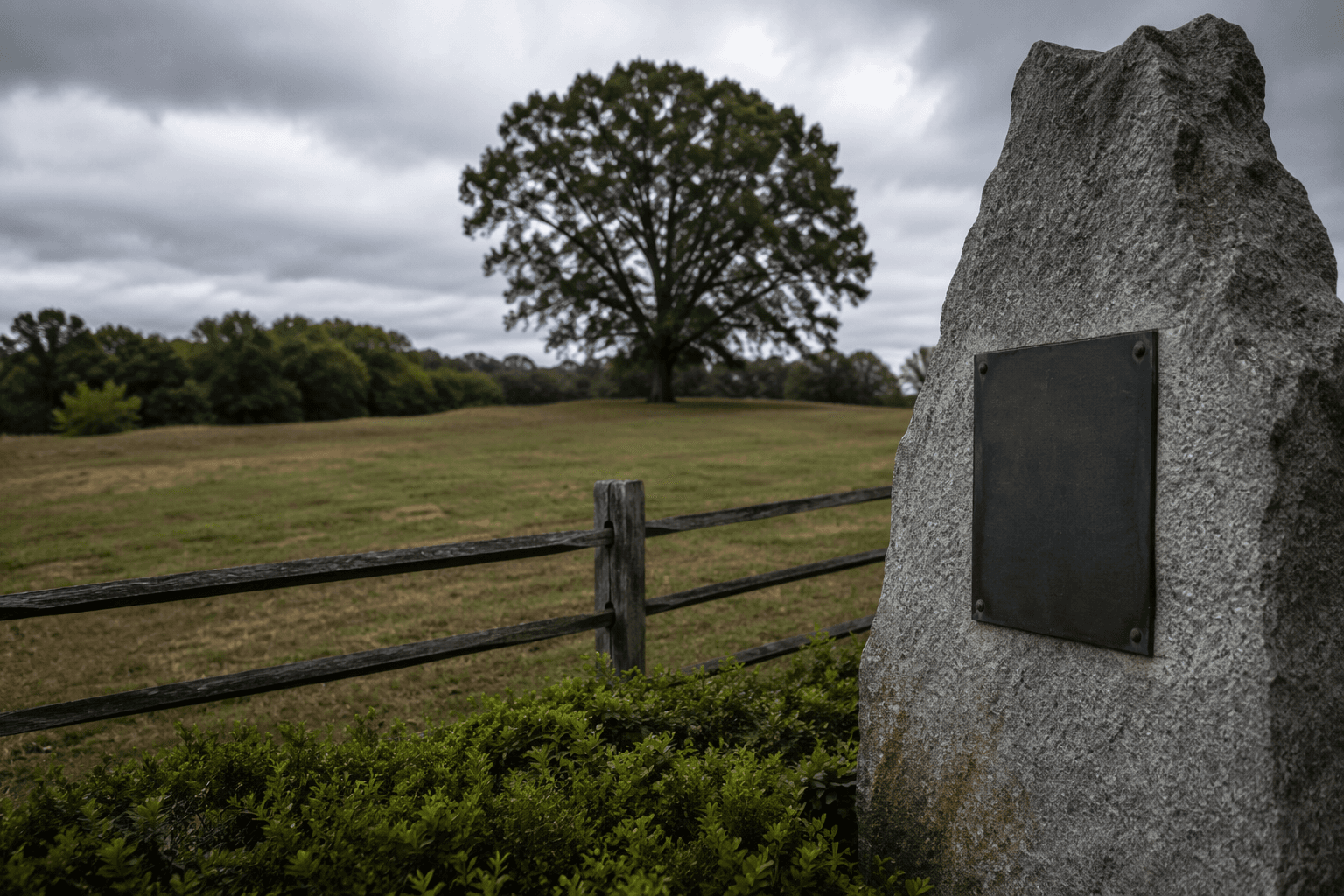
Visitors who walk the site will find a preserved historic setting rather than a reconstructed theme park. The commemorative markers, open landscape, and Allen House work together to make the 1771 conflict easier to picture, especially for people trying to connect the political grievances of the Regulator Movement with the ground where those grievances turned violent. For Alamance County, that physical setting is part of the county’s oldest public story, and it is still being told in the place where it began.
This article was produced by Prism’s automated news system from verified source data, official records, and press releases, then run through automated quality and moderation checks before publishing. The system is built and supervised by the people who set the standards it runs under. Read our full AI policy.
Did this article answer your question?