Alamance County beekeeper says drought cuts honey harvest in half
Alamance beekeeper Nicolas Halchin said drought cut his honey crop by up to 75%, forcing price hikes and a move to the mountains to keep hives productive.

Alamance County beekeeper Nicolas Halchin’s more than 250 hives are producing record-low honey this summer at Halchin Hives, cutting into both crop and income. The bees are still healthy and working, but the flowers they rely on have dried up or bloomed too early to produce the nectar his operation needs.
A normal hive can fill several boxes and yield 60 to 100 pounds of honey. This season, many hives have not even filled to the outside of the box. Halchin estimates production is down roughly 50% to 75% from a typical year.
The dry spell has changed the timing and quality of the bloom. Trees bloomed earlier than usual and did not produce as much nectar, leaving the bees active but unable to build the kind of honey stores he usually harvests. To offset the loss, he has raised prices and stopped selling honey in bulk. He has also moved some hives to the mountains of North Carolina, where rain has left more nectar available.
Drought covers all of Alamance County. Drought.gov places 100% of the county’s population in drought, and the county had its 18th driest May on record and its second driest year-to-date period over the past 132 years. From January through May 2026, rainfall was 8.47 inches below normal. Drought is one of the most common and costly weather-related challenges facing North Carolina agriculture. April is the heart of beekeeping in the state.
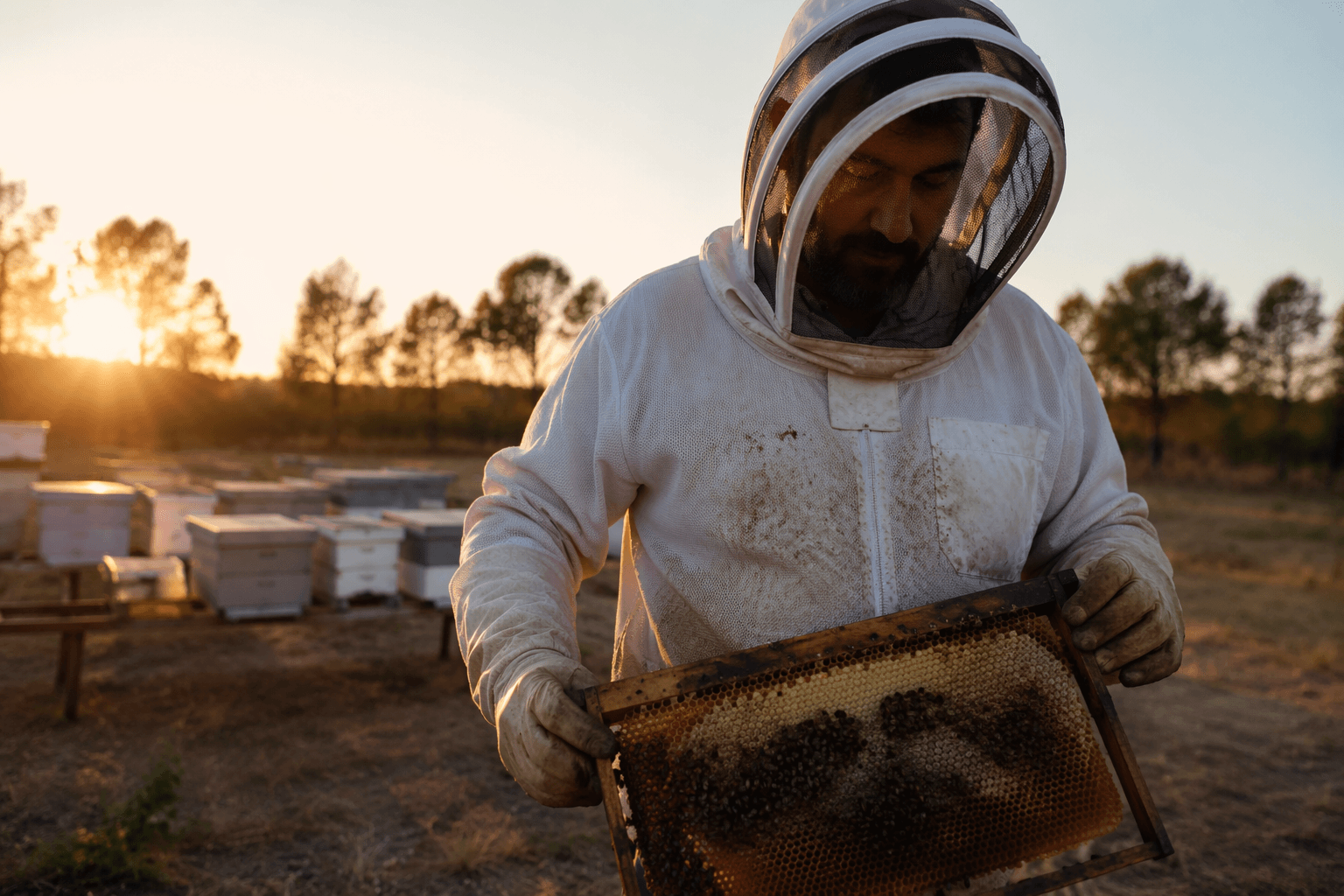
USDA National Agricultural Statistics Service data show U.S. honey production in 2025 fell to 116 million pounds, down 14% from 2024, while average yield per colony dropped to 48.0 pounds. Beekeepers across North Carolina are seeing fewer wildflowers and native plants, leaving bees with less nectar to collect.
The U.S. Department of Agriculture’s Farm Service Agency offers its Emergency Assistance for Livestock, Honey Bees and Farm-Raised Fish Program for certain weather-related losses not covered elsewhere.
This article was produced by Prism’s automated news system from verified source data, official records, and press releases, then run through automated quality and moderation checks before publishing. The system is built and supervised by the people who set the standards it runs under. Read our full AI policy.
Did this article answer your question?