Alamance County confirms third rabies case of 2026 in Snow Camp fox
A fox near Holman Mill Road tested positive for rabies, putting Snow Camp on alert as county officials urge pet checks, wound care and fast reporting.

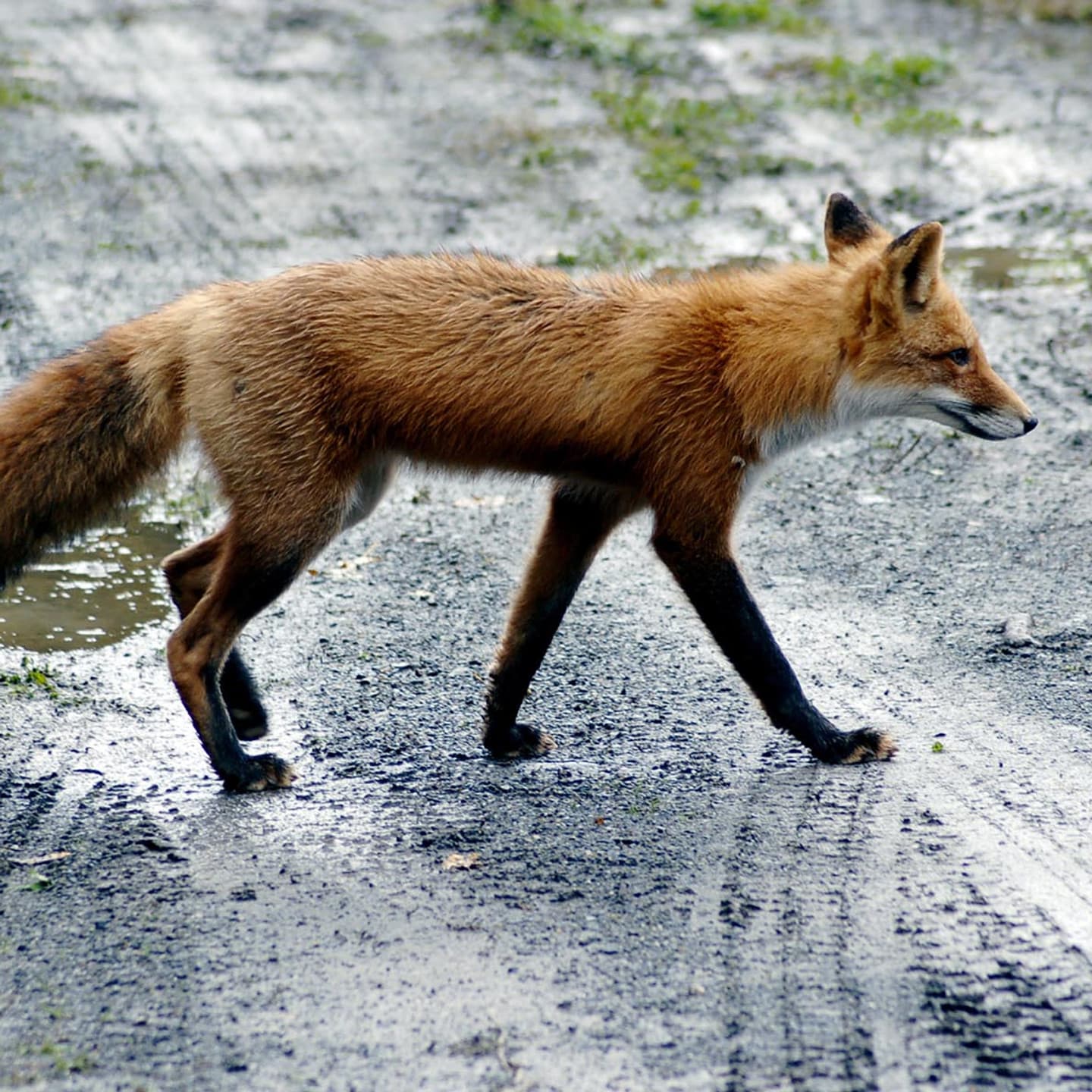
A fox in the Snow Camp area tested positive for rabies, and Alamance County health officials said one person was exposed and had already started post-exposure treatment. The case, confirmed June 10 by the North Carolina State Laboratory of Public Health, is the county’s third rabies case of 2026 and extends a pattern that has already reached Burlington twice this year.
The exposure happened in the late afternoon near Holman Mill Road and E. Greensboro Chapel Hill Road, where the Alamance County Sheriff’s Office was notified of the fox contact. Health officials urged residents with outdoor pets in that area to check animals for bite wounds and watch them closely, especially in neighborhoods near the exposure site.

County guidance says anyone bitten or scratched by an animal should wash the wound thoroughly with soap and running water for 10 minutes and get medical care immediately. If the animal is a pet, residents are told to note the owner’s name and address and share that information with animal control or the health department. Officials also warned people not to try to capture wild or stray animals on their own.
The Snow Camp case follows two earlier 2026 rabies confirmations in Alamance County: a cat in Burlington on April 30 and a raccoon in Burlington on June 5. In 2025, the county had at least four rabies cases by early September, including a fox exposure in Burlington and a raccoon exposure in Graham, underscoring that the county has faced repeated animal-to-animal and animal-to-human exposure risks across different parts of the county.
Those incidents have also shown how quickly exposure can spread beyond the original animal. In the August 2025 raccoon case, a donkey received a rabies booster and four other donkeys in the same pen were treated as a precaution. State and county officials have said that is why pet vaccination matters: North Carolina law requires dogs, cats and ferrets to be vaccinated against rabies starting at four months of age, with a second shot no more than a year later and boosters every three years.

The state also says wild carnivores are likely to carry rabies in virtually every county in North Carolina, which helps explain why foxes and raccoons remain recurring hazards in Alamance County. Rabies is fatal once symptoms appear, but prompt treatment after an exposure is why human deaths in the United States remain rare.
This article was produced by Prism’s automated news system from verified source data, official records, and press releases, then run through automated quality and moderation checks before publishing. The system is built and supervised by the people who set the standards it runs under. Read our full AI policy.
Did this article answer your question?