Alamance County farmers warn drought could hurt future crops and yields
Dry fields are squeezing Alamance County farms now, and growers fear the damage will linger into next season. Vaughn Willoughby says rising fuel and input costs make the drought even harder to absorb.
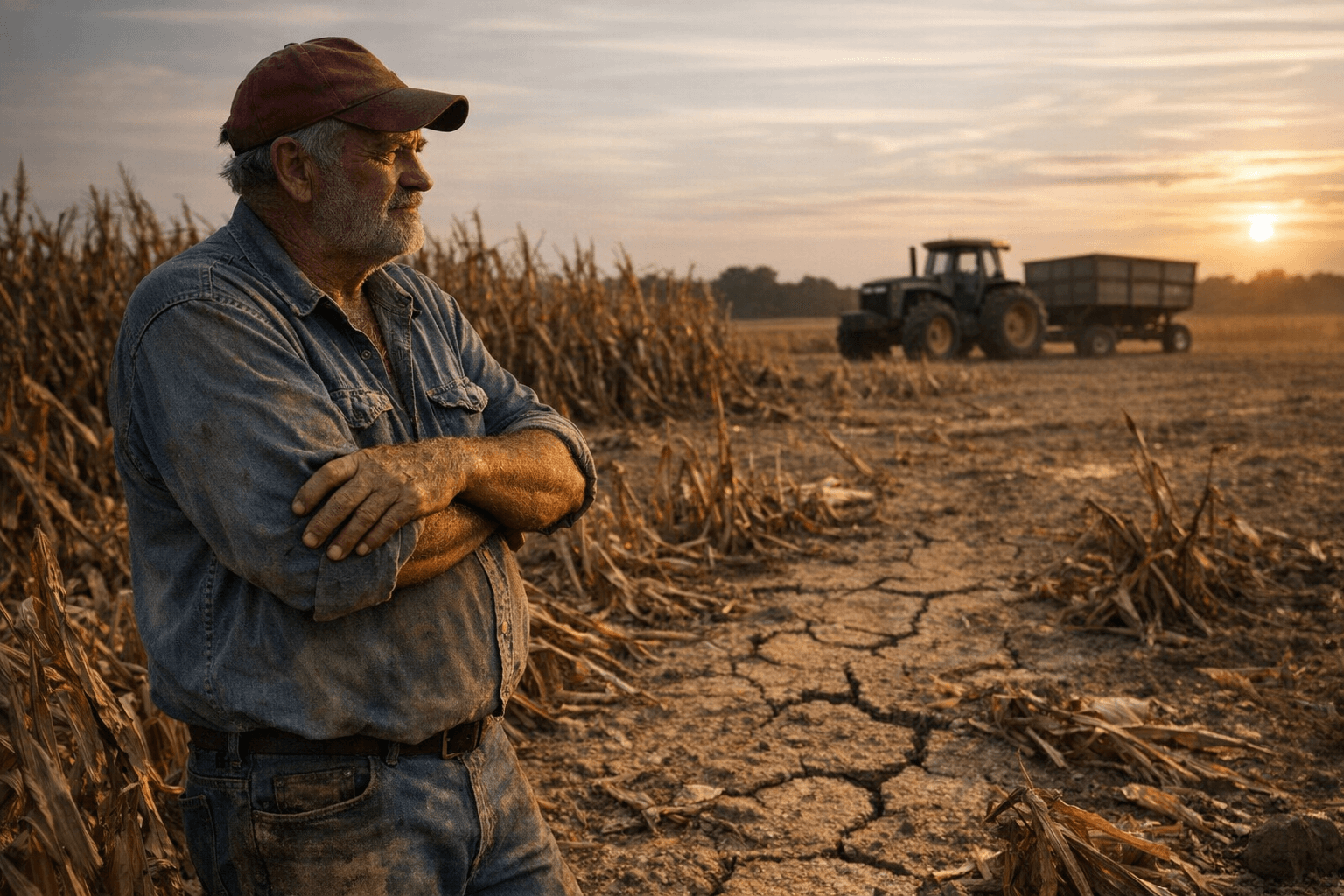
Drought is beginning to bite where Alamance County families will notice it fastest: fewer local crops, tighter farm income, and more pressure on prices at farm stands and grocery stores if yields keep sliding. Vaughn Willoughby, owner of Pritchett Farm Nurseries and president of the Alamance County Farm Bureau, said the dry weather is landing on top of already narrow margins. “Weather like this on top of rising fuel and input costs is not good for agriculture,” he said.
The concern goes beyond one bad season. North Carolina’s drought conditions have been worsening quickly, and by April 23 the North Carolina State Climate Office said Extreme Drought was expanding rapidly across the state. A statewide update on April 21, based on the weekly U.S. Drought Monitor, showed the drought had spread far enough to force officials to keep adjusting the state advisory. By April 22, drought-related disaster designations covered 82 North Carolina counties, opening the door to emergency loans and other aid for farmers.
The Southeast is already deep into a water shortage that has made planting and pasture management harder. Drought.gov reported on April 16 that much of the region had seen precipitation deficits of 8 to 16 inches over the previous nine months, with North Carolina, Georgia and South Carolina posting record dry conditions from September 2025 through March 2026. Low soil moisture has made planting and germination difficult or impossible without irrigation, and poor pasture conditions have forced producers to feed hay to cattle.
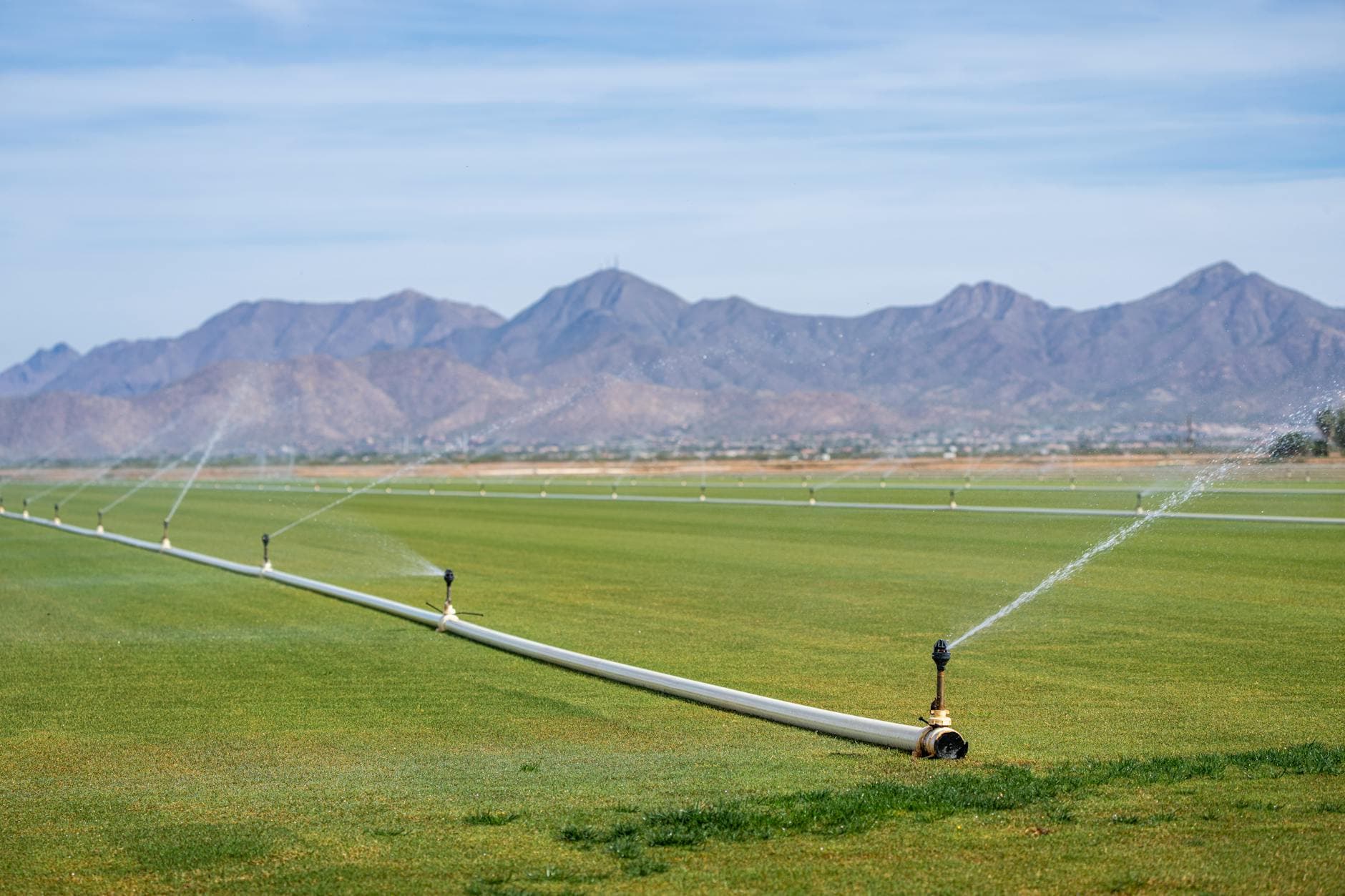
That is especially worrisome in Alamance County, where irrigation is limited. The 2022 Census of Agriculture shows 25,766 acres of land in farms, including 17,958 acres of pastureland and 19,490 acres of woodland, but only 308 irrigated acres. The county also depends heavily on animal agriculture: 75% of farm sales came from livestock, poultry and products, compared with 25% from crops. That means drought pressure can hit row crops and livestock operations at the same time.
For local growers, the fear is not just one dry spell but repeated stress that could weaken planting schedules, reduce yields and make future seasons more expensive. In a county where farmland is already limited and irrigation is scarce, prolonged drought could reshape what local farmers can produce and how much they can earn.
This article was produced by Prism’s automated news system from verified source data, official records, and press releases, then run through automated quality and moderation checks before publishing. The system is built and supervised by the people who set the standards it runs under. Read our full AI policy.
Did this article answer your question?