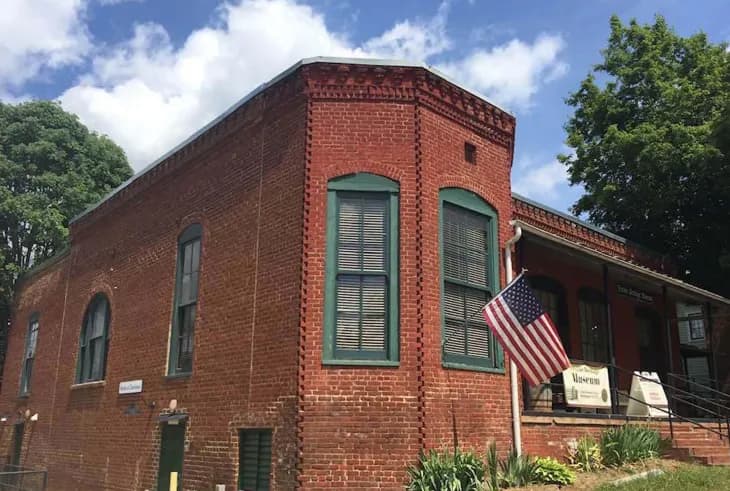
Alamance County woman loses $120,000 in farmhouse renovation scam
An Alamance County homeowner says careful vetting still ended with a $120,000 loss on a 1910 farmhouse renovation. A Guilford County judge later ordered $37,000 in restitution.
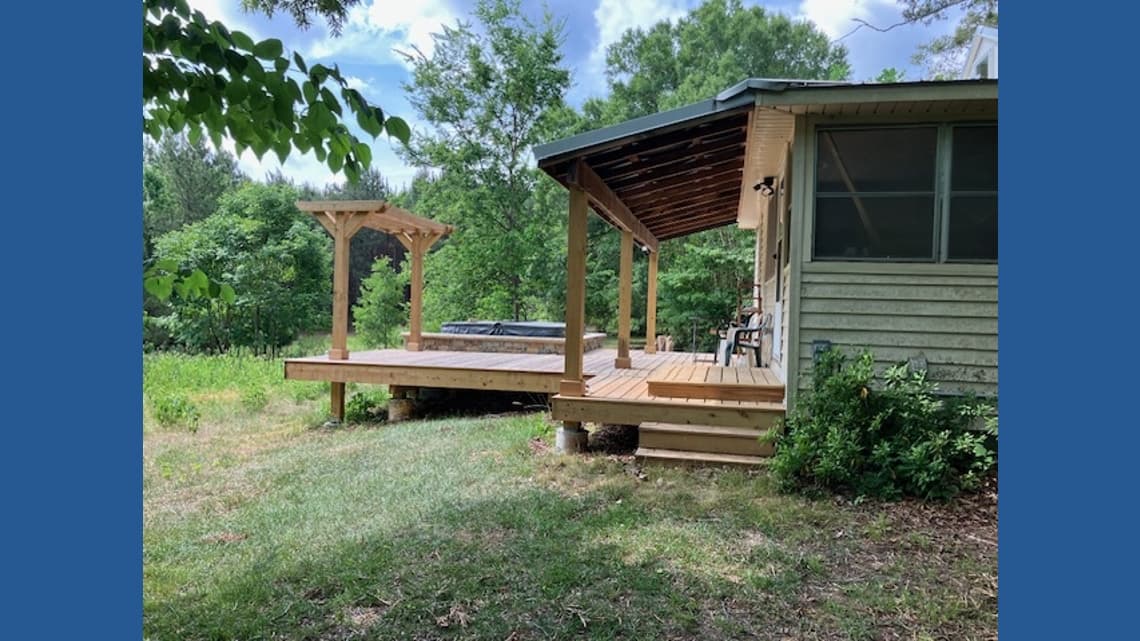
An Alamance County woman lost about $120,000 after hiring Danny Lynch to restore her 1910 farmhouse, even though she says she carefully vetted him before signing on. The case ended with a Guilford County judge finding Lynch guilty, ordering him to pay about $37,000 in restitution, and sending him to jail for failing to do the work after being paid.
That gap matters. The homeowner’s reported loss was more than three times the restitution order, a reminder that even a criminal conviction and court-ordered repayment may leave a victim far short of whole when a renovation collapses.
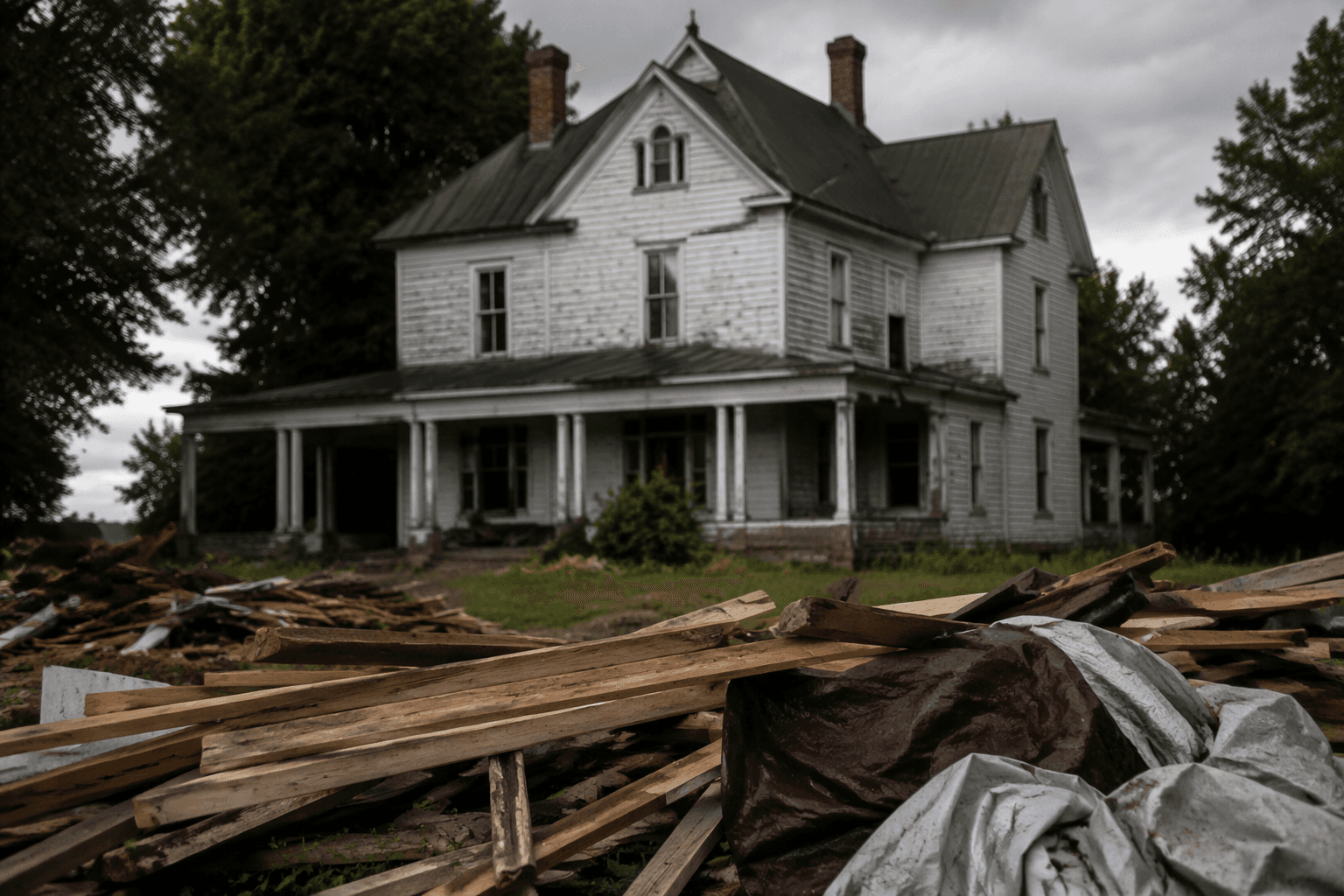
The farmhouse itself added to the risk. Restoring a 1910 home often means dealing with aging materials, hidden damage and work that can become expensive fast if a contractor mismanages the job or simply does not finish. In this case, the homeowner said she did her homework before hiring Lynch, which makes the loss more stark: the problem was not a casual decision made in haste, but a project that went bad after what she believed was proper vetting.
For Alamance County homeowners, the case is a warning to check more than a business card and a portfolio. The North Carolina Licensing Board for General Contractors maintains consent injunctions and board-file summaries involving unlicensed contractors and alleged violations of state contracting laws, making license status one of the first things to verify before money changes hands. A name that looks credible is not enough if the contractor cannot be matched to an active license, a clean disciplinary history and a written scope of work.
The case also shows how dangerous large upfront payments can be on older-home projects. Once money is paid and work stalls, homeowners can be forced into a long fight over restitution, civil claims and whether any of the loss can actually be recovered. Even after Lynch’s guilty finding and restitution order, the homeowner still faced a substantial financial hit.
That is why renovation contracts in Alamance County should be treated like major financial documents, not handshake deals. Verify the contractor’s license, confirm who is responsible for permits and inspections, and make sure payment is tied to completed milestones rather than promises. In a project involving a historic farmhouse, those checks can be the difference between a finished restoration and a six-figure loss.
This article was produced by Prism’s automated news system from verified source data, official records, and press releases, then run through automated quality and moderation checks before publishing. The system is built and supervised by the people who set the standards it runs under. Read our full AI policy.
Did this article answer your question?